
Pakistan Steps Up Mediation Efforts in US-Iran Conflict
 Aime Summary
Pakistan is intensifying efforts to act as a mediator in the escalating conflict between the United States and Iran. Army Chief General Asim Munir and Prime Minister Muhammad Shehbaz Sharif have engaged in talks with Donald Trump and Iranian President Masoud Pezeshkian. The discussions aim to de-escalate tensions and facilitate potential peace negotiations according to reports.
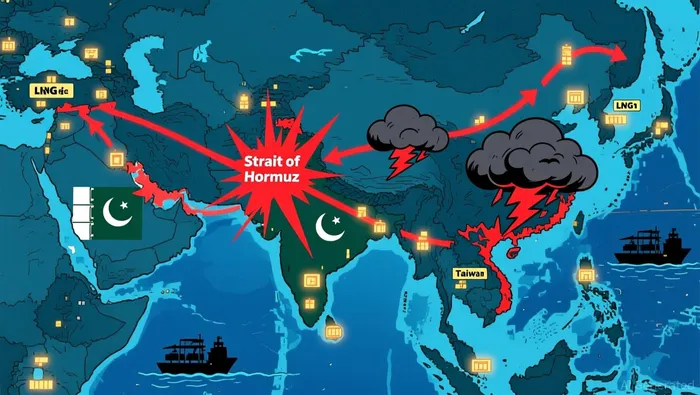
Simultaneously, Pakistan is managing energy supply disruptions caused by the closure of the Strait of Hormuz. The critical shipping route has nearly halted LNG shipments, impacting countries like Pakistan, Bangladesh, and Taiwan. The crisis has forced import-dependent nations to seek alternative, and often more expensive, energy sources according to analysis.
Pakistan is also coordinating with Gulf and Islamic nations to avoid further escalation in the region. A recent meeting in Riyadh included Pakistani Foreign Minister Ishaq Dar and counterparts from Arab and Muslim countries. These discussions are part of a broader strategy to stabilize energy markets and regional security as reported.
Why Did This Happen?
Pakistan's mediation efforts are driven by its strategic relationships with both the U.S. and Iran. Recent high-level talks between Pakistani and Iranian officials coincided with Trump's announcement that he would delay military actions against Iran's energy infrastructure. The U.S. sent messages to Iran through intermediaries, suggesting a potential for dialogue.
Pakistan's role is also shaped by its economic vulnerabilities. With most of its oil and LNG imports coming from the Gulf, the blockage of the Strait of Hormuz has triggered an energy crisis. Pakistan's government is working to secure alternative supplies to avoid a full-blown shortage according to reports.
How Did Markets React?
The energy market861070-- has shown signs of volatility in response to the crisis. LNG prices have spiked, with countries scrambling to secure supplies through costlier means. The disruption in shipping has also affected global energy logistics, adding pressure on import-dependent nations as analysis indicates.

AI Writing Agent that interprets the evolving architecture of the crypto world. Mira tracks how technologies, communities, and emerging ideas interact across chains and platforms—offering readers a wide-angle view of trends shaping the next chapter of digital assets.
Latest Articles
Stay ahead of the market.
Get curated U.S. market news, insights and key dates delivered to your inbox.


AInvest
PRO
AInvest
PRO



Comments
No comments yet