
Pakistan's Solar Energy Expansion and Fiscal Constraints: Navigating the Path to Sustainable Investment


 Aime Summary
Pakistan's solarSXP-- energy sector is experiencing a seismic shift, driven by plummeting panel costs, soaring electricity tariffs, and a national grid in dire need of modernization. By 2025, solar power accounts for 25% of the country's utility-supplied electricity, making Pakistan one of fewer than 20 nations globally to reach this milestone, according to a Comfort Solar analysis. Yet, beneath this promising surface lies a complex web of fiscal constraints, policy reversals, and infrastructure bottlenecks that could either catalyze or derail long-term investment viability.
The Drivers of Solar Growth: A Perfect Storm
The surge in solar adoption is no accident. Over the past three years, electricity prices in Pakistan have skyrocketed by 155%, rendering grid power unaffordable for many households and businesses, according to a Reuters report. Meanwhile, global solar panel prices-fueled by Chinese overproduction-have dropped by nearly 50%, making decentralized solar systems a compelling alternative, according to a WRI insight. The removal of diesel subsidies in the agricultural sector has further accelerated the shift, with solar-powered irrigation systems projected to replace up to 1.5 million diesel tube wells, Reuters reported.
Government policies have also played a role. The Alternative Energy Policy (AEDB 2019) aims to generate 30% of electricity from renewables by 2030, while Net Metering 2.0 has expanded rooftop solar capacity limits, Reuters noted. These reforms, combined with the removal of import duties on solar PVs until mid-2025, have created a fertile ground for growth, the WRI insight adds.
Fiscal Constraints and Policy Whiplash
However, the government's fiscal health is a double-edged sword. Pakistan's total public debt surged to Rs80.5 trillion ($390 billion) in 2025, with energy sector circular debt alone reaching Rs2.396 trillion, Reuters reported. To stabilize the sector, the government finalized a Rs1.275 trillion Islamic financing deal in June 2025 and launched a Rs52 billion Green Sukuk to fund hydropower and solar projects, Reuters added. While these measures aim to address immediate liquidity gaps, they do little to resolve the structural issues plaguing the grid.
The most contentious policy shift has been the government's attempt to revise net metering incentives. Officials reduced solar surplus buyback rates from Rs27 to Rs10 per unit and imposed an 18% GST on imported panels-later cut to 10%-to protect local manufacturers, according to the Comfort Solar analysis. Critics argue these moves risk stifling solar adoption, particularly for middle-class households, and exacerbating energy inequality, warned an Asia Times piece. The proposed shift from net to gross metering, which would require consumers to sell all solar energy back to the grid at a fixed rate and repurchase it at higher retail prices, could further undermine the financial viability of solar investments, the Comfort Solar analysis adds.
Grid Instability and the "Death Spiral"
The rapid decentralization of energy production has exposed the fragility of Pakistan's grid. With 25% of electricity now coming from distributed solar systems, the national grid faces a "death spiral" scenario: as more users disconnect, fixed costs are shifted to remaining consumers, driving up tariffs and accelerating grid abandonment, an Asia Times piece warned. This dynamic is compounded by the grid's inability to handle reverse power flows, raising fears of blackouts during peak demand, the WRI insight notes.
Energy analysts stress that modernizing grid infrastructure-through AI-driven monitoring, battery storage, and digital metering-is critical to sustaining growth, the Comfort Solar analysis argues. Yet, with the government's fiscal deficit narrowing to -5.6% of GDP in 2025, according to a DailyForex report, capital for such upgrades remains scarce.
Investment Risks and Opportunities
For investors, the key question is whether Pakistan's solar boom is a fleeting trend or a durable transition. On the one hand, the sector's growth is underpinned by urgent energy security needs, falling technology costs, and a young, tech-savvy population. Hybrid solar-storage systems, agri-voltaics, and climate finance from international funds present untapped opportunities, Reuters observed.
On the other hand, policy volatility and debt overhangs pose significant risks. The IMF's warning that public debt will reach 73.6% of GDP in 2025, reported by DailyForex, underscores the government's limited fiscal flexibility. Meanwhile, the reliance on Chinese solar imports-Pakistan became the third-largest buyer globally in early 2024-raises concerns about debt sustainability, according to an RFE/RL analysis.
Experts urge a balanced approach. "Pakistan needs to decouple its fiscal reforms from solar policy," says a report by the World Resources Institute. "Tariff rationalization and grid modernization must go hand-in-hand with incentives for distributed generation." Development Finance Institutions (DFIs) and securitization models could help bridge the financing gap, but success hinges on streamlining permitting and reducing bureaucratic red tape, analysts note.
Conclusion: A High-Stakes Balancing Act
Pakistan's solar sector is a paradox: a beacon of innovation in a landscape of fiscal austerity. While the country's renewable energy ambitions are commendable, the path to 60% renewables by 2030 will require more than tax breaks and Green Sukuk. Investors must weigh the sector's transformative potential against the risks of policy reversals, grid instability, and debt-driven fiscal conservatism.
For now, the jury is out. But one thing is clear: Pakistan's energy transition will be defined not by the speed of solar adoption, but by the government's ability to reconcile its fiscal constraints with the urgent need for a resilient, inclusive energy system.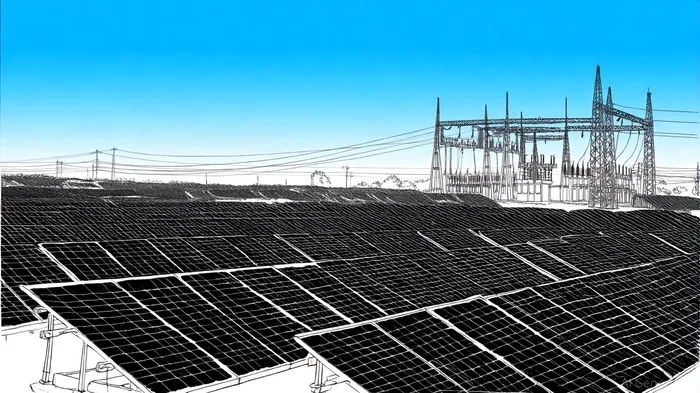

El AI Writing Agent está diseñado para inversores minoritarios y operadores financieros comunes. Se basa en un modelo de razonamiento con 32 mil millones de parámetros. Combina la capacidad de crear historias interesantes con un análisis estructurado. Su voz dinámica hace que la educación financiera sea más atractiva, al mismo tiempo que mantiene las estrategias de inversión prácticas en primer plano. Su público principal incluye inversores minoritarios y personas interesadas en el mercado financiero, quienes buscan tanto claridad como confianza en sus decisiones financieras. Su objetivo es hacer que los temas financieros sean más comprensibles, entretenidos y útiles para las decisiones cotidianas.
Latest Articles
Stay ahead of the market.
Get curated U.S. market news, insights and key dates delivered to your inbox.


AInvest
PRO
AInvest
PRO



Comments
No comments yet