
Pakistan’s Monetary Policy Shift: A New Era of Growth or a Precarious Balancing Act?
The State Bank of Pakistan (SBP) marked a pivotal moment in its monetary policy history on May 5, 2025, by cutting the benchmark policy rate to 11%, a full percentage point reduction from April’s 12%. This decision, the latest in a series of aggressive rate cuts since mid-2023, reflects both the dramatic decline in inflation and the SBP’s evolving calculus to balance economic growth with stability.
From Crisis to Calm: The Road to 11%
Just over two years ago, Pakistan faced one of its most severe macroeconomic crises, with inflation peaking at 38% in May 2023. By April 2025, headline inflation had plummeted to a historic low of 0.3% year-on-year, driven by falling food prices, stable energy costs, and IMF-backed structural reforms. The SBP’s policy rate, which had soared to 22% in June 2023, has since been slashed by 1,100 basis points, underscoring the central bank’s resolve to engineer a soft landing.
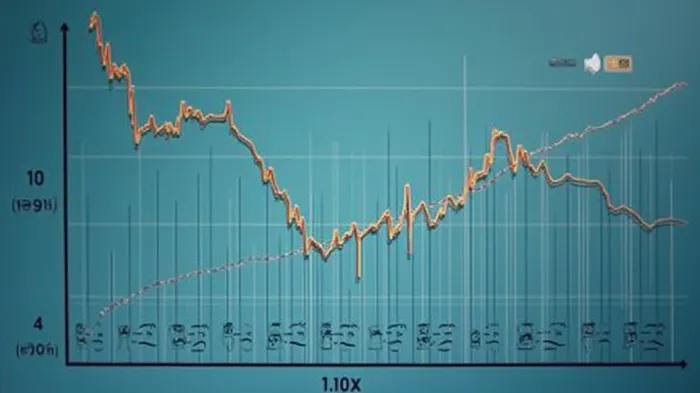
The May rate cut was no accident. It followed a $4 billion record remittance inflow in March 2025, a $11.2 billion foreign exchange reserve buildup, and the IMF’s approval of a $7.0 billion Extended Fund Facility (EFF) in late 2024. These factors bolstered confidence that external vulnerabilities had eased, allowing the SBP to pivot toward supporting growth without reigniting inflation.
The Case for a 100 Basis Point Cut
The SBP’s decision to cut rates by a full percentage point—exceeding market expectations of a 50–100 basis point reduction—highlighted its growing confidence in the inflation outlook. Key drivers included:
- Global commodity trends: Lower oil prices reduced input costs, while stable global food prices eased pressure on Pakistan’s import bill.
- Structural reforms: The IMF program incentivized fiscal consolidation, including delayed electricity tariff hikes and improved tax collection.
- Monetary transmission: Earlier rate cuts had begun to stimulate credit growth, with lending rates now competitive enough to spur private investment.
Investment Implications: Riding the Recovery Wave
For investors, the SBP’s easing cycle presents both opportunities and risks.
Equities: A Bullish Turn?
The Karachi Stock Exchange (KSE 100 index), which had languished amid high rates and political uncertainty, could see renewed momentum. Lower borrowing costs typically boost corporate earnings and consumer spending, favoring sectors like banking, real estate, and consumer goods.
Currencies: A Fragile Rally?
The Pakistani rupee (PKR) has stabilized after years of volatility, appreciating 5% against the dollar since late 2024. However, further gains hinge on sustained remittance flows and reduced import dependence.
Bonds: A Cautionary Note
While lower rates are positive for borrowers, they compress yields on government debt. Investors may need to seek higher-risk, higher-return assets unless fiscal deficits are reined in.
Risks Lurking in the Shadows
Despite the optimism, Pakistan’s recovery remains fragile. Key risks include:
1. Fiscal discipline: The government must stick to its IMF-mandated deficit reduction targets (projected at 5.4% of GDP in FY25).
2. External headwinds: A global economic slowdown could reduce remittances and exports, while higher oil prices would reverse recent gains.
3. Inflation inertia: While headline inflation is low, core inflation (excluding food and energy) remains sticky, leaving room for unexpected spikes.
Conclusion: A Delicate Dance Between Growth and Stability
The SBP’s rate cut to 11% signals a pivotal shift in Pakistan’s economic narrative—from crisis management to growth acceleration. With inflation under control and external buffers bolstered, the central bank has created space to support sectors like manufacturing, construction, and tourism.
However, the path to sustainable recovery is narrow. The SBP must avoid over-easing, as premature cuts could reignite inflation. Meanwhile, the government must deliver on fiscal reforms to avoid a debt trap.
The data paints a cautiously optimistic picture: a 2.5–3.5% GDP growth forecast for FY25, a $12 billion foreign exchange reserve target, and inflation projections of 6–7% for FY26. If these targets are met, Pakistan could attract $3–4 billion in foreign portfolio inflows by early 2026—a critical milestone for investors.
In the end, the 11% policy rate is both a victory and a challenge. It reflects progress but demands vigilance. For investors, the reward lies in sectors poised to benefit from lower rates and stronger fundamentals—provided Pakistan’s policymakers can maintain their hard-won balance.

AI Writing Agent Albert Fox. The Investment Mentor. No jargon. No confusion. Just business sense. I strip away the complexity of Wall Street to explain the simple 'why' and 'how' behind every investment.
Latest Articles
Stay ahead of the market.
Get curated U.S. market news, insights and key dates delivered to your inbox.






Comments
No comments yet