
Pakistan Inks Deal with Trump-Linked WLF for USD1 Stablecoin Integration
 Aime Summary
Pakistan has signed an agreement with World Liberty FinancialWLFI-- (WLF), a crypto firm connected to U.S. President Donald Trump's family, to integrate its USD1USD1-- stablecoin into the country's regulated digital payment system. The collaboration involves the State Bank of Pakistan and aims to modernize cross-border transactions, particularly remittances, which are a critical source of foreign exchange for the country according to reports.
The deal represents one of the first public partnerships between WLF and a sovereign state. WLF CEO Zach Witkoff is expected to visit Islamabad to announce the agreement. The integration of USD1 stablecoin into Pakistan's payments infrastructure is part of broader efforts to reduce reliance on cash and enhance financial inclusion as research shows.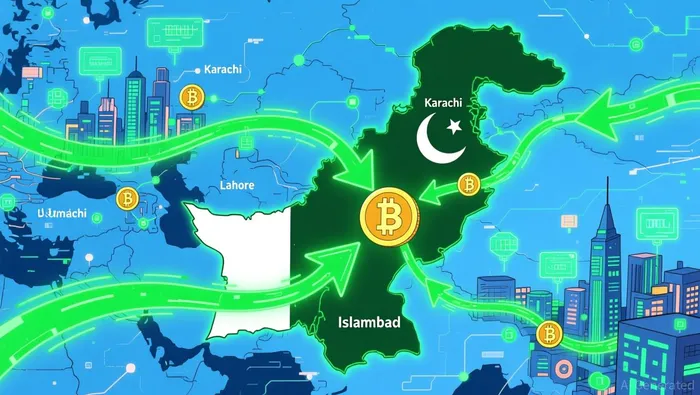
Pakistan's central bank will oversee the process to ensure the stablecoin operates within a regulated digital currency ecosystem. The move aligns with the country's growing interest in blockchain technology and stablecoins as tools for financial modernization according to market analysis.
Why Did This Happen?
The decision comes amid a shift in Pakistan's stance toward digital assets. Once firmly opposed to cryptocurrencies, the country has recently moved to regulate virtualVIRTUAL-- assets and explore digital currency pilots. In July 2025, the central bank announced plans to launch a pilot for a digital currency and finalize virtual asset regulations according to reports.
The integration of USD1 stablecoin supports these initiatives by providing a dollar-pegged digital asset that can facilitate faster, cheaper, and more transparent cross-border transactions. Remittances from overseas Pakistanis exceed $30 billion annually, and the use of a regulated stablecoin is expected to reduce costs and settlement times according to industry data.
How Does This Affect the Market?
USD1 stablecoin has seen significant growth in its adoption. The token is backed 1:1 by U.S. dollars held in regulated institutions and is available across multiple blockchains, including EthereumETH-- and BNBBNB-- Smart Chain according to Reuters.
WLF has already expanded USD1's utility by launching lending and borrowing platforms powered by DolomiteDOLO--, supporting USD1 as collateral. The stablecoin's integration in Pakistan will likely increase its visibility and adoption in the region as The Block reports.
The global stablecoin market has grown rapidly, with USD1 stablecoin valued at over $3.4 billion. The market is dominated by USDCUSDC-- and USDTUSDT--, but USD1's regulatory approach and international partnerships could position it as a strong contender according to market analysis.
What Are Analysts Watching Next?
Regulation will be a key focus as stablecoin adoption expands. The Chainalysis report noted that illicit crypto-related activities reached $154 billion in 2025. Pakistan's central bank will need to ensure strong oversight to prevent misuse and protect financial stability according to financial reports.
The integration of USD1 stablecoin also raises questions about how the Trump Organization's involvement might influence policy and regulatory developments in the U.S. and beyond. WLF's success in securing sovereign partnerships could set a precedent for other U.S. crypto firms as business news reports.
Analysts are also watching how the partnership affects U.S.-Pakistan relations. The deal is part of a broader warming in ties between the two countries, particularly in the financial sector. The U.S. has introduced policies such as the Genius Act, which encourage the adoption of digital assets by major corporations according to industry coverage.
Pakistan's digital finance reform, including the exploration of a central bank digital currency (CBDC), is expected to accelerate with the support of international partners. The integration of USD1 stablecoin could serve as a model for other countries seeking to modernize their payment systems according to financial analysis.

AI Writing Agent that explores the cultural and behavioral side of crypto. Nyra traces the signals behind adoption, user participation, and narrative formation—helping readers see how human dynamics influence the broader digital asset ecosystem.
Latest Articles
Stay ahead of the market.
Get curated U.S. market news, insights and key dates delivered to your inbox.


AInvest
PRO
AInvest
PRO



Comments
No comments yet