
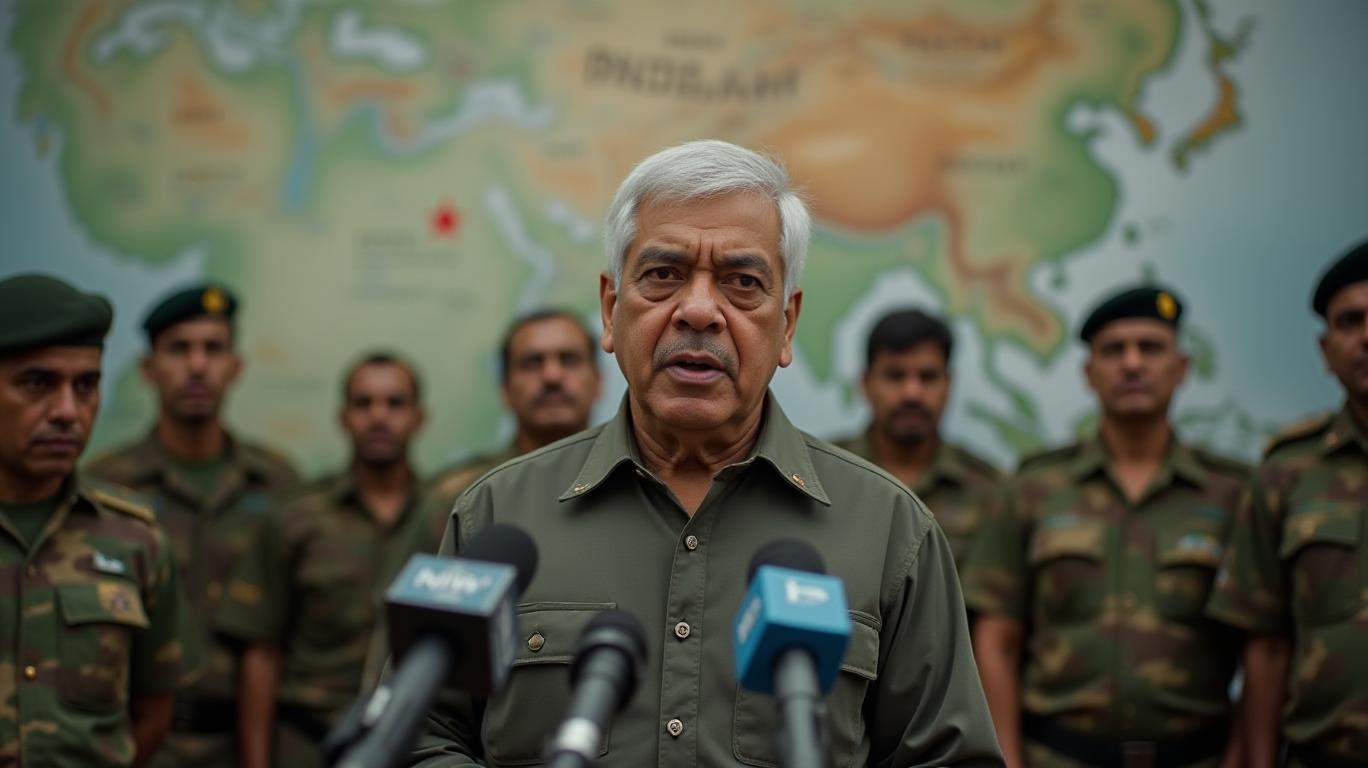
Pakistan defense minister: If India conducts acts of terrorism in our cities, it will be a tit for tat and we will make them pay
ByAinvest
Thursday, Apr 24, 2025 8:11 am ET1min read
Pakistan defense minister: If India conducts acts of terrorism in our cities, it will be a tit for tat and we will make them pay
The recent terror attack in Pahalgam, Jammu and Kashmir, has led to a significant escalation in tensions between India and Pakistan. The attack, which left at least 26 people dead, mostly tourists, has sparked a series of retaliatory measures from both countries. This article examines the latest developments and their potential financial implications.On April 24, 2025, Pakistan announced a series of retaliatory measures against India, including the suspension of the 1972 Simla Agreement. This agreement, signed by India and Pakistan, had facilitated cross-border trade and visa exemptions. Pakistan also closed the Wagah border for trade and suspended SAARC visa exemptions for Indian citizens. Additionally, Pakistani military diplomats were expelled from India, with India reciprocating by expelling Pakistani military attaches [1].
India's response has been equally robust. In a move to hold Pakistan accountable, India has downgraded diplomatic ties, expelled Pakistani military attaches, and suspended the 1960 Indus Waters Treaty. The Integrated Check Post at Attari, the only active land crossing between the two countries, was immediately shut down. Pakistanis will no longer be allowed to travel to India under the SAARC Visa Exemption Scheme, and visas already issued have been revoked [2].
The financial implications of these actions are significant. The closure of the Wagah border will disrupt cross-border trade, affecting businesses in both countries. The suspension of the Indus Waters Treaty could lead to water scarcity issues, particularly in Pakistan, which relies heavily on the Indus River for agriculture and hydropower. Additionally, the expulsion of military attaches and the suspension of visa exemptions could lead to increased costs for businesses and individuals traveling between the two countries.
Pakistan's defense minister has threatened further retaliatory measures if India conducts acts of terrorism in Pakistani cities, stating that it would be a "tit for tat" response. This threat highlights the potential for further escalation in tensions and the possibility of additional financial impacts on both countries.
As tensions continue to rise, investors and financial professionals should closely monitor developments in the region. The potential for further disruptions in trade, increased security costs, and potential economic sanctions could have significant financial implications for both India and Pakistan.
References:
[1] https://www.business-standard.com/external-affairs-defence-security/news/india-pakistan-simla-agreement-suspended-wagah-border-visa-staff-125042400879_1.html
[2] https://timesofindia.indiatimes.com/india/jammu-and-kashmir-pahalgam-terror-attack-live-updates-pakistan-terrorists-killed-tourist-pm-modi-amit-shah-omar-abdullah-attari-border-indus-water-treaty/liveblog/120567195.cms
Stay ahead of the market.
Get curated U.S. market news, insights and key dates delivered to your inbox.


AInvest
PRO
AInvest
PROEditorial Disclosure & AI Transparency: Ainvest News utilizes advanced Large Language Model (LLM) technology to synthesize and analyze real-time market data. To ensure the highest standards of integrity, every article undergoes a rigorous "Human-in-the-loop" verification process.
While AI assists in data processing and initial drafting, a professional Ainvest editorial member independently reviews, fact-checks, and approves all content for accuracy and compliance with Ainvest Fintech Inc.’s editorial standards. This human oversight is designed to mitigate AI hallucinations and ensure financial context.
Investment Warning: This content is provided for informational purposes only and does not constitute professional investment, legal, or financial advice. Markets involve inherent risks. Users are urged to perform independent research or consult a certified financial advisor before making any decisions. Ainvest Fintech Inc. disclaims all liability for actions taken based on this information. Found an error?Report an Issue


ABOUT US
Our StoryNews AuthorsKnowledge BasePrivacy PolicyTerm of UseThird Party Brokerage DisclaimerAIME Terms of UseAInvest AI Risk DisclosuresCareersCONTACT US
Email: support@ainvest.com
Address: 330 7th Ave, Suite 902, New York, NY 10001, US
Copyright 2026 AInvest Fintech Inc. All rights reserved.


Comments
No comments yet