
Pakistan says it carried out cross-border strikes in Afghanistan
Pakistan said it carried out cross-border strikes on militant targets inside Afghanistan after blaming a series of recent suicide bombings - including attacks during the holy month of Ramadan - on fighters it said were operating from Afghan territory.
Pakistan’s Cross-Border Strikes in Afghanistan Escalate Regional Tensions and Economic Uncertainty
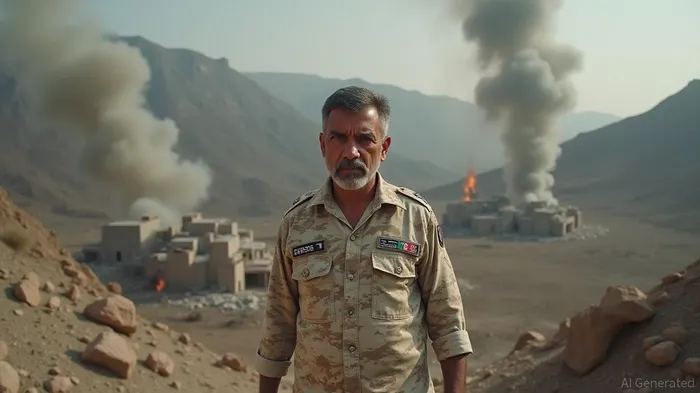
Pakistan announced cross-border airstrikes targeting militant camps in Afghanistan on February 21, 2026, citing evidence that recent suicide bombings—including attacks during Ramadan—were orchestrated by Afghan-based operatives of the Pakistani Taliban (TTP) and Islamic State Khorasan Province (ISKP). The strikes, described as "intelligence-based" by the Pakistani government, follow months of border clashes and a fragile ceasefire brokered in October 2025, which collapsed amid unresolved accusations of cross-border militant activity according to US News.
The escalation risks further destabilizing trade and economic ties between the two nations, which share a 2,600-km border. Key crossings have repeatedly shut due to tensions, disrupting the flow of goods and remittances critical to Afghanistan's economy and Pakistan's regional trade networks as reported by Reuters. Analysts note that prolonged instability could deter foreign investment in infrastructure projects, such as energy and transportation corridors, that both countries have sought to develop with Chinese and other international partners according to Atlantic Council experts.
Pakistan's military stated the strikes targeted seven "terrorist hideouts," while Kabul has consistently denied harboring militants, calling the allegations "provocative" according to US News. The Afghan Taliban's response remains unclear, but experts warn that retaliatory measures—such as increased support for TTP or border skirmishes—could deepen the cycle of violence as Atlantic Council analysis indicates.
Economic repercussions extend beyond bilateral relations. Pakistan's recent expulsions of Afghan refugees, part of a three-phase repatriation plan, have heightened humanitarian and fiscal pressures on Afghanistan, already reeling from a devastating earthquake in late 2025 according to Al Jazeera reporting. Meanwhile, Pakistan's military operations and diplomatic efforts, including Saudi-mediated talks, reflect a dual strategy of coercion and engagement to pressure Kabul as experts from the Atlantic Council note.
For investors, the conflict underscores regional volatility, with risks to supply chains, energy projects, and cross-border trade. While full-scale war remains unlikely, recurring clashes and retaliatory strikes threaten to prolong economic uncertainty in South Asia according to Atlantic Council analysis.
Reuters, February 22, 2026
US News, February 21, 2026
Atlantic Council, March 18, 2024
Al Jazeera, October 1, 2025
Stay ahead of the market.
Get curated U.S. market news, insights and key dates delivered to your inbox.


AInvest
PRO
AInvest
PRO



Comments
No comments yet