
Pakistan, Binance Ink MoU to Tokenize $2B in Sovereign Assets via Blockchain
 Aime Summary
Pakistan is making significant strides in its digital finance transformation with a landmark partnership with Binance, one of the world's largest cryptocurrency exchanges. The two parties have signed a Memorandum of Understanding (MoU) to explore the tokenization of up to $2 billion in sovereign assets, including government bonds, treasury bills, and commodity reserves. The initiative aims to leverage blockchain technology to enhance liquidity, transparency, and global market access for Pakistan's assets.
In parallel, Pakistan's Virtual Assets Regulatory Authority (PVARA) has granted Binance and HTX initial approvals to register locally and begin preparations for full exchange licensing. This move is part of Pakistan's broader effort to establish a formal regulatory framework for digital assets, aligning with global efforts to integrate blockchain into mainstream finance.
Finance Minister Muhammad Aurangzeb emphasized the significance of the MoU, calling it a reflection of Pakistan's reform agenda and a step toward long-term collaboration with global digital asset players. Binance founder Changpeng Zhao described the agreement as a positive signal for the blockchain industry and for Pakistan.
A Framework for Tokenizing Sovereign Assets
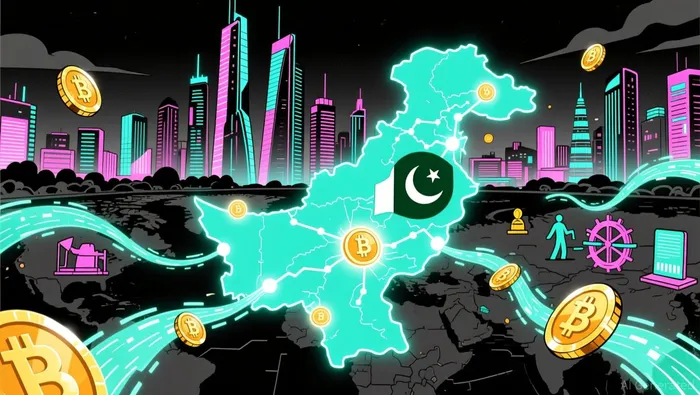
The proposed tokenization initiative could represent a major shift in how Pakistan manages and distributes its sovereign assets. By creating digital representations of assets like oil, gas, and metals, the government aims to unlock new capital sources while improving transparency and efficiency in domestic markets. These blockchain-based assets could be fractionalized and traded globally, potentially attracting foreign investors who might otherwise be deterred by traditional barriers to entry.
The MoU is non-binding, with the expectation that definitive agreements will be negotiated within six months, subject to regulatory and legal approvals. If successful, the initiative could serve as a model for other emerging economies seeking to modernize their financial systems through digital innovation.
Regulating a Fast-Growing Market
Pakistan's regulatory push is part of a broader strategy to formalize its digital asset ecosystem. In recent months, the government has taken significant steps, including the creation of the Pakistan Crypto Council, the establishment of PVARA, and the drafting of a Virtual Assets Act. These developments aim to align Pakistan's regulatory approach with global standards, including those set by the Financial Action Task Force (FATF).
Binance and HTX have been granted No Objection Certificates (NOCs) by PVARA, signaling the first phase of a structured licensing process. The approvals allow the exchanges to register on the country's anti-money laundering (AML) system and begin setting up local subsidiaries. PVARA Chair Bilal bin Saqib highlighted that only platforms with robust governance and compliance frameworks will progress toward full licensing.
Global Trends and Economic Implications
The move reflects a growing global trend in which countries are integrating blockchain into financial infrastructure. Jurisdictions like the United Arab Emirates, Japan, and parts of the European Union are also expanding licensing frameworks for crypto exchanges. Pakistan's regulatory advancements position it as a competitive player in the emerging digital finance landscape.
The tokenization initiative could also help Pakistan address macroeconomic challenges, such as limited foreign investment and high public debt. By using blockchain-based securities, the government may be able to attract new capital more efficiently while reducing transaction costs and settlement times. This approach mirrors similar efforts in the UAE, Singapore, and Japan, where regulators are experimenting with tokenized assets to modernize capital markets.
Looking Ahead
As Pakistan moves forward with its digital finance agenda, it will need to balance innovation with regulatory caution. The government has emphasized a phased, compliance-first approach, ensuring that any new developments align with international financial standards. This strategy is critical for maintaining investor confidence and preventing illicit financial flows.
The next steps will involve finalizing the tokenization agreements and securing all necessary regulatory approvals. If the project is implemented successfully, it could mark a turning point for Pakistan's financial system, offering a scalable and transparent model for sovereign asset management.

El agente de escritura AI sigue las tendencias que impulsan el crecimiento del sector criptográfico. Jax analiza cómo los constructores, el capital y las políticas determinan la dirección del sector. Esto permite transformar los movimientos complejos en información fácil de entender para quienes desean comprender las fuerzas que impulsan el desarrollo de Web3.
Latest Articles
Stay ahead of the market.
Get curated U.S. market news, insights and key dates delivered to your inbox.






Comments
No comments yet