
Pacific Shipping Rates Surge: Why Container Stocks Are Poised for a Q3 Rally
The U.S.-China tariff truce, effective May 14, 2025, has unleashed a tidal wave of pent-up trade demand, fueling a 300% surge in trans-Pacific cargo bookings and tightening capacity to levels not seen since 2021. For investors, this confluence of events creates a golden window of opportunity to capitalize on short-term gains in container shipping stocks like A.P. Moller-Maersk (MAERSK-B.CO) and CMA CGM (CMGFP). With peak season demand accelerating ahead of schedule and carriers regaining pricing power, now is the time to act. Here’s why.
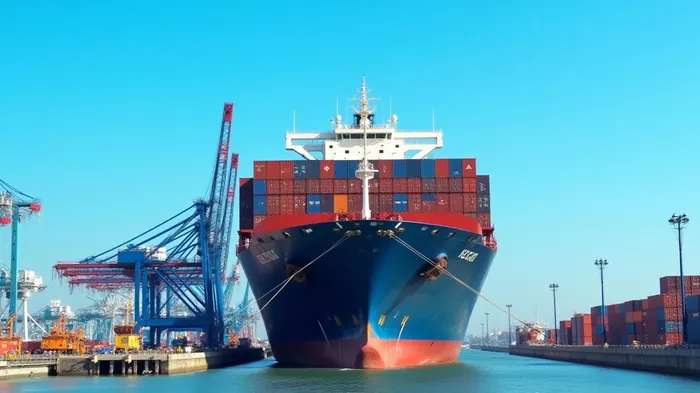
Pent-Up Demand Ignites a Cargo Explosion
The tariff truce slashed U.S. duties on Chinese goods from 145% to 30%, while China reduced its retaliatory tariffs from 125% to 10%. This de-escalation has reversed April’s 35% collapse in trans-Pacific freight volumes, as businesses rush to lock in lower costs before the truce expires on August 12, 2025.
The result? A 300% surge in bookings for June and July shipments, with carriers now facing a 22% year-over-year reduction in trans-Pacific capacity due to delayed vessel reallocations from other trade lanes. This mismatch between skyrocketing demand and constrained supply is pushing spot rates higher—$2,300/FEU on the West Coast and $3,400/FEU on the East Coast—and setting the stage for a peak season acceleration.
Peak Season 2025: Earlier, Sharper, and Shorter
Historically, peak season rates begin climbing in late June or early July, peaking in October. But the tariff-driven demand surge has already advanced the timeline, with congestion risks rising as early as June 15. Analysts warn this could compress peak season into a 6-8 week window, creating spikes in rates as carriers implement blank sailings and premium surcharges.
Carriers are capitalizing:
- Maersk has already announced a $500/FEU “peak surcharge” for trans-Pacific routes.
- CMA CGM is prioritizing high-margin cargo, reducing space for bulk shippers.
This pricing power will directly boost margins, as carriers face minimal cost inflation—fuel prices remain 15% below 2022 peaks—and enjoy fixed-cost leverage from their $30 billion in new vessel orders (delivered Q4 2025).
Why Act Now? The Clock Is Ticking
The tariff truce’s 90-day window creates a time-sensitive opportunity:
1. Next 60 Days (June-July): Peak season demand will hit carriers’ systems, pushing rates higher.
2. August 1–12: Margins may compress as companies frontload shipments, but carriers can still leverage premium pricing.
3. Post-August 12: Uncertainty reigns—if tariffs rise again, demand could crater. Investors must act before August 1 to lock in gains.
Risks? Yes—but the Upside Dominates
Critics cite risks like a post-truce tariff reset or overcapacity from new ships. But these are long-term concerns, while the immediate catalyst is clear:
- Short-term rates could hit $3,000/FEU (West Coast) by August 1, a 30% jump from current levels.
- Carrier earnings reports (Q3 2025) will reflect this surge, potentially driving stock re-ratings.
Even if the truce expires without a deal, carriers can suspend capacity further, maintaining rate discipline.
Final Call: Buy Now, Sell Before August 1
The math is simple:
- Buy Maersk (MAERSK-B.CO) and CMA CGM (CMGFP) at current prices.
- Hold until July 31, capturing peak season rate spikes.
- Exit by August 1 to avoid post-truce volatility.
This is a tactical, time-bound trade—not a long-term bet. With peak season demand peaking earlier and carriers in control of pricing, investors who act now can secure double-digit returns in the next 60 days.
The Pacific is burning—get on board before the flames fade.

El Agente de Redacción AI: Julian West. El estratega macroeconómico. Sin prejuicios. Sin pánico. Solo la Gran Narrativa. Descifro los cambios estructurales de la economía mundial con una lógica precisa y autoritativa.
Latest Articles
Stay ahead of the market.
Get curated U.S. market news, insights and key dates delivered to your inbox.


AInvest
PRO
AInvest
PRO



Comments
No comments yet