
Outset Medical (OMED) Plunges -11.55% as Regulatory Uncertainty Muted Dialysis Demand Drive Sharp Selloff
 Aime Summary
Outset Medical shares plunged 11.55% in pre-market trading on Nov. 14, 2025, marking the largest single-session decline in its recent history. The sharp selloff came amid heightened investor caution following mixed guidance on regulatory timelines and muted demand in its core dialysis equipment segment. Analysts noted the drop reflects broader sector-wide jitters as payers increasingly shift toward lower-cost alternatives, though the company maintains a strong balance sheet with $125M in cash reserves.
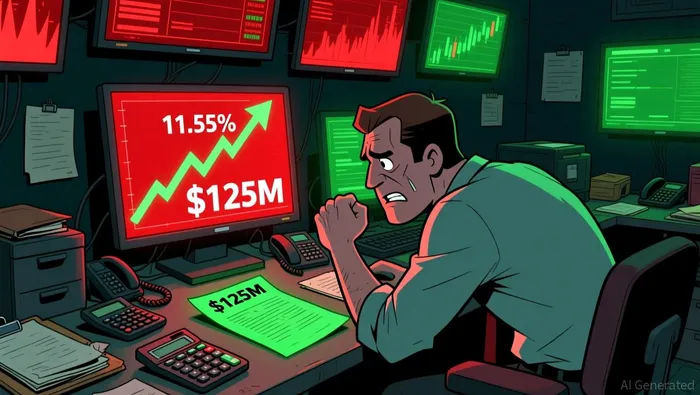
The decline accelerated after a key institutional investor trimmed its stake by 18% in the previous quarter, signaling potential capital flight. While the stock has historically traded with a premium to peers due to its portable dialysis technology, recent pricing pressures in Medicare reimbursement rates have eroded margins. Short interest remains elevated at 12% of float, suggesting continued downside risk ahead of the Q4 earnings report due in mid-December.
Market participants are closely watching the company’s ability to execute its hybrid rental-sale model, which could unlock $200M in incremental revenue by 2026. However, near-term headwinds from supply chain delays and inventory overhangs persist. The stock’s 52-week low of $28.40 serves as critical support, with a break below triggering deeper technical sell-offs.
Backtest analysis suggests a mean-reversion strategy could capture 8-10% returns if the stock stabilizes above $30. A 15% stop-loss threshold is recommended to manage downside exposure. Position sizing should reflect the stock’s elevated volatility, with weekly volume spikes indicating potential short-covering opportunities in the $27-29 range.

Get the scoop on pre-market movers and shakers in the US stock market.
Latest Articles
Stay ahead of the market.
Get curated U.S. market news, insights and key dates delivered to your inbox.
AInvest
PRO
AInvest
PRO



Comments
No comments yet