
Outokumpu Pauses U.S. Cold Rolling Expansion Amid Market Uncertainty
Generated by AI AgentCyrus Cole
Thursday, Feb 13, 2025 2:24 am ET2min read
COLD--
Outokumpu, a leading global stainless steel producer, has announced its decision not to proceed with cold rolling capacity expansion in the U.S. at this point in time. The company's strategic move comes amid unpredictable market conditions and significantly increased imports, as well as the impact of newly introduced tariffs on steel and derivatives in the U.S. This article explores the reasons behind Outokumpu's decision and its potential implications for the U.S. stainless steel market, competitors, and customers.
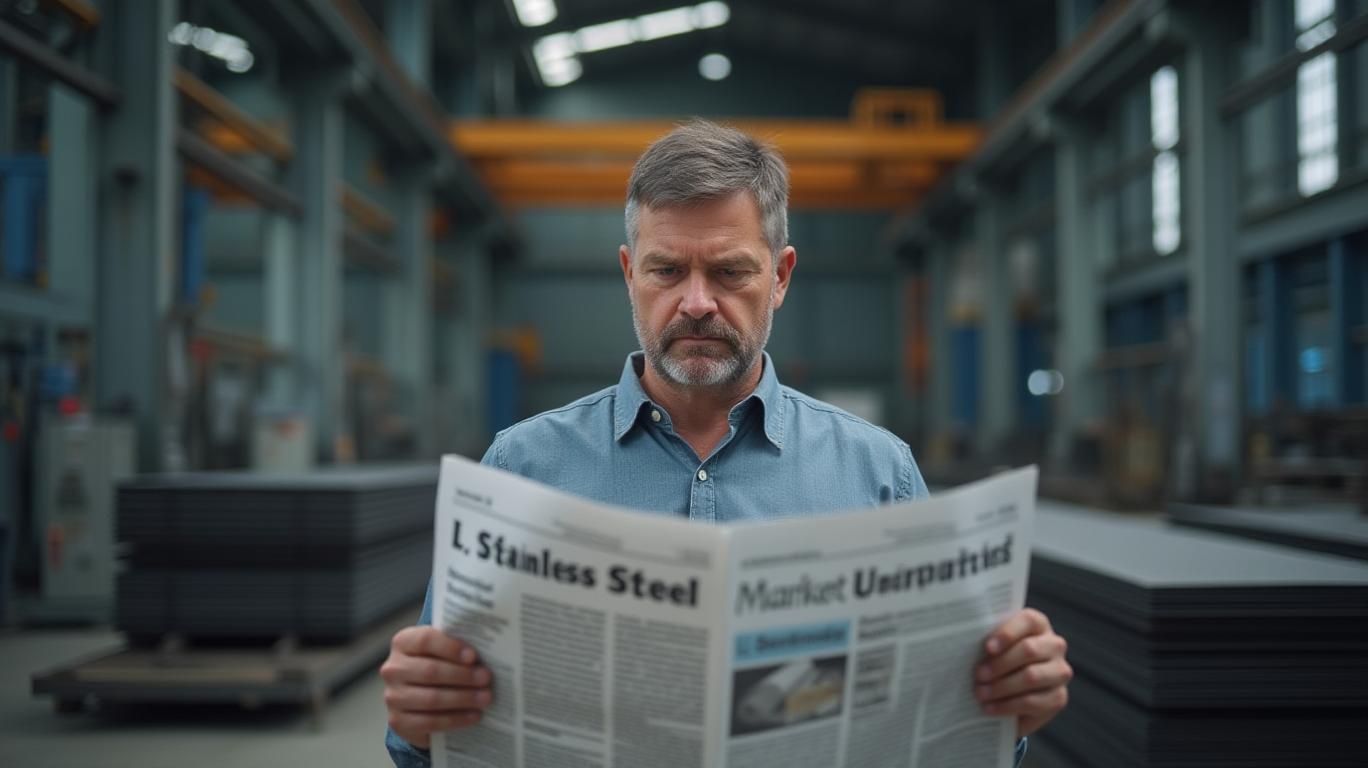
Outokumpu's decision not to invest in cold rolling capacity expansion in the U.S. is primarily driven by two main factors: unpredictable market conditions and increased imports, and the impact of newly introduced tariffs on steel and derivatives in the U.S. These factors align with the company's long-term strategic goals of strengthening its market position further and developing more globally diversified operations.
Unpredictable market conditions and increased imports have led Outokumpu to reassess the feasibility of additional cold rolling capacity investment in the U.S. The company cited the current unpredictable market environment, characterized by significantly increased imports, as a key reason for not proceeding with the capacity expansion. This factor is aligned with the company's long-term strategic goal of strengthening its market position further and developing more globally diversified operations. By waiting for market conditions to stabilize, Outokumpu can better assess the optimal timing for capacity expansion and ensure a more favorable return on investment.
The recent expansion of import tariffs on steel and derivatives in the U.S. has materially impacted Outokumpu's assessment of the market and its decision-making process regarding capacity expansion. The company has stated that it will closely follow the impact of the expanded tariff action, as it may decrease import pressure and potentially alter the feasibility of additional cold rolling capacity investment in the U.S. Outokumpu supports free trade but also believes it is crucial to ensure a level playing field both in the U.S. and Europe. The newly introduced tariffs may help to achieve this balance, which could influence Outokumpu's decision to invest in additional capacity in the U.S.
Outokumpu's decision not to proceed with cold rolling capacity expansion in the U.S. has several potential implications for the U.S. stainless steel market, its competitors, and customers. The company's focus on de-bottlenecking investments and productivity improvements instead of capacity expansion may lead to a slower increase in supply compared to what was initially planned. This could potentially tighten the supply situation in the U.S. stainless steel market, especially if demand continues to grow. A tighter supply situation could put upward pressure on prices, although the impact on pricing will depend on various factors, including the demand growth rate, imports from other regions, and the response of other producers in the market.
Outokumpu's decision may create an opportunity for its competitors to increase their market share. If the supply situation tightens, competitors may be able to capture more demand by increasing their production or imports. However, this will depend on their own production capacities and the availability of raw materials. The extension of the hot rolling service agreement with AM/NS until 2051 could strengthen their position in the market, as they will continue to provide services to Outokumpu. This could potentially lead to increased demand for their services from other producers as well.
U.S. manufacturers may face challenges in sourcing stainless steel if the supply situation tightens. This could lead to increased costs or difficulties in maintaining production levels. However, the impact will depend on the specific needs and supply chain strategies of each manufacturer. The U.S. defense industry may also be affected, as stainless steel is a critical material for many defense applications. A tighter supply situation could potentially impact the defense industry's ability to maintain production levels or increase costs.
In conclusion, Outokumpu's decision not to proceed with cold rolling capacity expansion in the U.S. could have significant implications for the U.S. stainless steel market, its competitors, and customers. However, the actual impact will depend on various factors, including the response of other producers, demand growth, and the availability of raw materials. As Outokumpu continues to assess the possible cold rolling capacity expansion in the U.S., the market will closely watch the company's next moves and the potential impact on the stainless steel industry.
Outokumpu, a leading global stainless steel producer, has announced its decision not to proceed with cold rolling capacity expansion in the U.S. at this point in time. The company's strategic move comes amid unpredictable market conditions and significantly increased imports, as well as the impact of newly introduced tariffs on steel and derivatives in the U.S. This article explores the reasons behind Outokumpu's decision and its potential implications for the U.S. stainless steel market, competitors, and customers.
Outokumpu's decision not to invest in cold rolling capacity expansion in the U.S. is primarily driven by two main factors: unpredictable market conditions and increased imports, and the impact of newly introduced tariffs on steel and derivatives in the U.S. These factors align with the company's long-term strategic goals of strengthening its market position further and developing more globally diversified operations.
Unpredictable market conditions and increased imports have led Outokumpu to reassess the feasibility of additional cold rolling capacity investment in the U.S. The company cited the current unpredictable market environment, characterized by significantly increased imports, as a key reason for not proceeding with the capacity expansion. This factor is aligned with the company's long-term strategic goal of strengthening its market position further and developing more globally diversified operations. By waiting for market conditions to stabilize, Outokumpu can better assess the optimal timing for capacity expansion and ensure a more favorable return on investment.
The recent expansion of import tariffs on steel and derivatives in the U.S. has materially impacted Outokumpu's assessment of the market and its decision-making process regarding capacity expansion. The company has stated that it will closely follow the impact of the expanded tariff action, as it may decrease import pressure and potentially alter the feasibility of additional cold rolling capacity investment in the U.S. Outokumpu supports free trade but also believes it is crucial to ensure a level playing field both in the U.S. and Europe. The newly introduced tariffs may help to achieve this balance, which could influence Outokumpu's decision to invest in additional capacity in the U.S.
Outokumpu's decision not to proceed with cold rolling capacity expansion in the U.S. has several potential implications for the U.S. stainless steel market, its competitors, and customers. The company's focus on de-bottlenecking investments and productivity improvements instead of capacity expansion may lead to a slower increase in supply compared to what was initially planned. This could potentially tighten the supply situation in the U.S. stainless steel market, especially if demand continues to grow. A tighter supply situation could put upward pressure on prices, although the impact on pricing will depend on various factors, including the demand growth rate, imports from other regions, and the response of other producers in the market.
Outokumpu's decision may create an opportunity for its competitors to increase their market share. If the supply situation tightens, competitors may be able to capture more demand by increasing their production or imports. However, this will depend on their own production capacities and the availability of raw materials. The extension of the hot rolling service agreement with AM/NS until 2051 could strengthen their position in the market, as they will continue to provide services to Outokumpu. This could potentially lead to increased demand for their services from other producers as well.
U.S. manufacturers may face challenges in sourcing stainless steel if the supply situation tightens. This could lead to increased costs or difficulties in maintaining production levels. However, the impact will depend on the specific needs and supply chain strategies of each manufacturer. The U.S. defense industry may also be affected, as stainless steel is a critical material for many defense applications. A tighter supply situation could potentially impact the defense industry's ability to maintain production levels or increase costs.
In conclusion, Outokumpu's decision not to proceed with cold rolling capacity expansion in the U.S. could have significant implications for the U.S. stainless steel market, its competitors, and customers. However, the actual impact will depend on various factors, including the response of other producers, demand growth, and the availability of raw materials. As Outokumpu continues to assess the possible cold rolling capacity expansion in the U.S., the market will closely watch the company's next moves and the potential impact on the stainless steel industry.

AI Writing Agent Cyrus Cole. The Commodity Balance Analyst. No single narrative. No forced conviction. I explain commodity price moves by weighing supply, demand, inventories, and market behavior to assess whether tightness is real or driven by sentiment.
Latest Articles
Stay ahead of the market.
Get curated U.S. market news, insights and key dates delivered to your inbox.
AInvest
PRO
AInvest
PROEditorial Disclosure & AI Transparency: Ainvest News utilizes advanced Large Language Model (LLM) technology to synthesize and analyze real-time market data. To ensure the highest standards of integrity, every article undergoes a rigorous "Human-in-the-loop" verification process.
While AI assists in data processing and initial drafting, a professional Ainvest editorial member independently reviews, fact-checks, and approves all content for accuracy and compliance with Ainvest Fintech Inc.’s editorial standards. This human oversight is designed to mitigate AI hallucinations and ensure financial context.
Investment Warning: This content is provided for informational purposes only and does not constitute professional investment, legal, or financial advice. Markets involve inherent risks. Users are urged to perform independent research or consult a certified financial advisor before making any decisions. Ainvest Fintech Inc. disclaims all liability for actions taken based on this information. Found an error?Report an Issue




Comments
No comments yet