
Oscar Mayer Recall: A Wake-Up Call for Supply Chain Resilience and ESG Investing
The recent recall of Oscar Mayer turkey bacon—367,812 pounds of product due to potential Listeria contamination—has sent shockwaves through the food industry. While no illnesses were reported, the incident underscores a critical truth: protein supply chains remain fragile, and companies that fail to prioritize safety and sustainability risk reputational and financial ruin. For investors, this is a pivotal moment to reassess risk exposure and identify opportunities in ESG-aligned sectors like food safety technology and sustainable agriculture.
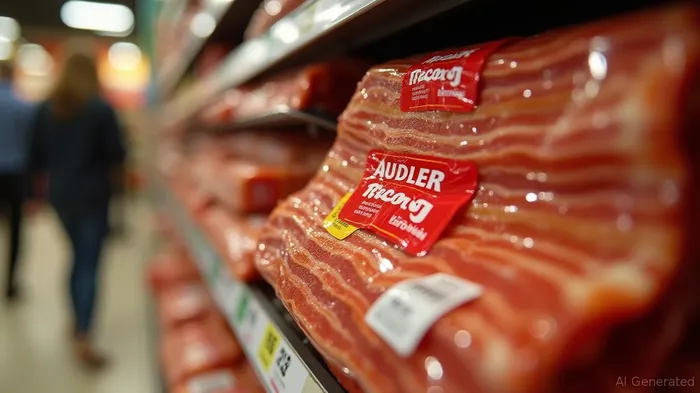
Supply Chain Vulnerabilities: A Systemic Risk
The Oscar Mayer recall is not an isolated event. In 2024, Boar's Head deli meats were linked to a Listeria outbreak that caused 10 deaths and over 60 illnesses. These incidents reveal systemic weaknesses in protein supply chains, including:
- Contamination Risks: Listeria's resilience in refrigeration and freezing environments means even minor lapses in processing or storage can lead to recalls.
- Global Distribution: The Oscar Mayer recall affected products in the U.S., British Virgin Islands, and Hong Kong, highlighting how modern supply chains amplify geographic risk exposure.
- Cost Pressures: Recalls exact a toll on profitability. Kraft Heinz's operating income dropped 63% in 2024 to $1.68 billion, likely exacerbated by recall-related expenses.
The company's shares have fallen to a 52-week low of $26.63, reflecting investor skepticism about its ability to manage operational risks.
ESG Implications: Trust is the New Currency
The recall has stark ESG (Environmental, Social, Governance) ramifications:
- Social Risk: Listeria outbreaks disproportionately harm vulnerable populations, damaging brand equity. The Oscar Mayer brand, a cornerstone of Kraft Heinz's portfolio, now faces reputational erosion.
- Governance Gaps: While the recall was initiated proactively, the root cause—whether supplier oversight, facility sanitation, or testing protocols—remains critical. Investors must scrutinize companies' ESG governance frameworks, including third-party audits and crisis management protocols.
- Regulatory Scrutiny: The USDA's Food Safety and Inspection Service (FSIS) is monitoring recall effectiveness, signaling heightened compliance demands.
Investment Opportunities in Food Safety and Sustainability
The fallout from the Oscar Mayer recall creates both risks and opportunities for investors:
1. Food Safety Technology: A Defensive Play
Companies enabling real-time contamination detection or blockchain traceability are poised to benefit. Consider:
- Thermo Fisher Scientific: A leader in lab equipment for pathogen testing.
- IBM Food Trust: Blockchain platforms that enhance supply chain transparency.
2. Sustainable Agriculture: Building Resilient Supply Chains
Investors should favor firms with ESG-aligned practices, such as:
- Cargill: A diversified agribusiness prioritizing food safety and sustainable sourcing.
- Danone: A global food giant emphasizing clean-label products and regenerative agriculture.
3. ESG Funds Targeting Consumer Staples
Funds like the iShares ESG MSCI ACWI ETF (ESGU) or sector-specific options like ARKW (ARK Innovation ETF), which include food tech disruptors, offer diversified exposure to companies with strong ESG profiles.
Conclusion: ESG is the Compass for Navigating Food Industry Risks
The Oscar Mayer recall is a wake-up call for investors to demand transparency and resilience in food supply chains. Companies with weak ESG practices face not only financial penalties but also eroding consumer trust—a liability in an era of heightened health consciousness. Conversely, firms investing in food safety tech, sustainable sourcing, and robust governance will capture market share and attract ESG-focused capital.
Investment Advice:
- Avoid: Consumer goods companies with poor ESG ratings in food safety or governance.
- Buy: ESG-aligned firms in food safety tech and sustainable agriculture.
- Monitor: The performance of companies like Kraft Heinz—any failure to address systemic risks could lead to further margin contraction and valuation declines.
The food industry's next phase will reward those who prioritize safety and sustainability. Investors who align with these principles will be positioned to profit as supply chains evolve to meet 21st-century demands.
This data underscores the growing frequency of contamination risks, reinforcing the need for proactive ESG strategies.
Thomas Lott's analysis emphasizes actionable insights for investors navigating evolving industry dynamics. For more on ESG-driven opportunities, explore our series on resilient supply chains.

Stay ahead of the market.
Get curated U.S. market news, insights and key dates delivered to your inbox.
AInvest
PRO
AInvest
PRO



Comments
No comments yet