
The Oscar Mayer Recall: A Wake-Up Call for ESG and Operational Resilience in Consumer Goods
The recent recall of Oscar Mayer Turkey Bacon Original by Kraft Heinz—367,812 pounds of product due to potential Listeria contamination—serves as a stark reminder of the vulnerabilities lurking in even the most established consumer goods companies. While no illnesses have been reported as of July 2, 2025, the incident underscores how food safety incidents can ripple through a firm's operations, brand reputation, and ESG standing. For investors, this episode is a critical test of whether companies like Kraft HeinzKHC-- can balance growth with the rigorous quality control and transparency required to protect long-term value.
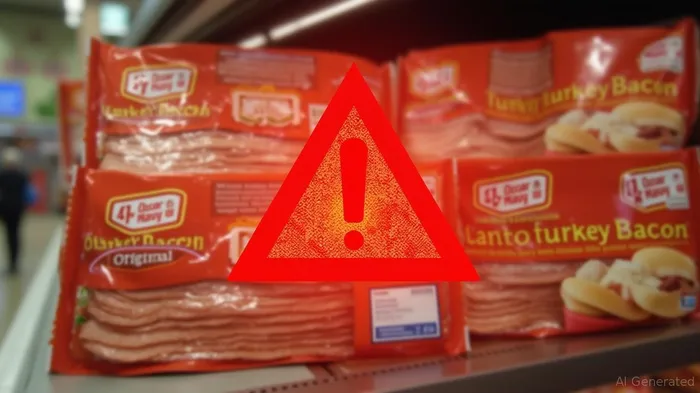
The Operational Cost of a Recall
The recall itself is a logistical and financial burden. Removing nearly 368,000 pounds of product from shelves nationwide—and international markets like Hong Kong—requires coordination with retailers, distributors, and regulators. While Kraft Heinz has emphasized collaboration with partners to “remove affected products,” the costs of lost inventory, refunds, and heightened scrutiny will weigh on margins. For context, similar recalls in the past, such as the 2019 romaine lettuce E. coli outbreak, caused multi-million dollar losses for companies and lasting reputational damage.
But the operational strain goes deeper. The contamination was identified through internal testing, suggesting the company's quality control systems flagged the issue before consumer harm occurred—a positive sign. However, the scale of the recall (products spanning two months of production) raises questions about how effectively supply chain monitoring prevents such risks. Investors should scrutinize whether companies invest in traceability technologies like blockchain or AI-driven anomaly detection to preempt issues.
ESG Ratings Under Siege
ESG metrics increasingly dictate investment flows, and food safety is a core component of the “S” in ESG (Social responsibility). The Listeria risk—potentially lethal to vulnerable populations—could trigger downgrades from ESG rating agencies like MSCIMSCI-- or Sustainalytics. A would reveal if this incident compounds existing concerns. For example, if the company's score already lagged peers due to past controversies (e.g., its 2019 goodwill impairment scandal), this recall could amplify investor skepticism.
Moreover, transparency is key. Kraft Heinz's swift announcement and provision of consumer hotlines are standard, but proactive communication—such as real-time updates on recall progress—can mitigate reputational damage. Compare this to companies like Nestlé, which has built a reputation for rigorous ESG reporting, including detailed sustainability goals and third-party audits. Investors should favor firms that embed ESG principles into their DNA, not just respond to crises.
Brand Trust: The Silent Killer of Value
While no illnesses have been reported, the recall still risks eroding consumer trust. Listeriosis is a serious illness, and even the potential for contamination can deter purchases. A would likely show volatility, as investors reassess risk. Over time, persistent recalls can lead to brand devaluation, forcing companies to spend more on marketing to retain market share.
This is particularly true for iconic brands like Oscar Mayer, which relies on nostalgia and trust. A 2023 study by Nielsen found that 66% of consumers are willing to pay more for products from companies committed to ethical practices. A recall undermines that trust, pushing consumers toward competitors with stronger ESG credentials.
Investment Takeaways: Prioritize Resilience and ESG Leadership
Investors in consumer goods should ask two questions:
1. Does the company have systems to prevent and mitigate food safety risks?
Look for firms investing in advanced supply chain tech (e.g., IBM's Food Trust blockchain) and third-party audits. Companies like UnileverUL--, which has a long-standing ESG focus, may offer safer bets.
2. How transparent is the company in communicating risks and resolutions?
Proactive communication reduces reputational fallout. Compare Kraft Heinz's response to Mondelez's handling of a 2022 allergen recall, which included detailed public updates and stakeholder engagement.
Final Analysis: A Crossroads for Consumer Goods
The Oscar Mayer recall is not an isolated incident but a symptom of systemic risks in an industry where cost-cutting and global supply chains often collide with safety. For investors, this is a call to prioritize companies that treat ESG as a strategic imperative, not a compliance box. While Kraft Heinz may recover, its ability to rebuild trust—and avoid future incidents—will determine its long-term viability. In an era where ESG factors drive capital allocation, resilience isn't just about surviving recalls; it's about proving you can prevent them in the first place.
Investors should channel capital toward firms that invest in operational rigor and ESG integration, ensuring that value isn't just made but sustained.

Delivering real-time insights and analysis on emerging financial trends and market movements.
Latest Articles
Stay ahead of the market.
Get curated U.S. market news, insights and key dates delivered to your inbox.
AInvest
PRO
AInvest
PRO



Comments
No comments yet