
Using Options to Hedge Against Political Market Volatility
 Aime Summary
Political events—elections, policy shifts, or geopolitical tensions—can create sudden market swings, leaving investors exposed to unpredictable losses. For those seeking to protect their portfolios, options offer a powerful yet accessible tool. This article explains how options work, how they can hedge against political uncertainty, and provides practical strategies for investors of all levels.
What Are Options and Why They Matter
An option is a contract that gives the buyer the right, but not the obligation, to buy (call option) or sell (put option) a stock at a specific price (strike price) before a set date (expiration). During times of political volatility, options act like insurance: a put option can protect against a market drop, while a call option can secure gains if markets surge unexpectedly.
For example, imagine a U.S. election approaches, and you own stocks that historically dip during political uncertainty. Buying a put option allows you to sell your stock at a predetermined price, limiting losses if the market falls. Conversely, if you fear a sudden policy change could boost certain sectors, a call option could let you profit without committing to a full stock purchase.
How to Use Options Strategically
Protective Puts: This is the most straightforward hedging strategy. Buy put options on your portfolio or a broad index like the S&P 500. If the market drops, the put’s value rises, offsetting losses. For instance, if you own $50,000 worth of stocks, buying put options with a strike price 10% below your current holdings can cap potential losses.
Covered Calls: If you’re holding stocks expected to remain stable during political events, selling call options can generate income. This strategy works best when you’re neutral on the stock’s direction but want to earn premiums to offset holding costs.
Straddles and Strangles: These advanced strategies involve buying both a call and put option at the same time. They’re ideal when you expect a major event (like an election) to cause a sharp move, but you’re unsure of the direction. While riskier, they can profit from volatility itself.
Real-World Example: The 2016 U.S. Election
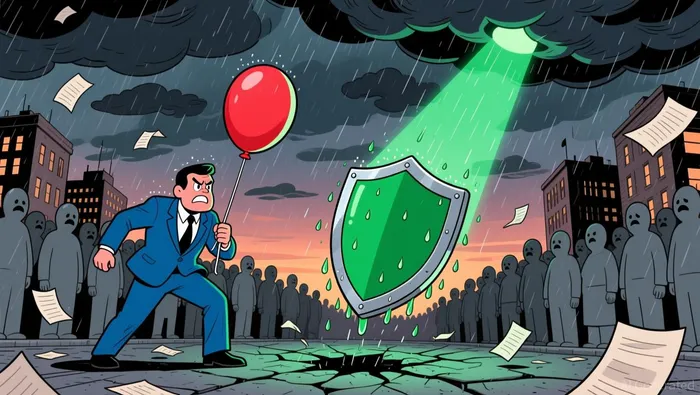
In 2016, the S&P 500 fell nearly 1% on the day before the U.S. presidential election due to fears of uncertainty. However, investors who had purchased put options the week prior saw their losses mitigated. For example, a put option with a strike price of $2,200 (when the index was at $2,250) would have gained value as the market dropped to $2,180. While the put cost $100 per contract, it effectively reduced the investor’s overall loss by 50%.
Risks and Key Considerations
Options are not foolproof. The biggest risk is time decay: options lose value as expiration approaches, especially if the market remains stable. Additionally, while put options protect against downturns, they don’t prevent losses from rising costs (e.g., if you pay $500 for a put and the market only drops 2%). Always balance hedging with your overall portfolio goals and risk tolerance.
Another pitfall is over-hedging. Constantly buying options can erode returns through premium costs. A better approach is to hedge selectively during high-impact events, such as major elections or referendums, rather than maintaining perpetual coverage.
Final Takeaways
Political volatility is inevitable, but options provide a way to manage its risks. By understanding how puts and calls work, investors can protect their portfolios without sacrificing long-term growth. Start small: use protective puts for key holdings during high-uncertainty periods, and gradually explore advanced strategies as your confidence grows. Remember, options are tools—not crystal balls—so pair them with thorough research and a clear investment plan.

Stay ahead of the market.
Get curated U.S. market news, insights and key dates delivered to your inbox.






Comments
No comments yet