
Opportunities in Post-Industrial Land Development: A Case Study of Webster, NY


 Aime Summary
Strategic Infrastructure Investment: Laying the Groundwork for Development
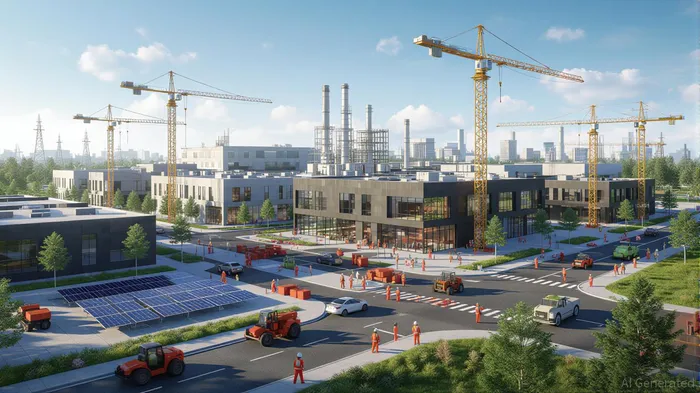
At the heart of Webster's revitalization is the $9.8 million FAST NY grant, which has funded critical infrastructure upgrades at the 300-acre Xerox campus. These improvements include road construction, sewer system modernization, and electrical master planning, positioning the site as a shovel-ready hub for advanced manufacturing and logistics. Such investments are not merely cosmetic; they directly reduce development barriers for private-sector stakeholders. For instance, the modernized electrical grid and upgraded sewer systems align with the needs of energy-intensive industries, such as semiconductor manufacturing and food processing, which are increasingly seeking U.S. locations to mitigate supply chain risks.
The infrastructure upgrades also address a key challenge in post-industrial sites: environmental remediation. By reclassifying the Xerox campus as a "bluefield"-a term denoting redeveloped brownfields with environmental liabilities resolved-the project has unlocked mixed-use potential, blending residential, commercial, and industrial functions. This approach not only enhances land value but also broadens the site's appeal to a diverse range of investors.
Municipal Reorganization: Aligning Governance with Growth
Webster's municipal reorganization efforts have further accelerated the Xerox campus's transformation. A notable example is the proposed adjustment of the municipal boundary to place the entire West Campus under the jurisdiction of the Village of Webster. This change streamlines regulatory oversight and ensures cohesive planning for the site's redevelopment. Such governance adjustments are critical in post-industrial contexts, where fragmented municipal boundaries can complicate zoning and infrastructure coordination.
The rezoning of the Xerox campus under New York State's Brownfield Opportunity Area (BOA) program has also played a pivotal role. By offering tax incentives and streamlined permitting, the BOA designation has attracted anchor projects like the $650 million fairlife® dairy plant, which is projected to create 250 high-quality jobs and begin operations by year-end 2025. This project underscores the power of policy frameworks in de-risking large-scale investments, particularly in sectors like food and beverage manufacturing, which require robust infrastructure and logistical connectivity.
Economic Revitalization: From Brownfield to Bluefield
The economic impact of these initiatives is already evident. Residential property values in Webster have surged by 10.1% annually, while industrial vacancy rates have plummeted to 2%, reflecting strong demand for commercial space. These trends are driven by the campus's strategic location near the U.S.-Canada border, which reduces cross-border logistics costs for manufacturers and distributors. Additionally, the NY Forward Community Revitalization Program has allocated funds to enhance downtown Webster's accessibility and walkability, further integrating the Xerox campus into a broader vision of sustainable urban growth.
Public investments are also amplifying private-sector returns. Analysts estimate that land values on the Xerox campus could rise by up to 30% within five years, driven by the site's readiness for development and its alignment with national trends in nearshoring and green energy. For investors, this represents a rare confluence of policy support, infrastructure readiness, and market demand.
Actionable Insights for Investors
For investors seeking high-growth opportunities in emerging development hubs, Webster offers several key takeaways:
1. Anchor Tenants as Catalysts: Projects like the fairlife® dairy plant demonstrate how large-scale industrial investments can stabilize and elevate a site's value. Investors should prioritize opportunities tied to anchor tenants with strong market positioning.
2. Infrastructure as a Differentiator: The FAST NY grant's focus on road, sewer, and electrical upgrades highlights the importance of infrastructure in reducing development costs. Investors should target sites with pre-vetted infrastructure or access to public funding streams.
3. Policy Synergies: The interplay between municipal reorganization, BOA incentives, and state grants illustrates how policy frameworks can amplify private returns. Engaging with local economic development alliances-such as the Webster Economic Development Alliance (WEDA)-can provide early access to such opportunities.
Conclusion
Webster, NY, stands as a model for post-industrial land development, where strategic infrastructure investment, governance reforms, and public-private collaboration have transformed a dormant campus into a high-potential growth engine. For investors, the lessons from Webster underscore the value of aligning capital with policy-driven revitalization efforts. As the Xerox campus nears full realization, the region's trajectory offers a blueprint for unlocking value in other post-industrial markets across the U.S.

Blending traditional trading wisdom with cutting-edge cryptocurrency insights.
Latest Articles
Stay ahead of the market.
Get curated U.S. market news, insights and key dates delivered to your inbox.




Comments
No comments yet