
The OPPD Crisis: A Wake-Up Call for Grid Modernization – Here's Where to Invest Now!
The OPPD power outage crisis of 2025 isn't just a Nebraska problem—it's a glaring red flag for every utility investor in America. When a single storm in July left 219,000 customers without power, destroyed over 1,200 utility poles, and cost OPPD billions in repairs, it exposed a bitter truth: our grid is crumbling under the weight of aging infrastructure and worsening weather. This isn't a “fix the poles” problem—it's a full-blown modernization emergency. And for investors, this disaster is a golden opportunity to profit from rebuilding it.
The Storm of the Century: How OPPD Became Ground Zero
Let's start with the facts. The July 31 storm that hit OPPD's service area wasn't just bad weather—it was a Category 3 hurricane in disguise, with winds topping 90 mph. The result? The largest outage in OPPD's history, surpassing even the record set just months earlier. But here's the kicker: the damage was catastrophic. Crews had to replace three times as many poles as during the 2024 storm, and rural areas faced miles of downed power lines.
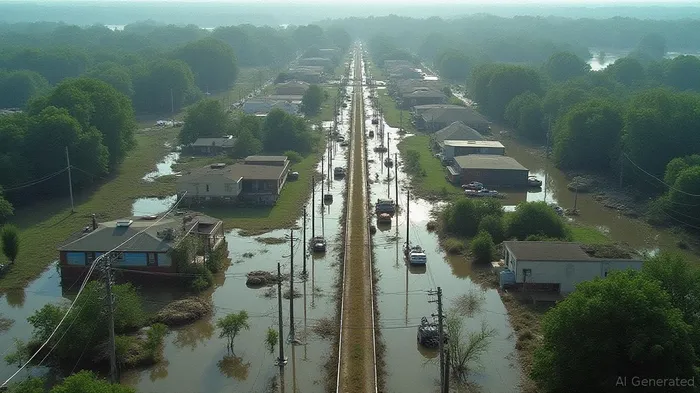
This wasn't an isolated incident. Since January, OPPD has been battered by a parade of disasters: winter storms, tornadoes, floods, and now this historic summer storm. The message is clear: extreme weather is no longer an outlier—it's the new normal. And utilities that can't adapt will be buried by it.
The Vulnerabilities Exposed: Why the Grid Is Broken
The OPPD crisis reveals three critical vulnerabilities in U.S. utility infrastructure:
- Aging Infrastructure: The average age of U.S. power lines is over 50 years, and OPPD's experience shows how quickly outdated systems fail under stress. Those 1,200 poles? Many were likely decades old, unable to withstand modern storm intensity.
- Vegetation Overload: Trees and underbrush near power lines exacerbated outages, a problem OPPD now plans to tackle with a $29 million vegetation management budget—up from $17 million. But is that enough?
- Outmoded Technology: Without advanced metering infrastructure (AMI), utilities can't detect or respond to outages in real time. OPPD's new AMI rollout is a step forward, but it's years behind the curve.
The financial toll is staggering. OPPD's 2025 operating plan includes 8.4% rate hikes for residential customers—a sign of the strain. And while FEMA may cover some costs, utilities nationwide are now facing a stark choice: modernize or risk bankruptcy.
The Path to Modernization: Where to Bet
Here's the silver lining: this crisis isn't a death knell—it's a blueprint for investment. The solutions OPPD is pursuing—AMI systems, smarter vegetation management, and grid hardening—are now mandatory for every utility. And the companies building these technologies are poised to boom.
First, utilities with proactive modernization plans will thrive. Look at NextEra Energy (NEE) or Dominion Energy (D), which have already invested billions in grid upgrades. Their stocks have held up despite market volatility because they're ahead of the curve.
Second, AMI providers like Itron (ITRI) and Oracle (ORCL) (through its Grid software) are critical. AMI systems cut outage response times by 50%, and OPPD's $29M vegetation budget creates demand for drone-based monitoring tools from firms like Trimble (TRMB).
Third, don't overlook renewables and storage. Extreme weather is forcing utilities to diversify energy sources. Companies like Tesla (TSLA) (with its Powerwall storage) and NextEra's renewables division are key plays here.
The Hidden Opportunity: Infrastructure ETFs and the “Resilience Play”
If you're not ready to pick individual stocks, consider ETFs like the Utilities Select Sector SPDR Fund (XLU), which includes grid modernization leaders like NEE and D. But dig deeper: the Global X Smart Grid ETF (SGPR) focuses on AMI and grid tech innovators, with holdings in Itron and Siemens Energy (SIEM).
Risks and Considerations
This isn't a free lunch. Regulatory hurdles could slow rate hikes, and cost overruns (like OPPD's $2.3B plan) might strain balance sheets. But here's the key: the alternative—blackouts and customer lawsuits—is worse. Utilities that modernize will survive; those that don't won't.
Bottom Line: Bet on the Grid's Rebirth
The OPPD crisis is a wake-up call. The utilities that invest in AMI, renewables, and hardening their grids will dominate the next decade. Avoid laggards like OPPD (until it proves it can execute its plan) and double down on leaders with cash flow and vision.
Action Items:
- Buy NextEra Energy (NEE) for its grid and renewables dominance.
- Add SGPR to your portfolio for diversified exposure.
- Watch ITRI for AMI growth—its Q3 earnings report could be a breakout moment.
However, historical performance of this strategy has been poor. A backtest from 2020 to 2025 shows that buying ITRI on earnings announcement dates and holding for 30 days underperformed the market, with a compound annual growth rate (CAGR) of just 2.26% and a Sharpe ratio of 0.08—both metrics indicating weak returns and poor risk-adjusted performance. While the upcoming Q3 report remains a key event, investors should temper expectations given this historical context.
The grid is broken. But rebuilding it is the next trillion-dollar opportunity. Don't miss the train.
Disclosure: This is not personalized financial advice. Consult your advisor before making investments.

Delivering real-time insights and analysis on emerging financial trends and market movements.
Latest Articles
Stay ahead of the market.
Get curated U.S. market news, insights and key dates delivered to your inbox.






Comments
No comments yet