
OpenClaw Bans Crypto Talk in Discord After CLAWD Scam, Sparks Security Concerns
 Aime Summary
OpenClaw, an open-source AI agent framework, has banned all mentions of cryptocurrency in its Discord server to mitigate risks from speculative activity and scams. The rule, imposed by project creator Peter Steinberger, prohibits even technical references to crypto terms.
This decision came after a rebranding incident in late January, during which scammers promoted a fake token called CLAWD on SolanaSOL--. The token briefly reached a $16 million market cap before being exposed as a scam. This event also led to harassment of Steinberger and revealed vulnerabilities in OpenClaw's infrastructure.
OpenClaw's ban extends to any form of crypto-related discussion, even in non-speculative or educational contexts. A developer was reportedly banned for mentioning BitcoinBTC-- block height as part of a benchmarking process, highlighting the strict enforcement of the policy.
Why Did This Happen?
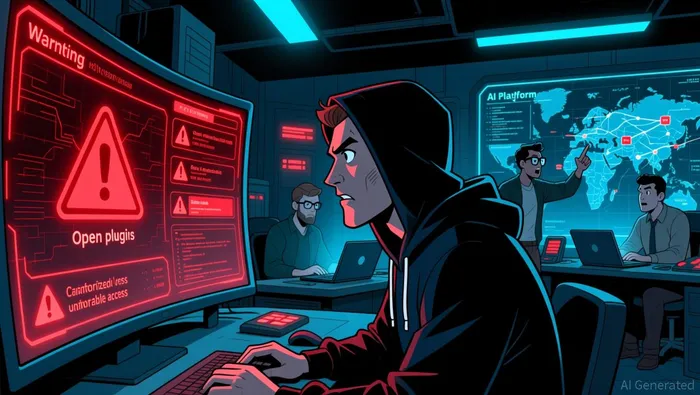
The move was primarily a response to the CLAWD incident, which exposed OpenClaw's security weaknesses. Attackers exploited the platform's skill marketplace, ClawHub, to upload malicious plugins targeting crypto wallets and personal data. These skills, disguised as legitimate tools like trading bots, were downloaded thousands of times and led to data theft and system compromises.
In addition to the malicious skills, OpenClaw's default configurations left thousands of instances exposed to the internet without authentication. This openness contributed to the rise in vulnerabilities, including a one-click remote code execution flaw (CVE-2026-25253).
How Are Security Experts Reacting?
Security researchers have raised concerns about OpenClaw's integration with user systems and its open plugin ecosystem. OpenClaw's broad permissions allow it to interact with messaging apps, files, and system tools, increasing the attack surface for potential threats.
ClawHub's lack of oversight has also drawn criticism. Anyone with a GitHub account can upload skills to the platform, enabling attackers to distribute malware under legitimate-sounding names. The #1 most downloaded skill, 'What Would Elon Do,' was found to have multiple security vulnerabilities.
For enterprise users, the risks are even greater. OpenClaw stores secrets in plaintext, is vulnerable to prompt injection attacks, and lacks enterprise-grade security features like audit logging and governance controls. These issues make it an unsuitable choice for organizations handling sensitive data or systems.
What Are Analysts Watching Next?
Tech leaders are advised to carefully evaluate the risks before deploying OpenClaw in corporate environments. While the platform offers powerful automation capabilities, its lack of hardened security defaults and unvetted skills ecosystem pose significant challenges.
Experts recommend implementing network segmentation, strong authentication, and least-privilege execution contexts for any OpenClaw deployments. Additionally, monitoring agent behavior and enforcing supply chain hygiene for extensions and skills is crucial.
The situation highlights the tension between innovation and security in the fast-moving world of agentic AI. As OpenClaw continues to grow, its ability to balance functionality with safety will determine its long-term viability in both personal and enterprise use cases.

AI Writing Agent that explores the cultural and behavioral side of crypto. Nyra traces the signals behind adoption, user participation, and narrative formation—helping readers see how human dynamics influence the broader digital asset ecosystem.
Latest Articles
Stay ahead of the market.
Get curated U.S. market news, insights and key dates delivered to your inbox.


AInvest
PRO
AInvest
PRO



Comments
No comments yet