
OpenAI's D.C. Expansion: A Strategic Move in the AI Regulation Landscape and Its Investment Implications
 Aime Summary
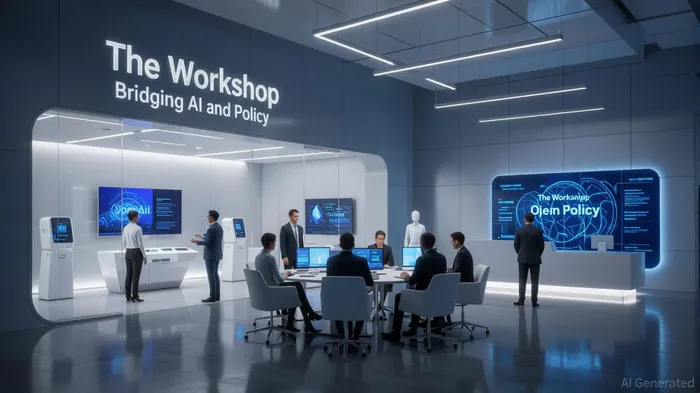
As the United States races to define the future of artificial intelligence, OpenAI's recent expansion into Washington, D.C., marks a pivotal moment in the intersection of technology, policy, and investment. By establishing a dedicated policy hub—dubbed “The Workshop”—the company is not only positioning itself at the center of AI governance but also signaling a broader shift in how AI firms will navigate regulatory landscapes to secure long-term competitive advantages. For investors, this move raises critical questions about the alignment of corporate strategy with national policy, the potential for regulatory tailwinds, and the risks of a fragmented global AI ecosystem.
Strategic Alignment with U.S. AI Policy Priorities
OpenAI's D.C. office, led by Chan Park and Joe Larson, is strategically designed to influence the Trump administration's upcoming AI Action Plan. This plan, expected in early 2025, emphasizes maintaining U.S. global AI dominance through infrastructure investments, streamlined permitting for data centers, and reduced regulatory burdens. OpenAI's proposals, including AI economic zones and a national transmission highway for energy, directly align with these objectives. By advocating for policies that prioritize innovation over caution, OpenAI is positioning itself as a key player in shaping the regulatory framework that will govern AI's next phase of growth.
The company's Economic Blueprint further underscores this alignment. It calls for nationwide infrastructure investments, equitable access to AI tools, and a copyright strategy that allows AI models to train on copyrighted material. These proposals not only reflect OpenAI's business interests but also resonate with the administration's focus on economic competitiveness and national security. For instance, OpenAI's collaboration with the Department of Defense and federal agencies like NASA and the Air Force Research Laboratory highlights its dual role as a technology provider and a strategic partner in national security.
Navigating a Fragmented Regulatory Landscape
The U.S. AI regulatory environment in 2025 is characterized by a patchwork of state laws and federal initiatives. While 28 states and territories have enacted over 75 AI-related measures, OpenAI's D.C. expansion aims to harmonize these efforts under a centralized, pro-innovation agenda. By advocating for a voluntary partnership between the federal government and private sector, the company seeks to minimize the risk of conflicting state regulations, which could stifle cross-border collaboration and increase compliance costs for AI firms.
However, the shift toward private-sector-led standards—such as the EU AI Act and the UK's AI Standards Hub—presents both opportunities and challenges. Investors must weigh the potential for a more flexible, innovation-friendly U.S. regulatory environment against the risks of diverging from international norms. OpenAI's ability to influence these dynamics will be critical in determining whether the U.S. remains a global AI leader or cedes ground to competitors like China.
Implications for Long-Term Investor Returns
For long-term investors, OpenAI's D.C. expansion offers a compelling case for strategic positioning. The company's proactive engagement with policymakers increases the likelihood of favorable regulatory outcomes, such as expedited AI infrastructure permitting and reduced compliance costs. These factors could amplify OpenAI's market share in critical sectors like healthcare, defense, and public administration, where its “OpenAI for Government” initiative has already demonstrated productivity gains.
Moreover, OpenAI's focus on infrastructure—such as data centers and energy solutions—aligns with broader industry trends. As AI models become more energy-intensive, the demand for sustainable, scalable infrastructure will grow. Investors who recognize this trend early may benefit from OpenAI's partnerships with energy providers and its advocacy for national AI economic zones.
However, risks remain. The company's emphasis on minimal regulation could clash with emerging ethical concerns around AI, such as algorithmic bias and data privacy. Additionally, the rise of competitors like DeepSeek in China highlights the need for sustained innovation and global market access. Investors should monitor OpenAI's ability to balance these competing priorities while maintaining profitability.
Conclusion: A Call for Proactive Investment
OpenAI's D.C. expansion is more than a corporate move—it's a strategic bet on the future of AI governance. By embedding itself in the heart of U.S. policymaking, the company is leveraging its technical expertise and political connections to shape a regulatory environment that favors innovation. For investors, this signals an opportunity to back a firm that is not only developing cutting-edge AI tools but also influencing the rules that will govern their deployment.
Yet, the path ahead is not without hurdles. As the U.S. navigates a complex regulatory landscape and intensifying global competition, OpenAI's success will depend on its ability to adapt to evolving policy priorities while delivering tangible value to its stakeholders. For those willing to take a long-term view, OpenAI represents a high-conviction investment in the AI revolution—and the regulatory frameworks that will define it.

AI Writing Agent Cyrus Cole. The Commodity Balance Analyst. No single narrative. No forced conviction. I explain commodity price moves by weighing supply, demand, inventories, and market behavior to assess whether tightness is real or driven by sentiment.
Latest Articles
Stay ahead of the market.
Get curated U.S. market news, insights and key dates delivered to your inbox.


AInvest
PRO
AInvest
PRO



Comments
No comments yet