
Opel Abandons Plans for All-EV Lineup, to Continue Offering Hybrid and ICE Vehicles
ByAinvest
Monday, Aug 25, 2025 12:15 pm ET2min read
STLA--
The decision to extend the availability of ICE vehicles beyond 2028 was driven by customer demand, as reported by Opel. The company cited a need to meet the diverse preferences of its customers, who continue to seek traditional ICE vehicles alongside electrified options [2]. This flexibility allows Opel to maintain a broader range of offerings, potentially appealing to a wider customer base.
Opel's new strategy aligns with broader industry trends and the evolving needs of consumers. The company is not alone in this approach; other automakers, including Stellantis, are also investing in hybrid and plug-in hybrid technologies to balance the transition to electrified mobility [3]. Stellantis, for instance, has introduced a new 1.6-liter turbo hybrid powertrain for the 2026 Jeep Cherokee, demonstrating a commitment to hybrid technology that combines efficiency and performance [1].
Despite the delay in phasing out ICE vehicles, Opel remains committed to electrified mobility. The company has been at the forefront of introducing fully electrified models, including electric, plug-in hybrid, and mild hybrid vehicles. This strategic shift does not diminish Opel’s role as a pioneer in the German market for electrified vehicles [2].
The new strategy reflects Stellantis' broader approach to powertrain development. The group is investing in both electric and hybrid technologies to meet the diverse needs of its customers and regulatory requirements. For example, Stellantis has introduced two new four-cylinder engines, including a 1.6-liter turbo hybrid for the 2026 Jeep Cherokee, and an upgraded 2.0-liter GME-T4 Evo [3]. These powertrains are designed to offer a balance of performance, efficiency, and capability, ensuring that Stellantis remains competitive in the hybrid SUV segment.
In summary, Opel's revised strategy focuses on meeting customer demand for a mix of electrified and traditional ICE vehicles. This approach reflects a broader industry trend and Stellantis' commitment to offering a diverse range of powertrain solutions. By extending the availability of ICE vehicles, Opel aims to maintain a strong market position while continuing to invest in electrified mobility.
References:
[1] https://www.clubalfa.it/en/stellantis-1-6l-turbo-hybrid-delivers-power-and-efficiency-with-no-plug-24102
[2] https://www.bluewin.ch/en/news/opel-wants-to-sell-combustion-models-beyond-2839595.html
[3] https://www.clubalfa.it/en/stellantis-to-introduce-two-new-four-cylinder-engines-as-combustion-plans-advance-24087
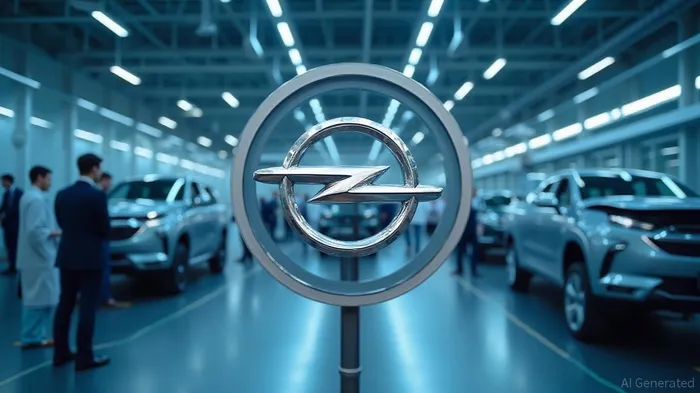
Opel, a German automaker under the Stellantis Group, is scaling back its plans to offer an all-electric lineup by 2028. The company will continue to offer hybrid and internal combustion engine vehicles based on demand, while focusing on its current "multi-energy" strategy. Opel was the first German brand to offer a fully electrified lineup, including electric, plug-in, and internal combustion engine vehicles.
Opel, a prominent German automaker under the Stellantis Group, has recently announced a significant shift in its electric vehicle (EV) strategy. The company, which initially planned to phase out internal combustion engine (ICE) vehicles by 2028, will now continue to offer hybrid and ICE vehicles based on market demand. This adjustment aligns with Opel’s current "multi-energy" strategy, which includes a mix of electric, plug-in hybrid, mild hybrid, and traditional ICE vehicles.The decision to extend the availability of ICE vehicles beyond 2028 was driven by customer demand, as reported by Opel. The company cited a need to meet the diverse preferences of its customers, who continue to seek traditional ICE vehicles alongside electrified options [2]. This flexibility allows Opel to maintain a broader range of offerings, potentially appealing to a wider customer base.
Opel's new strategy aligns with broader industry trends and the evolving needs of consumers. The company is not alone in this approach; other automakers, including Stellantis, are also investing in hybrid and plug-in hybrid technologies to balance the transition to electrified mobility [3]. Stellantis, for instance, has introduced a new 1.6-liter turbo hybrid powertrain for the 2026 Jeep Cherokee, demonstrating a commitment to hybrid technology that combines efficiency and performance [1].
Despite the delay in phasing out ICE vehicles, Opel remains committed to electrified mobility. The company has been at the forefront of introducing fully electrified models, including electric, plug-in hybrid, and mild hybrid vehicles. This strategic shift does not diminish Opel’s role as a pioneer in the German market for electrified vehicles [2].
The new strategy reflects Stellantis' broader approach to powertrain development. The group is investing in both electric and hybrid technologies to meet the diverse needs of its customers and regulatory requirements. For example, Stellantis has introduced two new four-cylinder engines, including a 1.6-liter turbo hybrid for the 2026 Jeep Cherokee, and an upgraded 2.0-liter GME-T4 Evo [3]. These powertrains are designed to offer a balance of performance, efficiency, and capability, ensuring that Stellantis remains competitive in the hybrid SUV segment.
In summary, Opel's revised strategy focuses on meeting customer demand for a mix of electrified and traditional ICE vehicles. This approach reflects a broader industry trend and Stellantis' commitment to offering a diverse range of powertrain solutions. By extending the availability of ICE vehicles, Opel aims to maintain a strong market position while continuing to invest in electrified mobility.
References:
[1] https://www.clubalfa.it/en/stellantis-1-6l-turbo-hybrid-delivers-power-and-efficiency-with-no-plug-24102
[2] https://www.bluewin.ch/en/news/opel-wants-to-sell-combustion-models-beyond-2839595.html
[3] https://www.clubalfa.it/en/stellantis-to-introduce-two-new-four-cylinder-engines-as-combustion-plans-advance-24087
Stay ahead of the market.
Get curated U.S. market news, insights and key dates delivered to your inbox.
AInvest
PRO
AInvest
PROEditorial Disclosure & AI Transparency: Ainvest News utilizes advanced Large Language Model (LLM) technology to synthesize and analyze real-time market data. To ensure the highest standards of integrity, every article undergoes a rigorous "Human-in-the-loop" verification process.
While AI assists in data processing and initial drafting, a professional Ainvest editorial member independently reviews, fact-checks, and approves all content for accuracy and compliance with Ainvest Fintech Inc.’s editorial standards. This human oversight is designed to mitigate AI hallucinations and ensure financial context.
Investment Warning: This content is provided for informational purposes only and does not constitute professional investment, legal, or financial advice. Markets involve inherent risks. Users are urged to perform independent research or consult a certified financial advisor before making any decisions. Ainvest Fintech Inc. disclaims all liability for actions taken based on this information. Found an error?Report an Issue


ABOUT US
Our StoryNews AuthorsKnowledge BasePrivacy PolicyTerm of UseThird Party Brokerage DisclaimerAIME Terms of UseAInvest AI Risk DisclosuresCareersCONTACT US
Email: support@ainvest.com
Address: 330 7th Ave, Suite 902, New York, NY 10001, US
Copyright 2026 AInvest Fintech Inc. All rights reserved.


Comments
No comments yet