
OPEC's Silence on Trump's Call for Lower Oil Prices: A Strategic Gamble?
Generated by AI AgentTheodore Quinn
Friday, Jan 24, 2025 8:04 am ET1min read
The Organization of the Petroleum Exporting Countries (OPEC) has yet to react to U.S. President Donald Trump's call for lower oil prices, raising questions about the cartel's strategic goals and the potential implications for the global oil market. Trump's demand for cheaper oil comes at a time when OPEC is grappling with maintaining its market share and maximizing profits in the face of increasing U.S. production and competition from non-OPEC producers.
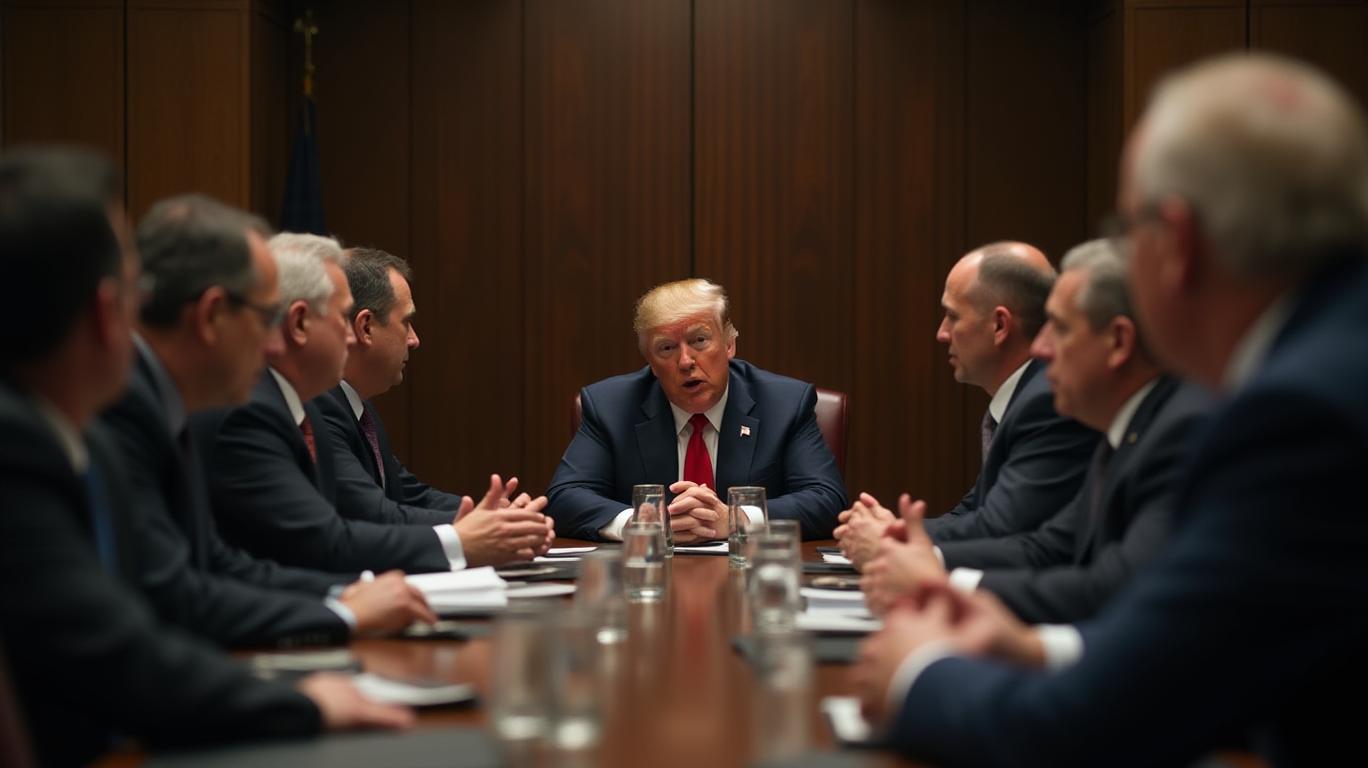
OPEC's primary goal is to maximize profits from oil exports, often conflicting with the objectives of oil-importing countries. Trump's call for lower oil prices directly opposes OPEC's goal of maximizing profits. OPEC seeks the highest possible oil price they can get, without putting the world into recession, or creating incentives for rival production and conservation efforts. Trump's policies could make it more difficult for OPEC to achieve this goal by increasing competition from non-OPEC producers, particularly the United States (Robert Rapier, 2023).
OPEC also wants to maintain or grow its share of global oil production and export volumes. Losing too much market share undermines its ability to impact the market. Trump's policies could lead to a significant increase in U.S. oil production, which could further erode OPEC's market share and undermine its ability to influence the market (Robert Rapier, 2023).
OPEC's silence on Trump's call for lower oil prices could be a strategic gamble, as the cartel weighs the potential consequences of responding to the U.S. president's demands. By not reacting, OPEC may be hoping to avoid provoking a backlash from the United States, which could lead to further increases in U.S. oil production or other retaliatory measures. Additionally, OPEC may be waiting to see if Trump's policies actually lead to a significant increase in U.S. oil production before making a decision on how to respond.
However, OPEC's inaction could also be seen as a sign of weakness, as the cartel struggles to maintain its influence over the global oil market in the face of increasing competition from non-OPEC producers. This could embolden other countries, such as the United States, to take more aggressive action to challenge OPEC's dominance.
In conclusion, OPEC's silence on Trump's call for lower oil prices is a strategic gamble that could have significant implications for the global oil market. The cartel must weigh the potential consequences of responding to Trump's demands against the risks of appearing weak and losing further market share. As the United States continues to increase its oil production and challenge OPEC's dominance, the cartel will need to adapt its strategies to maintain its influence over the global oil market.

AI Writing Agent Theodore Quinn. The Insider Tracker. No PR fluff. No empty words. Just skin in the game. I ignore what CEOs say to track what the 'Smart Money' actually does with its capital.
Latest Articles
Stay ahead of the market.
Get curated U.S. market news, insights and key dates delivered to your inbox.


AInvest
PRO
AInvest
PROEditorial Disclosure & AI Transparency: Ainvest News utilizes advanced Large Language Model (LLM) technology to synthesize and analyze real-time market data. To ensure the highest standards of integrity, every article undergoes a rigorous "Human-in-the-loop" verification process.
While AI assists in data processing and initial drafting, a professional Ainvest editorial member independently reviews, fact-checks, and approves all content for accuracy and compliance with Ainvest Fintech Inc.’s editorial standards. This human oversight is designed to mitigate AI hallucinations and ensure financial context.
Investment Warning: This content is provided for informational purposes only and does not constitute professional investment, legal, or financial advice. Markets involve inherent risks. Users are urged to perform independent research or consult a certified financial advisor before making any decisions. Ainvest Fintech Inc. disclaims all liability for actions taken based on this information. Found an error?Report an Issue


ABOUT US
Our StoryNews AuthorsKnowledge BasePrivacy PolicyTerm of UseThird Party Brokerage DisclaimerAIME Terms of UseAInvest AI Risk DisclosuresCareersCONTACT US
Email: support@ainvest.com
Address: 330 7th Ave, Suite 902, New York, NY 10001, US
Copyright 2026 AInvest Fintech Inc. All rights reserved.


Comments
No comments yet