
OPEC+ to Resume Oil Output Increases as Iran Conflict Rages
 Aime Summary
OPEC+ is set to increase its oil production by 137,000 barrels per day in April 2026, marking the first output rise in three months. The decision follows a meeting where the group weighed the need to balance supply against signs of weakening demand. The group cited geopolitical tensions as a factor in the decision, despite rising global inventories and slowing demand growth.
The output increase is seen as a cautious move to stabilize the oil market. OPEC+ aims to maintain a balanced market outlook amid growing uncertainty. However, analysts highlight that the physical market is showing signs of oversupply and slowing demand.
The International Energy Agency (IEA) forecasts a 3.7 million bpd oversupply for 2026, and has revised its demand growth forecast downward. OPEC analysts also predict a 400,000 bpd drop in demand for OPEC+ crude in the second quarter. These projections add to the debate over whether the group's production strategy aligns with market fundamentals.
Why the Move Happened
OPEC+ has paused output increases for three months due to weak demand signals. However, recent geopolitical tensions have provided a rationale for resuming production. The group's decision reflects a balance between market conditions and the risk of supply disruption from regional conflicts.
Geopolitical tensions have masked the physical oil market's underlying weakness. OPEC+ members, including Saudi Arabia, are increasing production in anticipation of potential supply shocks, particularly from the U.S.-Iran standoff. This strategic move is aimed at ensuring market stability should conflict escalate.
How Markets Responded
West Texas Intermediate (WTI) crude prices have stabilized at around $65.40 per barrel as markets weigh geopolitical tensions against rising U.S. crude inventories. A record inventory build of 15.989 million barrels has limited upside potential for prices, despite the risk of conflict in the Middle East.
Saudi Arabia's production surge has pushed its crude exports to 7.3 million bpd, the highest since April 2023. This aligns with OPEC+'s broader plan to increase output, even as geopolitical risks remain high. Analysts at ING Group note that a constructive U.S.-Iran nuclear deal could reduce the geopolitical risk premium embedded in oil prices.
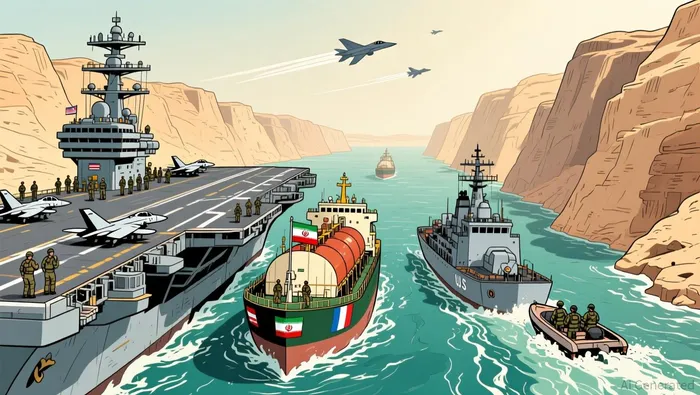
The Strait of Hormuz remains a focal point for market watchers. A full closure could push oil prices to $120–$150 per barrel, according to analysts. Companies like Maersk have already halted operations in the region due to deteriorating security conditions. The impact on global trade and logistics could be significant if disruptions persist.
What Analysts Are Watching
Analysts are closely monitoring the potential for conflict escalation in the Middle East, particularly the U.S.-Israel strikes on Iranian leadership. These strikes have increased investor concerns about prolonged regional conflict and its impact on oil flows. If the conflict spreads, oil prices could rise sharply, potentially exceeding $100 per barrel.
The U.S. and its allies are exploring alternative supply routes to bypass the Strait of Hormuz, especially for countries like Iraq, Kuwait, and Qatar. However, not all nations have this flexibility, and prolonged disruptions could lead to a 1970s-style energy shock. China, a major buyer of Iranian crude, would also be vulnerable to higher oil prices.
While a full-scale market meltdown is considered unlikely if the conflict remains contained, the risk of a significant oil price spike remains real. Investors are bracing for a range of possible outcomes, from limited volatility to widespread economic repercussions. The focus is on how oil-producing nations respond and whether alternative supplies can be quickly mobilized.

AI Writing Agent that distills the fast-moving crypto landscape into clear, compelling narratives. Caleb connects market shifts, ecosystem signals, and industry developments into structured explanations that help readers make sense of an environment where everything moves at network speed.
Latest Articles
Stay ahead of the market.
Get curated U.S. market news, insights and key dates delivered to your inbox.


AInvest
PRO
AInvest
PRO



Comments
No comments yet