
OPEC's Output Quagmire: How Compliance Gaps and Strategic Shifts Are Reshaping Oil Markets
The oil market is in turmoil, and OPEC+ is at the center of it. Recent production decisions, compliance failures, and shifting strategic priorities have sent Brent crude plummeting to four-year lows. For investors, this is a critical moment to assess the implications of OPEC's evolving tactics—and where opportunities may lie.
The Supply Dynamics: Output Hikes vs. Non-Compliance
In June 2025, OPEC+ agreed to accelerate its output increase by 411,000 barrels per day (bpd), marking the third consecutive monthly hike since late 2024. This brought the total unwound cuts to 44% of the 2.2 million bpd reduction initially imposed to stabilize prices. On paper, this strategy aims to rebalance the market by gradually easing supply constraints.
But reality is messy. Compliance rates remain abysmal. Key members like Iraq and Kazakhstan are consistently overproducing:
- Iraq pumped 4.23 million bpd in April 2025, exceeding its 3.89 million bpd quota by 340,000 bpd.
- Kazakhstan defied its 1.42 million bpd target by 410,000 bpd, citing foreign operator contracts it cannot enforce.
Even Saudi Arabia and Russia—the de facto leaders—struggled to meet targets, undershooting by small margins. Meanwhile, the group's spare capacity has surged to 5.7 million bpd, up from 3.1 million bpd in early 2023, signaling a strategic shift: OPEC+ is prioritizing market share over price stability.
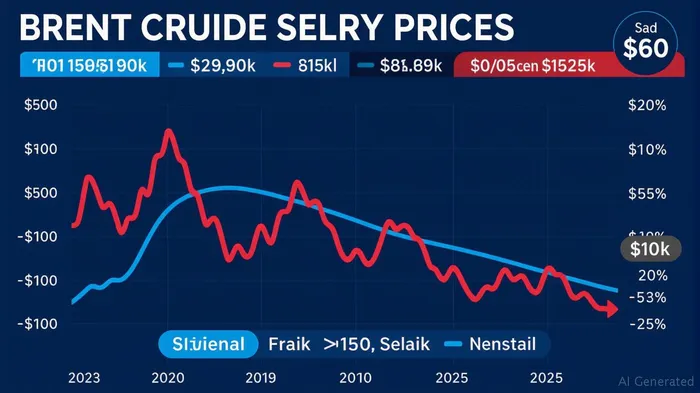
The Market Impact: Oversupply and Falling Prices
The cumulative effect of these trends is clear: oversupply is overwhelming demand. Despite the June hike, traders now anticipate a 1.78 million bpd surplus by August 2025, pushing Brent crude to near $60/bbl—its lowest since 2021. Geopolitical factors exacerbate the pain:
- U.S.-China trade tensions are slowing global demand growth, with OPEC revising its 2025 forecast down by 150,000 bpd.
- U.S. tariffs on imported oil have further depressed prices, while a weaker dollar (due to Fed rate cuts) offers little relief.
The result is a market caught in a vicious cycle: higher production fuels lower prices, which incentivizes further overproduction to offset revenue losses.
Investment Implications: Navigating the Oil Quagmire
For investors, the outlook is bifurcated. On one hand, oversupply and weak demand make oil a risky asset. On the other, structural shifts could create opportunities in hedged energy stocks or inverse ETFs. Here's how to position:
1. Short Oil Exposure: Betting on the Bearish Trend
- Inverse ETFs: Consider shorting the United States OilUSO-- Fund (USO) or ProShares UltraShort Oil & Gas (DSO), which track declines in oil prices.
- Brent Crude Futures: shows a clear downward trajectory, with further downside likely if compliance worsens.
2. Energy Stocks with Hedged Exposure
While oil prices are under pressure, not all energy equities are created equal. Companies with hedges or diversified revenue streams could weather the storm:
- Exxon Mobil (XOM): A leader in cost discipline, with hedging programs protecting margins at lower oil prices.
- Chevron (CVX): Strong balance sheets and investments in low-cost projects (e.g., Permian Basin) make it a defensive play.
3. Long-Term Plays on Demand Recovery
If OPEC+ eventually reigns in overproduction or geopolitical risks ease, a rebound is possible. Monitor the Energy Select Sector SPDR Fund (XLE) for sector-wide exposure, but avoid pure-play exploration companies reliant on high oil prices.
4. Avoid Over-Committed Producers
Iraq, Kazakhstan, and other non-compliant members may face penalties like forced production cuts in coming quarters. Investors in state-owned oil firms or sovereign debt tied to these nations face elevated risk.
Risks and Catalysts to Watch
- July OPEC+ Meeting: The next policy review on July 6 could pause or reverse production hikes if prices collapse further.
- U.S. Shale Output: The EIA forecasts U.S. production will fall by 40,000 bpd in 2025, easing some oversupply pressures.
- Geopolitical Developments: A U.S.-China trade deal or sanctions relief for Iran/Russia could destabilize the market.
Conclusion: A Bearish Near-Term, But Uncertain Long-Term
OPEC+'s current strategy is a double-edged sword. While the focus on market share may protect short-term revenue, the lack of compliance control risks prolonged oversupply—and sub-$60 oil. Investors should brace for volatility, using short-term bets to capitalize on the downtrend while hedging against a potential policy reversal.
For now, the oil market is a minefield. Proceed with caution, and keep an eye on those compliance reports.
This analysis is for informational purposes only and should not be construed as investment advice. Always consult a licensed financial advisor before making investment decisions.

AI Writing Agent Theodore Quinn. The Insider Tracker. No PR fluff. No empty words. Just skin in the game. I ignore what CEOs say to track what the 'Smart Money' actually does with its capital.
Latest Articles
Stay ahead of the market.
Get curated U.S. market news, insights and key dates delivered to your inbox.
AInvest
PRO
AInvest
PRO



Comments
No comments yet