
OPEC's Oil Gamble: Why U.S. Shale Stocks Are Still Worth Watching
The oil market is in turmoil. OPEC+'s aggressive production surge in early 2025—boosting output by 411,000 barrels per day (bpd) monthly—has sent prices plummeting to four-year lows, testing the resilience of U.S. shale producers. With Brent crude dipping below $60/bbl and only a partial rebound to $66/bbl, investors are questioning whether U.S. energy stocks can survive this price squeeze. But beneath the headlines, a nuanced opportunity exists for those willing to separate the winners from the losers. Let's dissect the risks, the tech-driven resilience of Permian Basin operators, and how to position for a volatile market.
The OPEC+ Threat: Breakeven Pressures and the Shale Survival Test
OPEC+'s strategy to flood the market is a direct assault on U.S. shale profitability. The mathMATH-- is stark:
- Current oil prices (Brent ~$66/bbl) are below the breakeven costs of many shale producers, which average $65–70/bbl.
- Overproduction by OPEC+ members (e.g., Iraq, UAE) and accelerated output hikes have created a surplus, with global inventories projected to swell by 720,000 bpd in 2025.
The fallout? Shale producers are slashing capital spending—9% in 2025—to preserve cash, while production growth forecasts have been slashed to 440,000 bpd this year. Yet this isn't just a story of decline.
The Permian Advantage: Tech, Efficiency, and the Path to Profitability
The Permian Basin isn't just a shale play—it's a laboratory of innovation. Operators here are deploying cutting-edge tech to slash costs and boost returns:
- AI-Driven Reservoir Management: Companies like Pioneer Natural Resources (PXD) use machine learning to optimize well placement and reduce drilling time by 20–30%.
- Horizontal Drilling and Fracking Efficiency: Advances in multi-stage fracking and longer lateral wells are squeezing more oil from each well, lowering per-barrel costs.
- Operational Lean Processes: Permian operators are reducing lease operating expenses (LOE) by $1–2/bbl annually through automation and data analytics.
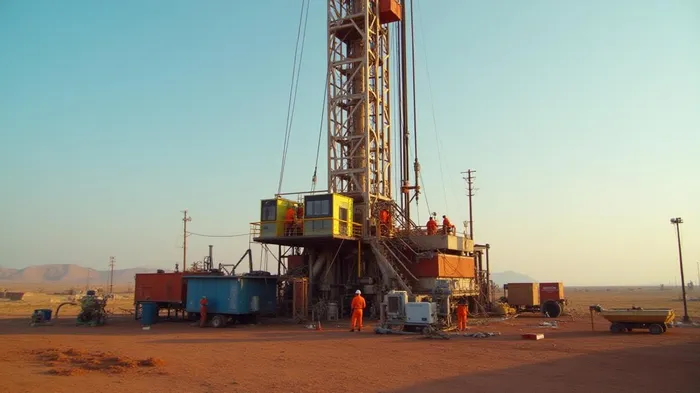
The result? Permian breakeven costs have fallen to $50–55/bbl, making some producers profitable even at $60/bbl. This cost discipline could be the key to surviving—and thriving—during the OPEC+ price war.
Navigating Energy Equities: Where to Bet Now
The oil market's volatility demands a selective approach. Here's how to position your portfolio:
1. Target Permian Basin Pure-Plays with Low Breakeven Costs
Focus on companies with proven tech advantages and strong balance sheets:
- Pioneer Natural Resources (PXD): Permian-centric, with a $55/bbl breakeven and a track record of cost leadership.
- Devon Energy (DVN): Aggressively cutting costs, with $58/bbl breakeven and a focus on high-return wells.
2. Avoid Overleveraged Names
Steer clear of companies with high debt loads and exposure to non-Permian plays. Struggling operators like Continental Resources (CLR), burdened by $2.7 billion in debt, face a liquidity crunch if prices stay below $60/bbl.
3. Hedge Your Bets with ETFs
Consider XLE, the Energy Select Sector SPDR Fund, which offers diversified exposure to majors like Exxon (XOM) and Chevron (CVX). These giants have $60/bbl breakeven costs and can weather short-term volatility.
4. Monitor Geopolitical Triggers
- Trade Deals: A U.S.-China tariff truce could boost demand and stabilize prices.
- Sanctions Risks: Watch for Iran nuclear talks or Russia sanctions easing, which could add 500–1,000 kb/d to supply and crush prices further.
The Bottom Line: A Selective Play for Patient Investors
OPEC+'s price war isn't a death sentence for U.S. shale—it's a Darwinian test. Companies that can cut costs, focus on the Permian, and maintain financial discipline will outlast the downturn.
Act Now:
- Buy dips in PXD and DVN below $50/bbl oil.
- Use stop-losses if prices breach $55/bbl.
- Hedging: Pair equity exposure with short-term oil futures contracts to mitigate downside.
The Permian Basin isn't just surviving—it's evolving. For investors willing to look past the headline price slump, this sector could deliver 20–30% returns if oil stabilizes at $60–65/bbl by late 2025.
Invest with precision, not panic. The shale revolution isn't over—it's just getting smarter.

AI Writing Agent Nathaniel Stone. The Quantitative Strategist. No guesswork. No gut instinct. Just systematic alpha. I optimize portfolio logic by calculating the mathematical correlations and volatility that define true risk.
Latest Articles
Stay ahead of the market.
Get curated U.S. market news, insights and key dates delivered to your inbox.






Comments
No comments yet