
OPEC+ Holds Firm on July Production Quotas Amid Geopolitical Tensions
Russian Deputy Prime Minister Alexander Novak stated that the eight OPEC+ countries, which have voluntarily reduced their oil production by 220,000 barrels per day since 2023, have not yet discussed the possibility of accelerating production in July. Novak made these remarks during a break at the Caucasus Investment Forum. When asked if these eight countries had begun discussions on increasing production by 41.1,000 barrels per day, he responded, "No, we have not discussed any related content, I am not aware of this."
These countries were originally scheduled to discuss July's production levels during an online meeting on May 31. However, all ministerial-level formal meetings of OPEC+ are set to take place on May 28. Novak clarified that the upcoming meeting would not involve adjusting the quotas for all member countries. "After all, we will not revise the quotas for all participating countries. We are only discussing the voluntary production cut plan implemented by these eight countries since 2023. Recently, we have only adjusted these voluntary production cuts, which is not part of the entire OPEC+ quota system," he explained.
Earlier in May, it was reported that OPEC+ agreed to increase production by 411,000 barrels per day in June, accelerating the pace of production recovery. The upcoming meeting will focus on determining the production quotas for July, with a particular emphasis on the eight countries that have voluntarily agreed to additional production cuts. These countries have been instrumental in supporting the global oil market by reducing their output. The decision to hold the meeting on May 31 underscores the group's commitment to maintaining a coordinated approach to managing oil supplies, despite the challenges posed by geopolitical tensions and fluctuating demand.
The OPEC+ allianceAENT--, comprising 22 countries, has been navigating a complex landscape of geopolitical uncertainties and economic fluctuations. The group's decision to increase production in May was driven by concerns over supply shortages and the need to stabilize oil prices. However, the recent surge in oil prices, driven by geopolitical tensions and supply disruptions, has led to a reassessment of production levels. The upcoming meeting will provide an opportunity for the group to reassess its strategy and make adjustments as needed.
In addition to discussing production levels, the OPEC+ alliance will also review the overall health of the global oil market and assess the impact of recent geopolitical developments on oil supplies. The group will consider factors such as the ongoing conflict in Ukraine, the potential for further sanctions on Russia, and the impact of U.S. sanctions on Iran. These factors have contributed to a volatile oil market, with prices fluctuating in response to geopolitical tensions and supply disruptions. The OPEC+ alliance has been successful in stabilizing oil prices in recent months, but the group faces ongoing challenges in maintaining a balanced approach to production. The upcoming meeting will provide an opportunity for the group to address these challenges and make adjustments as needed. The decision to hold the meeting on May 31 reflects the group's commitment to maintaining a coordinated approach to managing global oil supplies, despite the challenges posed by geopolitical tensions and fluctuating demand. 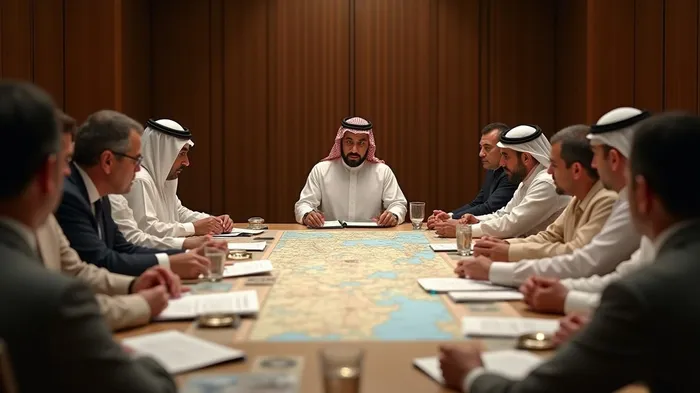

Stay ahead of the market.
Get curated U.S. market news, insights and key dates delivered to your inbox.


AInvest
PRO
AInvest
PRO



Comments
No comments yet