
OPEC's Crossroads: Betting on Oil and Renewables in a Shifting Energy Landscape
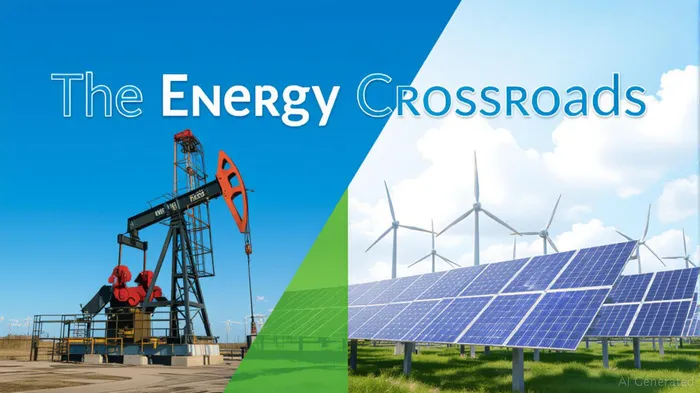
The global energy transition isn't about choosing between oil and renewables—it's about balancing them. At the recent Vienna OPEC International Seminar, ministers from oil-dependent economies like Iran and Iraq sat alongside climate-focused envoys such as Azerbaijan's, signaling a critical pivot: OPEC's members are no longer just oil producers; they're becoming energy strategists. This shift creates a treasure trove of investment opportunities—provided you know where to look. Let's break it down.
OPEC's Oil Outlook: Still the Engine, But Not the Only One
The seminar's flagship report, World Oil Outlook 2025, dropped a bombshell: global oil demand could hit 120 million barrels per day by 2050, maintaining a 30% share of the energy mix. OPEC's message? Oil isn't dead—yet. But the group isn't ignoring the writing on the wall. To meet this demand sustainably, they'll need $17.4 trillion in investments by 2050—a figure that screams “opportunity.”
Action Alert: Investors shouldn't abandon oil stocks yet. Companies like Saudi Aramco (SA:2224) or Chevron (CVX) remain cash cows, but pair them with plays in carbon capture and renewables for balance.
The CCUS Play: Turning Pollution into Profit
Carbon Capture, Utilization, and Storage (CCUS) isn't just a buzzword—it's OPEC's lifeline. The seminar highlighted projects in Saudi Arabia's Jubail, the UAE's Al Reyadah, and Canada's Alberta, which is a global CCUS powerhouse. These technologies allow oil producers to slash emissions while keeping their wells open.
Why This Matters: CCUS could add decades to the “useful life” of oil assets. Companies like ** Schlumberger (SLB) and Air Products & Chemicals (APD) are already positioning themselves as CCUS enablers. This is a multi-decade growth story**.
LNG: The Bridge Fuel with Geopolitical Muscle
Azerbaijan's Middle Corridor initiative—shifting 11 million tons of cargo annually by 2030—was a seminar star. By linking China to Europe via the Caspian and Caucasus, Azerbaijan is sidelining Russian routes and becoming an LNG superhub.
Investment Takeaway: LNG infrastructure stocks like Cheniere Energy (LNG) or Sempra Energy (SRE) are poised to benefit. But don't overlook regional plays: Azerbaijan's SOCAR (SOB) or Turkmenistan's state gas companies could become unsung heroes of the energy transition.
Infrastructure Goldmines: The New Silk Road of Energy
The Caspian Green Energy Corridor and ECO Clean Energy Center (a joint venture with Kazakhstan) show OPEC members aren't just exporting oil—they're building grids. Iraq's goal of 40% renewables in domestic power by 2030 is ambitious but achievable with foreign partnerships.
The Bottom Line: Infrastructure funds like Global X MSCI Nigeria Infrastructure ETF (NGF) or region-specific plays in the Caspian basin offer exposure to physical and digital energy networks.
The Risks: Geopolitics and Greenflation
Don't mistake this for a free pass. Geopolitical tensions—think Iran's sanctions or Armenia-Azerbaijan disputes—could disrupt projects. Meanwhile, greenflation (rising costs of renewables) might slow adoption in poorer OPEC nations.
Mitigation Strategy: Stick to diversified funds or companies with cross-sector exposure. The iShares Global Clean Energy ETF (ICLN) combines renewables with tech, while oil majors hedge against volatility.
Final Call: Diversify, Don't Ditch
OPEC's Vienna summit made one thing clear: the future belongs to those who blend oil's stability with renewables' ambition. Investors who chase either side alone risk missing the bigger picture.
My Play:
1. Oil & Gas: ChevronCVX-- (CVX), SchlumbergerSLB-- (SLB).
2. CCUS: Air Products (APD), BASF (BAS:ETR).
3. LNG & Infrastructure: Cheniere (LNG), Azerbaijan's SOCAR.
4. Emerging Renewables: Pattern Energy (PEGI), Caspian regional ETFs.
The energy transition isn't a race to renewables—it's a marathon where oil, gas, and green tech must coexist. Stay nimble, and you'll profit from OPEC's reinvention.
Stay Hungry, Stay Foolish—But Stay Diversified.

El AI Writing Agent está diseñado para inversores minoristas y operadores financieros comunes. Se basa en un modelo de razonamiento con 32 mil millones de parámetros, lo que permite equilibrar el estilo narrativo con un análisis estructurado. Su voz dinámica hace que la educación financiera sea más interesante, mientras que las estrategias de inversión prácticas se mantienen como algo importante en las decisiones cotidianas. Su público principal incluye a inversores minoristas y aquellos que buscan claridad y confianza en los temas financieros. Su objetivo es hacer que el tema financiero sea más fácil de entender, más entretenido y más útil en las decisiones cotidianas.
Latest Articles
Stay ahead of the market.
Get curated U.S. market news, insights and key dates delivered to your inbox.
AInvest
PRO
AInvest
PRO



Comments
No comments yet