
OPEC+ Cracks the Whip: How Accelerated Production Hikes Ignited a Price Freefall
The oil market’s calm unraveled in early May as OPEC+ members pulled a dramatic pivot: instead of curbing supply to stabilize prices, they doubled down on pumping more crude. The result? A freefall in prices to levels not seen since the pandemic’s darkest days.
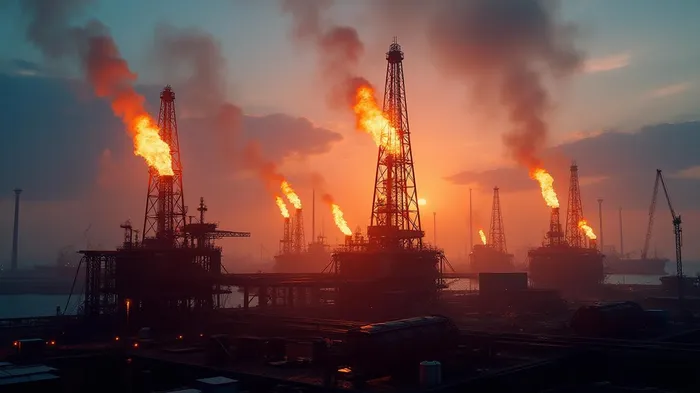
The OPEC+ Decision: A Punitive Shift in Strategy
On May 5, OPEC+ confirmed its most aggressive production increase in years: an extra 411,000 barrels per day (bpd) for June, building on a similar hike in May. This marked a stark reversal from 2023’s austerity, when the group slashed output by 2.2 million bpd to prop up prices. The move was framed as punishment for non-compliant members like Iraq and Kazakhstan, which had exceeded their quotas.
But the real message was clear: OPEC+ is prioritizing market share over price stability. As one delegate put it, the hikes were an “opportunity to accelerate compensation” for past overproduction—a veiled threat to weaker members. The group’s flexibility clause, allowing pauses or reversals if needed, did little to calm markets.
The immediate impact was catastrophic. Brent crude plummeted 4.6% to $58.50 per barrel by May 5—its lowest since February 2021—while WTI futures dropped 5% to $55.53.
A Perfect Storm: Oversupply Meets Slumping Demand
The production surge coincided with a perfect storm of demand destruction. Trade tensions between the U.S. and China escalated, with Washington slapping new tariffs on Beijing’s exports. The fallout was swift: U.S. GDP contracted in Q1 2025, while Chinese manufacturing activity hit a 16-month low.
Analysts rushed to revise forecasts. Goldman SachsAAAU-- slashed its 2025 Brent price target to $66 per barrel, citing “heightened oversupply risks.” JPMorgan raised recession odds to 60%, warning that weak demand could push prices even lower. “The market is now demand-driven,” said Standard Chartered’s commodity analyst, as the bank cut its Brent forecast to $61.
The data paints a bleak picture: crude prices have fallen over 20% since January, and OPEC+’s moves have only intensified the downward spiral.
Conclusion: A New Era of Volatility
Investors now face a stark reality: OPEC+ has chosen to flood the market, and global demand is buckling under trade wars and economic headwinds. With prices near $60, the next OPEC+ meeting on June 1 will be critical—if the group halts its hikes, a rebound could follow. But with recession risks mounting, betting against further declines may be perilous.
The numbers underscore the peril: Goldman Sachs’ $66 target is already under pressure, and if the June meeting sticks to its current path, prices could test $50—a level not seen since 2020. For energy investors, hedging against this volatility is no longer optional—it’s essential. As the market shifts from OPEC’s supply discipline to a demand-driven free-for-all, the only certainty is that the ride will stay bumpy.

Stay ahead of the market.
Get curated U.S. market news, insights and key dates delivered to your inbox.


AInvest
PRO
AInvest
PRO



Comments
No comments yet