
OPEC+ Boosts Oil Production by 41.1 Million Barrels Daily
The second round of talks between Russia and Ukraine began over the weekend, marking a significant development in the ongoing conflict. These negotiations, held in Turkey, were the first face-to-face discussions between the two nations since the start of the conflict. The talks focused on critical issues such as a ceasefire, the establishment of humanitarian corridors, and the status of Ukrainian territories that Russia has annexed. Although no concrete agreements were reached, the talks were viewed as a positive step towards de-escalation. Both sides have expressed a willingness to continue the dialogue, with further negotiations expected in the coming days.
Elon Musk, the CEO of TeslaTSLA-- and SpaceX, has announced his departure from the government efficiency department, known as DOGE. Musk, who has been a vocal critic of government bureaucracy, cited personal reasons for his decision. Despite stepping down from his role, Musk will continue to advise the Trump administration on various issues. His departure signifies a notable shift in the government's approach to efficiency and innovation, coming at a time when there is increasing pressure to streamline operations and reduce waste.
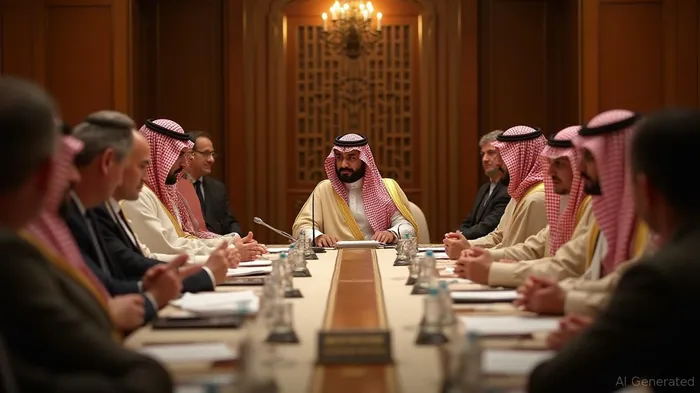
The OPEC+ group, which includes key oil-producing nations such as Saudi Arabia and Russia, has decided to increase oil production by 41.1 million barrels per day starting in July. This decision is in response to the anticipated rise in global oil demand, particularly in the Northern Hemisphere. The increase in production is aimed at stabilizing the global oil market and preventing prices from rising too high. However, some analysts have raised concerns that this increase could lead to an oversupply of oil, potentially driving down prices and negatively impacting oil-producing countries. The decision to boost production was made despite opposition from some OPEC+ members, who argued that the increase was too large and could destabilize the market.
Donald Trump has announced plans to raise tariffs on steel and aluminum imports to 50% from 25%. This move is part of Trump's efforts to protect American workers and industries from foreign competition. The tariffs, set to take effect on June 4, are expected to have a significant impact on the global steel and aluminum markets. The European Union has criticized the decision, warning that it could escalate into a trade war and harm both American and European economies. Trump's decision comes at a time when the global economy is already facing significant challenges, including the ongoing conflict in Ukraine and the COVID-19 pandemic. The tariffs are likely to increase the cost of steel and aluminum for American manufacturers, potentially leading to job losses and higher prices for consumers.

Stay ahead of the market.
Get curated U.S. market news, insights and key dates delivered to your inbox.


AInvest
PRO
AInvest
PRO



Comments
No comments yet