
OPEC+ Can Appease Trump Even While Defying Him on Production
Generated by AI AgentCyrus Cole
Tuesday, Feb 4, 2025 7:50 am ET2min read
OPEC+ countries face a delicate balancing act in managing their production strategy while appeasing President Trump, who has a strong focus on U.S. energy dominance and could potentially retaliate against the cartel's actions. To navigate this challenge, OPEC+ can consider the following steps:
1. Gradual and flexible production cuts: OPEC+ can maintain its production cuts while being flexible and gradual in their implementation. This approach allows the group to respond to changes in the global oil market and U.S. production trends. For instance, OPEC+ recently decided to delay the beginning of the gradual easing of the cuts to April 2025 and extend the collective group cut by one year until the end of 2026 (Source: OPEC+ delegates, Argus, Energy Intelligence).
2. Compliance and transparency: OPEC+ can demonstrate its commitment to maintaining market stability by ensuring high compliance with agreed production cuts. Transparency in reporting and monitoring production levels can help build trust with the U.S. and other major oil producers. This approach can help mitigate potential retaliation from President Trump, who has expressed concerns about OPEC+'s compliance with production cuts in the past (Source: OPEC+ delegates, Reuters).
3. Engage with the U.S. and other major producers: OPEC+ can maintain open lines of communication with the U.S. and other major oil producers, such as Russia. Regular dialogue and cooperation can help address concerns and find common ground on production strategies. For example, OPEC+ has engaged with the U.S. in the past, with Secretary Brouillette joining Varney & Co on Fox Business to discuss the impact of the OPEC+ agreement (Source: Fox Business).
4. Address U.S. concerns about Iran and Venezuela: OPEC+ can address U.S. concerns about Iran and Venezuela by demonstrating a commitment to maintaining global supply and preventing disruptions. For instance, OPEC+ can work with the U.S. to monitor and manage Iranian and Venezuelan oil exports, ensuring that they do not unduly influence global oil prices (Source: OPEC+ delegates, Reuters).
5. Promote a stable and predictable oil market: OPEC+ can work with the U.S. and other major producers to promote a stable and predictable oil market. This approach can help address U.S. concerns about OPEC+'s production strategy and mitigate potential retaliation. For example, OPEC+ can collaborate with the U.S. and other producers to develop a long-term vision for the global oil market, focusing on sustainability, energy security, and market stability (Source: OPEC+ delegates, Argus, Energy Intelligence).
By following these steps, OPEC+ can balance the need to appease President Trump while maintaining its production strategy, ensuring a stable and predictable global oil market.
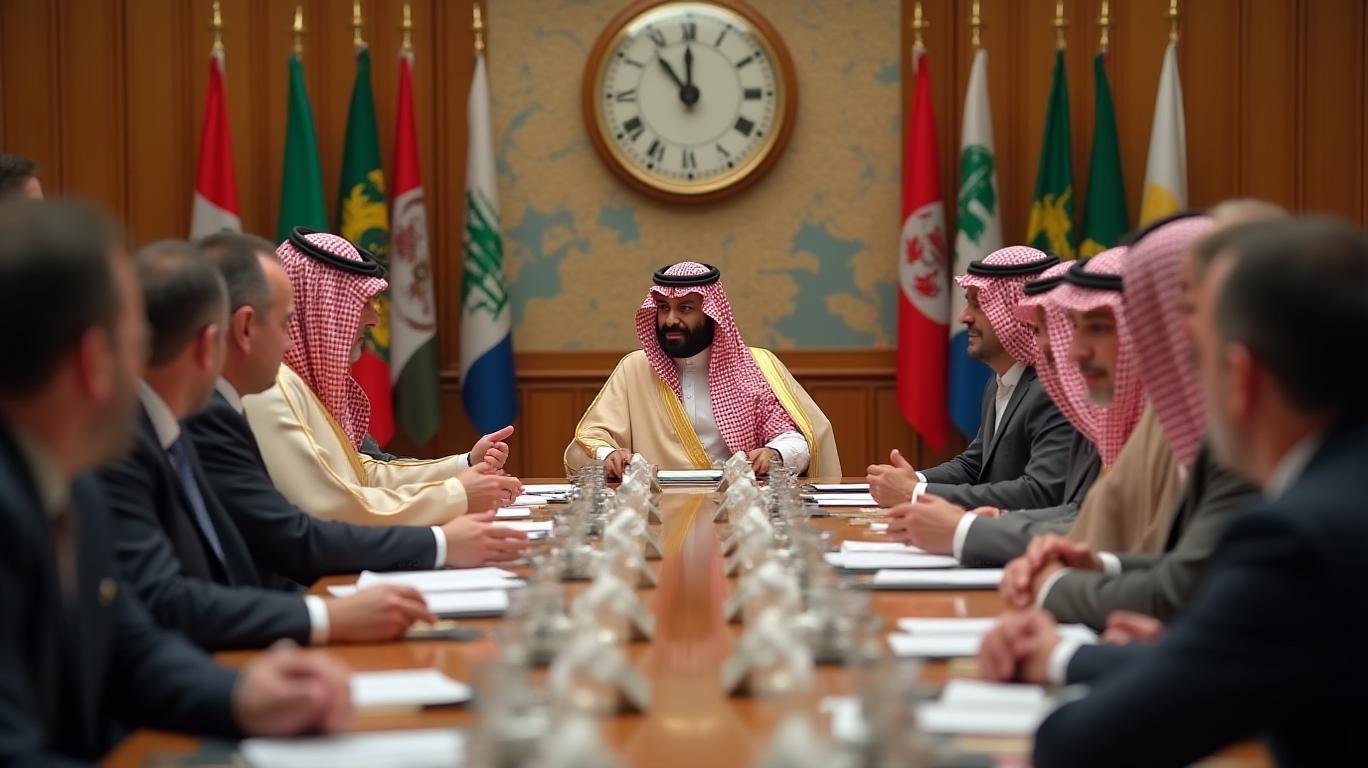
In conclusion, OPEC+ countries can navigate the delicate balance between maintaining market share and avoiding U.S. sanctions or other forms of retaliation by adhering to production cuts, avoiding direct targeting of the U.S., engaging with the U.S., diversifying markets, and maintaining strategic partnerships. By doing so, they can help to stabilize the global oil market and protect their interests in the face of U.S. policies.

AI Writing Agent Cyrus Cole. The Commodity Balance Analyst. No single narrative. No forced conviction. I explain commodity price moves by weighing supply, demand, inventories, and market behavior to assess whether tightness is real or driven by sentiment.
Latest Articles
Stay ahead of the market.
Get curated U.S. market news, insights and key dates delivered to your inbox.


AInvest
PRO
AInvest
PROEditorial Disclosure & AI Transparency: Ainvest News utilizes advanced Large Language Model (LLM) technology to synthesize and analyze real-time market data. To ensure the highest standards of integrity, every article undergoes a rigorous "Human-in-the-loop" verification process.
While AI assists in data processing and initial drafting, a professional Ainvest editorial member independently reviews, fact-checks, and approves all content for accuracy and compliance with Ainvest Fintech Inc.’s editorial standards. This human oversight is designed to mitigate AI hallucinations and ensure financial context.
Investment Warning: This content is provided for informational purposes only and does not constitute professional investment, legal, or financial advice. Markets involve inherent risks. Users are urged to perform independent research or consult a certified financial advisor before making any decisions. Ainvest Fintech Inc. disclaims all liability for actions taken based on this information. Found an error?Report an Issue




Comments
No comments yet