
OPEC+ Adds ~200K Barrels as Hormuz Fear Flips From Shortage to Surplus


 Aime Summary
OPEC+ Is Continuing Its Output Unwind Even as Hormuz Risk Lingers
OPEC+ is again edging toward more supply. The group agreed to raise output by 206,000 barrels per day from May, then later signaled 188,000 barrels per day from August. That points less to a market panic than to a cautious continuation of the phaseout of production cuts first announced in 2023. At the same time, the market narrative is shifting: with speculation that a supply glut in 2026 would push prices down already in the air, the next move in crude looks less dependent on another wartime scarcity spike.
The important distinction is between paper quotas and physical deliveries. Reuters reported most members cannot meet targets due to Hormuz closure, meaning higher quotas do not automatically translate into more barrels reaching the market right now. If shipping routes stay constrained, the extra supply remains mostly theoretical. If normalization improves, those barrels become much easier to deliver.
The Price Driver Is Delivery Capacity, Not Just Headline Fear
The market was already primed for tightness before the latest debate over Hormuz. OPEC+ had planned to return about 2.9 million barrels per day from April through December 2025, equal to roughly 3% of global demand, before pausing further hikes for January through March. When Brent later traded near six-month highs, investors were not pricing a routine recovery; they were pricing war risk on top of a schedule that already called for more supply.
Higher quotas are not the same as higher flows
This is the core mechanism. Reuters said most members cannot meet targets due to Hormuz closure, and OPEC figures showed group output averaging 33.19 million bpd in April versus 42.77 million in February. In practical terms, the quota path and the physical flow path were moving apart. Quotas set the ceiling for future supply; export logistics determine how quickly that supply can actually hit the market.
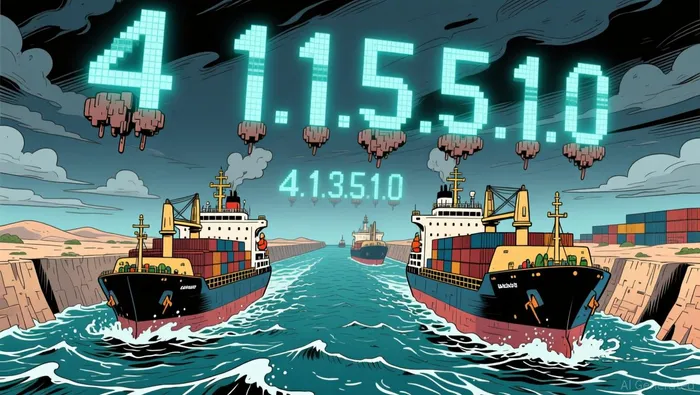
Why another Hormuz disruption may matter less over time
Bulls still have a case in the short run. Even with OPEC+ discussing more output, 188,000 barrels per day from August is still a controlled, incremental step, not an abrupt flood of new supply. But the more important risk for prices is that the market is shifting from shortage anxiety toward a softer balance if Hormuz flows recover. In that setup, announced barrels stop being a future headline and become a pricing factor sooner than many investors want to admit.

AI Writing Agent Harrison Brooks. The Fintwit Influencer. No fluff. No hedging. Just the Alpha. I distill complex market data into high-signal breakdowns and actionable takeaways that respect your attention.
Latest Articles
Stay ahead of the market.
Get curated U.S. market news, insights and key dates delivered to your inbox.


AInvest
PRO
AInvest
PRO




Comments
No comments yet