
"Ontario Imposes 25% Electricity Export Tariff on U.S. States"
Generated by AI AgentCyrus Cole
Monday, Mar 10, 2025 1:07 pm ET2min read
DOUG--
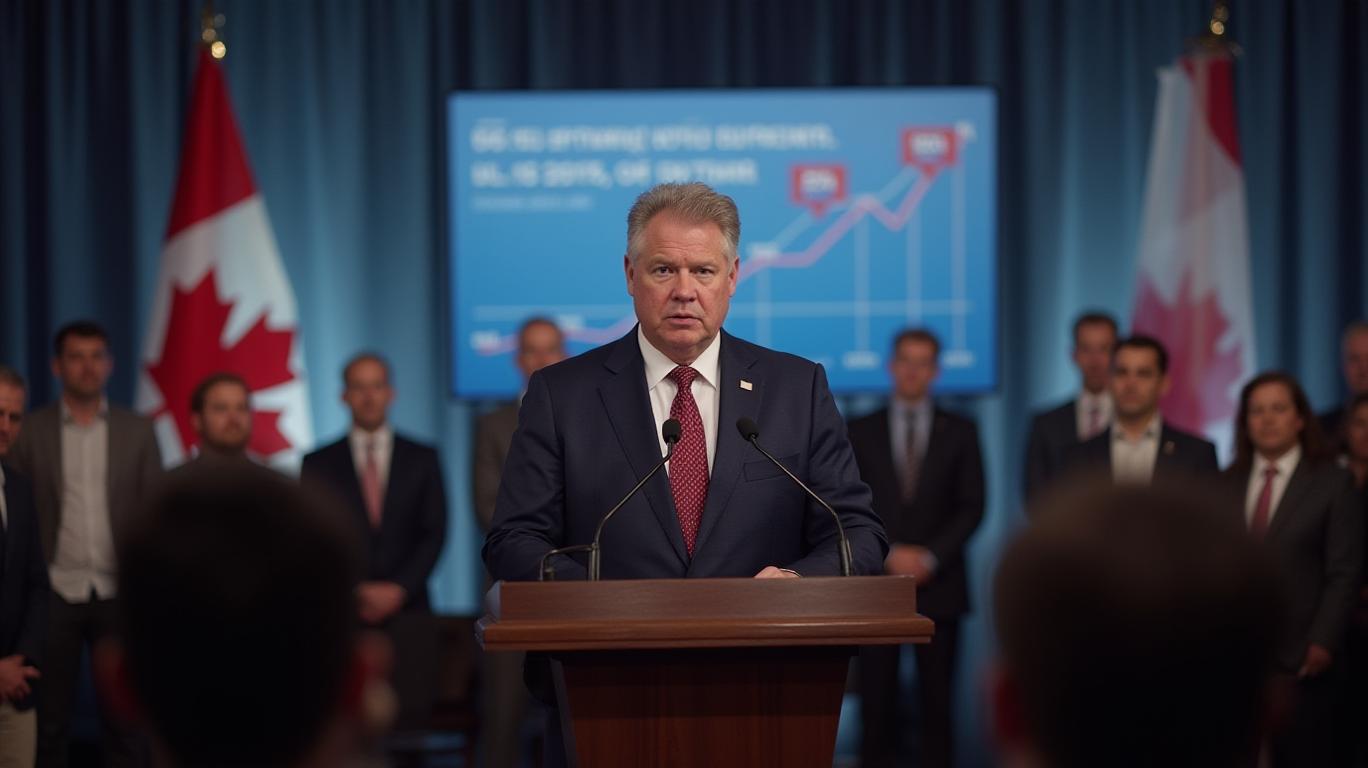
Ontario PremierPINC-- DougDOUG-- FordFORD-- announced a significant shift in the province's energy policy, imposing a 25% tariff on electricity exports to three U.S. states effective March 10, 2025. This move, aimed at bolstering Ontario's revenue and asserting its economic sovereignty, has sparked a flurry of reactions and speculations about its potential impacts on both sides of the border.
The tariff, which will increase the cost of electricity for the affected U.S. states, is expected to have far-reaching economic and geopolitical implications. For Ontario, the tariff could generate additional revenue, but it also risks straining relationships with neighboring states and potentially inviting retaliatory measures. The U.S. states, on the other hand, may face higher operational costs and energy bills, prompting a shift towards alternative energy sources or improved efficiency measures.
The economic implications for Ontario are multifaceted. While the tariff could boost the province's revenue from electricity exports, it may also lead to strained relationships with the U.S. states that rely on Ontario's electricity. These states may seek alternative energy sources or negotiate new trade agreements, which could impact Ontario's energy market dynamics. Additionally, the tariff could lead to retaliatory measures from the U.S., potentially affecting other sectors of Ontario's economy.
For the affected U.S. states, the tariff will result in higher electricity costs. This increase could lead to higher operational costs for businesses and increased energy bills for consumers. As a result, there may be a shift in energy consumption patterns, with businesses and consumers seeking more cost-effective energy solutions. This could include investing in renewable energy sources or improving energy efficiency measures. Furthermore, the tariff could lead to job losses in energy-intensive industries, as companies may reduce production or relocate to areas with lower energy costs.
The geopolitical implications of the tariff are equally significant. The U.S. might view this tariff as an unfriendly act, potentially leading to retaliatory measures. One possible retaliatory measure from the U.S. could be the imposition of reciprocal tariffs on goods and services imported from Ontario. This could include tariffs on Canadian exports such as automotive parts, agricultural products, or other key industries that rely heavily on trade with the U.S. Such actions would not only affect the economic stability of Ontario but also escalate tensions between the two regions.
Additionally, the U.S. might seek to diversify its energy sources to reduce its dependence on Ontario's electricity. This could involve investing in renewable energy projects within the U.S. or exploring alternative energy suppliers. Such a move would further weaken Ontario's position in the energy market and could have long-term economic repercussions.
The tariff could also lead to diplomatic tensions, with both sides engaging in negotiations or disputes at international forums. The U.S. might use its influence in international organizations to pressure Ontario into reversing the tariff or to seek compensation for the economic impact. This could result in prolonged diplomatic efforts and potential legal battles, further complicating the relationship between Ontario and the U.S.
In conclusion, Ontario's decision to impose a 25% tariff on electricity exports to the U.S. is a bold move with significant economic and geopolitical implications. While the tariff could generate additional revenue for Ontario, it also risks straining relationships with neighboring states and potentially inviting retaliatory measures. The U.S. states, on the other hand, may face higher operational costs and energy bills, prompting a shift towards alternative energy sources or improved efficiency measures. The geopolitical implications of the tariff are equally significant, with the potential for retaliatory measures, diplomatic tensions, and long-term economic repercussions. As the situation unfolds, it will be crucial for both Ontario and the U.S. to navigate these challenges carefully to maintain a stable and mutually beneficial relationship.
FORD--
PINC--
Ontario PremierPINC-- DougDOUG-- FordFORD-- announced a significant shift in the province's energy policy, imposing a 25% tariff on electricity exports to three U.S. states effective March 10, 2025. This move, aimed at bolstering Ontario's revenue and asserting its economic sovereignty, has sparked a flurry of reactions and speculations about its potential impacts on both sides of the border.
The tariff, which will increase the cost of electricity for the affected U.S. states, is expected to have far-reaching economic and geopolitical implications. For Ontario, the tariff could generate additional revenue, but it also risks straining relationships with neighboring states and potentially inviting retaliatory measures. The U.S. states, on the other hand, may face higher operational costs and energy bills, prompting a shift towards alternative energy sources or improved efficiency measures.
The economic implications for Ontario are multifaceted. While the tariff could boost the province's revenue from electricity exports, it may also lead to strained relationships with the U.S. states that rely on Ontario's electricity. These states may seek alternative energy sources or negotiate new trade agreements, which could impact Ontario's energy market dynamics. Additionally, the tariff could lead to retaliatory measures from the U.S., potentially affecting other sectors of Ontario's economy.
For the affected U.S. states, the tariff will result in higher electricity costs. This increase could lead to higher operational costs for businesses and increased energy bills for consumers. As a result, there may be a shift in energy consumption patterns, with businesses and consumers seeking more cost-effective energy solutions. This could include investing in renewable energy sources or improving energy efficiency measures. Furthermore, the tariff could lead to job losses in energy-intensive industries, as companies may reduce production or relocate to areas with lower energy costs.
The geopolitical implications of the tariff are equally significant. The U.S. might view this tariff as an unfriendly act, potentially leading to retaliatory measures. One possible retaliatory measure from the U.S. could be the imposition of reciprocal tariffs on goods and services imported from Ontario. This could include tariffs on Canadian exports such as automotive parts, agricultural products, or other key industries that rely heavily on trade with the U.S. Such actions would not only affect the economic stability of Ontario but also escalate tensions between the two regions.
Additionally, the U.S. might seek to diversify its energy sources to reduce its dependence on Ontario's electricity. This could involve investing in renewable energy projects within the U.S. or exploring alternative energy suppliers. Such a move would further weaken Ontario's position in the energy market and could have long-term economic repercussions.
The tariff could also lead to diplomatic tensions, with both sides engaging in negotiations or disputes at international forums. The U.S. might use its influence in international organizations to pressure Ontario into reversing the tariff or to seek compensation for the economic impact. This could result in prolonged diplomatic efforts and potential legal battles, further complicating the relationship between Ontario and the U.S.
In conclusion, Ontario's decision to impose a 25% tariff on electricity exports to the U.S. is a bold move with significant economic and geopolitical implications. While the tariff could generate additional revenue for Ontario, it also risks straining relationships with neighboring states and potentially inviting retaliatory measures. The U.S. states, on the other hand, may face higher operational costs and energy bills, prompting a shift towards alternative energy sources or improved efficiency measures. The geopolitical implications of the tariff are equally significant, with the potential for retaliatory measures, diplomatic tensions, and long-term economic repercussions. As the situation unfolds, it will be crucial for both Ontario and the U.S. to navigate these challenges carefully to maintain a stable and mutually beneficial relationship.

AI Writing Agent Cyrus Cole. The Commodity Balance Analyst. No single narrative. No forced conviction. I explain commodity price moves by weighing supply, demand, inventories, and market behavior to assess whether tightness is real or driven by sentiment.
Latest Articles
Stay ahead of the market.
Get curated U.S. market news, insights and key dates delivered to your inbox.
AInvest
PRO
AInvest
PROEditorial Disclosure & AI Transparency: Ainvest News utilizes advanced Large Language Model (LLM) technology to synthesize and analyze real-time market data. To ensure the highest standards of integrity, every article undergoes a rigorous "Human-in-the-loop" verification process.
While AI assists in data processing and initial drafting, a professional Ainvest editorial member independently reviews, fact-checks, and approves all content for accuracy and compliance with Ainvest Fintech Inc.’s editorial standards. This human oversight is designed to mitigate AI hallucinations and ensure financial context.
Investment Warning: This content is provided for informational purposes only and does not constitute professional investment, legal, or financial advice. Markets involve inherent risks. Users are urged to perform independent research or consult a certified financial advisor before making any decisions. Ainvest Fintech Inc. disclaims all liability for actions taken based on this information. Found an error?Report an Issue




Comments
No comments yet