
Oklahoma's Stormy Skies: Assessing the Economic Impact of Recent Disasters
The Oklahoma landscape, usually synonymous with vibrant festivals and Western heritageCASK--, has been reshaped by tragedy. Over the weekend of April 20–22, 2025, severe flooding and tornadoes left a trail of destruction: five lives lost, over a dozen homes damaged, and critical infrastructure strained. This article examines how these disasters could reshape investment opportunities in the state, from insurance markets to energy regulation.
The Storm’s Immediate Toll
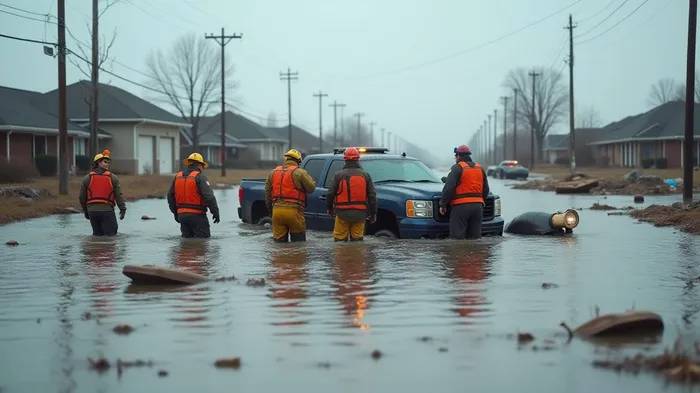
The weekend’s storms were dubbed a “historical weather event” by Moore police, with flash floods sweeping vehicles into creeks and a tornado leveling homes in Spaulding. Among the casualties were a 12-year-old boy and his mother, trapped in their car near Apple Creek Elementary, and a 7-year-old girl and her mother in Leonard. The Oklahoma State Emergency Operations Center confirmed at least 10 homes were damaged, with water levels reaching “significantly higher than recent years.”
The human cost is tragic, but the economic ripple effects are equally stark. Flood damage to vehicles, homes, and businesses will drive insurance claims, while rebuilding efforts could spur public and private investment.
Insurance Markets: Bracing for a Claims Surge
The insurance sector faces an immediate reckoning. Property and casualty insurers operating in Oklahoma—such as Travelers (TRV) and Allstate (ALL)—will likely see a spike in claims from flooded homes and tornado-damaged structures.
- Risk Exposure: A 2023 study by the National Association of Insurance Commissioners noted that Oklahoma’s flood-prone areas saw a 15% increase in policy claims post-2020, with average payouts rising to $50,000 per claim.
- Rate Adjustments: Analysts at S&P Global predict insurers may raise premiums in high-risk zones, potentially pricing out low-income households.
Infrastructure: A Flood of Investment?
The storms have underscored vulnerabilities in Oklahoma’s infrastructure, particularly in drainage systems and flood defenses. State and federal funds could soon flow into projects like creek stabilization, levee repairs, and smart grid upgrades.
- Public Funding: The Federal Emergency Management Agency (FEMA) typically allocates $1–2 billion for disaster recovery in states like Oklahoma, with 75% federal matching.
- Private Partnerships: Energy companies, including those in renewable infrastructure (e.g., NextEra Energy), may partner with municipalities to modernize water management systems.
Energy Sector: A Regulatory Crossroads
While the recent storms were meteorological disasters, Oklahoma’s energy sector faces its own storm: induced seismicity from oil and gas wastewater disposal. Though the April 2025 floods were unrelated, the state’s history of quakes—including a 2016 magnitude 5.8 tremor—has already spurred stricter regulations.
- Policy Shifts: A 2024 Oklahoma Corporation Commission ruling capped wastewater injection rates in earthquake-prone zones, reducing disposal volumes by 20%.
- Investment Shifts: Investors in conventional oil and gas (e.g., OXY, PSX) may see declining returns in regulated areas, while clean energy projects (e.g., wind farms) gain favor.
Conclusion: Navigating Risk and Opportunity
Oklahoma’s recent disasters present a dual narrative for investors. On one hand, insurers and traditional energy firms face rising risks. On the other, infrastructure rebuilds and regulatory tailwinds could open doors to sectors like renewable energy and smart infrastructure.
Key takeaways:
- Diversify Exposure: Avoid over-concentration in Oklahoma-focused insurance or energy stocks without assessing flood/earthquake risk disclosures.
- Target Resilience: Look for companies (e.g., infrastructure REITs or tech firms offering flood prediction tools) that can capitalize on post-disaster rebuilding.
The storms of April 2025 are a stark reminder: in a state where weather and geology collide, resilience isn’t just a virtue—it’s a market imperative.
Word Count: 698

Stay ahead of the market.
Get curated U.S. market news, insights and key dates delivered to your inbox.
AInvest
PRO
AInvest
PRO



Comments
No comments yet