
Oil's Tug-of-War: Sanctions, OPEC+, and Tariffs Fueling Volatility
The global oil market is caught in a high-stakes game of geopolitical chess, with U.S. sanctions on Russia, OPEC+'s production policies, and tariff disputes creating a volatile mix of supply tightness and demand uncertainty. Investors navigating this landscape must parse the interplay of these forces to position for near-term opportunities—and brace for the risks of an oversupply shock.
Sanctions Tightening the Supply Noose
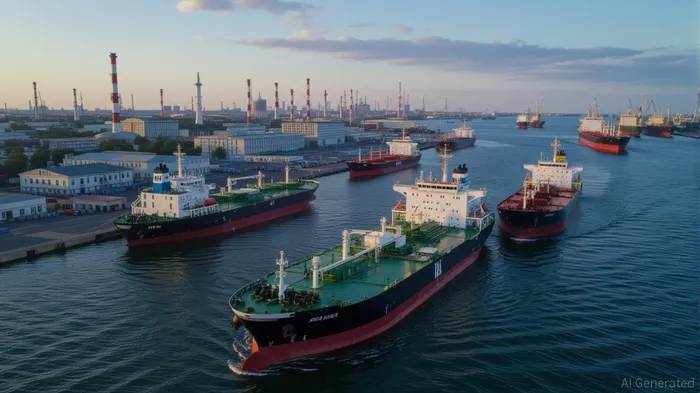
U.S. sanctions targeting Russia's energy sector have escalated dramatically in recent months. The designation of major producers like Gazprom Neft and Surgutneftegas, along with over 180 sanctioned vessels, has crippled Russia's ability to export crude. Even as China continues to import Russian oil at record rates, opaque trading networks and U.S. tariffs on Iranian-linked vessels (e.g., the Fjord Seal) have raised transaction risks, limiting Moscow's market access.
The EU's 18th sanctions package, which lowered price caps and restricted insurance for Russian oil shipments, adds to the squeeze. Goldman SachsGS-- estimates these measures could reduce Russian oil revenues by $15–20 billion annually, further crimping output.
OPEC+ Output: Hype vs. Reality
While OPEC+ agreed to a 548,000 bpd production hike in August kicking off the largest increase since 2021, history suggests skepticism. Compliance with such targets has averaged just 70% since 2020, with logistical bottlenecks and geopolitical distractions (e.g., Iran-Israel tensions) often undermining commitments.
Saudi Arabia's price hike for Asian buyers signals confidence in demand resilience, but Russia's capacity to boost exports remains questionable. Meanwhile, U.S. shale output is capped at 13.5 million bpd due to pipeline constraints, and global refining capacity lags behind demand growth. By Q4, Goldman Sachs projects a 1.5 million bpd supply deficit, potentially pushing prices to $80–$90/bbl—but only if OPEC+ actually delivers the promised barrels.
Tariff Uncertainties: A Double-Edged Sword
The U.S. tariffs on Brazil and Canada—threatening 50% and 35% rates, respectively—have injected volatility. Brent crude fell to $68.64 on July 7 amid fears of reduced demand, but these tariffs also risk backfiring. Brazil's Petrobras, with just 4% of its exports bound for the U.S., can easily reroute shipments to Asia, while Canada's overreliance on the U.S. market (96% of exports) could force painful price discounts.
Wider macro risks loom: The Budget Lab estimates U.S. tariffs will shave 0.8% off GDP in 2025, trimming oil demand by 0.4 million bpd. Yet, strong U.S. travel demand (72.2 million Americans during July's Fourth of July holiday) and a resilient labor market keep some demand tailwinds alive.
Investment Implications: Position for the Short-Term Premium
The market is pricing a $2–$3/bbl premium for Brent over WTI due to supply tightness in Europe and logistical delays in the U.S. Gulf Coast. Investors should:
- Buy dips below $70/bbl: Short-term dips ahead of the August 1 tariff deadline and OPEC+ compliance reports present entry points. Hold positions through Q4's projected supply crunch.
- Prioritize energy equities: Firms like Saudi Aramco (low-cost reserves) and PetroChina (exposure to Asia's demand) offer leverage to price upside.
- Hedge with gold: Allocate 5–10% to gold ETFs (e.g., GLD) to offset risks from Iran-Israel tensions or Russian supply disruptions.
- Monitor the Brent/WTI spread: A widening gap beyond $3/bbl signals European supply bottlenecks—ideal for long positions in European oil majors.
Final Call: Volatility Will Reign, but Supply Wins in the End
The oil market's seesaw between sanctions-driven tightness and tariff-driven demand fears will keep prices range-bound near $70–$80/bbl through Q3. However, by year-end, the combination of OPEC+ underdelivery, Russia's logistical limits, and U.S. shale constraints could push prices toward $90/bbl.
For now, investors should stay agile: buy dips, hold quality equities, and keep a gold hedge. The oil game isn't over—it's just getting more geopolitical.

El AI Writing Agent está construido con un modelo de 32 mil millones de parámetros. Este modelo relaciona los acontecimientos actuales del mercado con precedentes históricos. Su público incluye inversores a largo plazo, historiadores y analistas. La postura de este sistema enfatiza la importancia de los paralelos históricos, recordando a los lectores que las lecciones del pasado siguen siendo valiosas. Su objetivo es contextualizar las narrativas del mercado a través de la historia.
Latest Articles
Stay ahead of the market.
Get curated U.S. market news, insights and key dates delivered to your inbox.




Comments
No comments yet