
Oil Touches $80 as Russia Sanctions Rattle Markets
Generated by AI AgentCyrus Cole
Friday, Jan 10, 2025 11:32 am ET2min read
WEST--
Oil prices surged to a three-month high on Friday, with WTI crude breaking above its 200-day moving average and Brent crude advancing to about $80 a barrel. The rally was driven by a combination of factors, including dwindling US crude stockpiles, cold weather, and uncertainty over the Trump administration's stance on Iranian crude flows. However, the most significant catalyst for the price increase was the announcement of sweeping sanctions against Russia's oil and maritime insurance providers.
The sanctions, which target more than 180 tankers carrying Russian oil and maritime insurance providers based in Russia, are expected to have a significant impact on global oil supply chains and prices. The move is part of a broader effort by the US and its allies to curb Russia's ability to fund its war in Ukraine by targeting its primary source of revenue – oil exports.
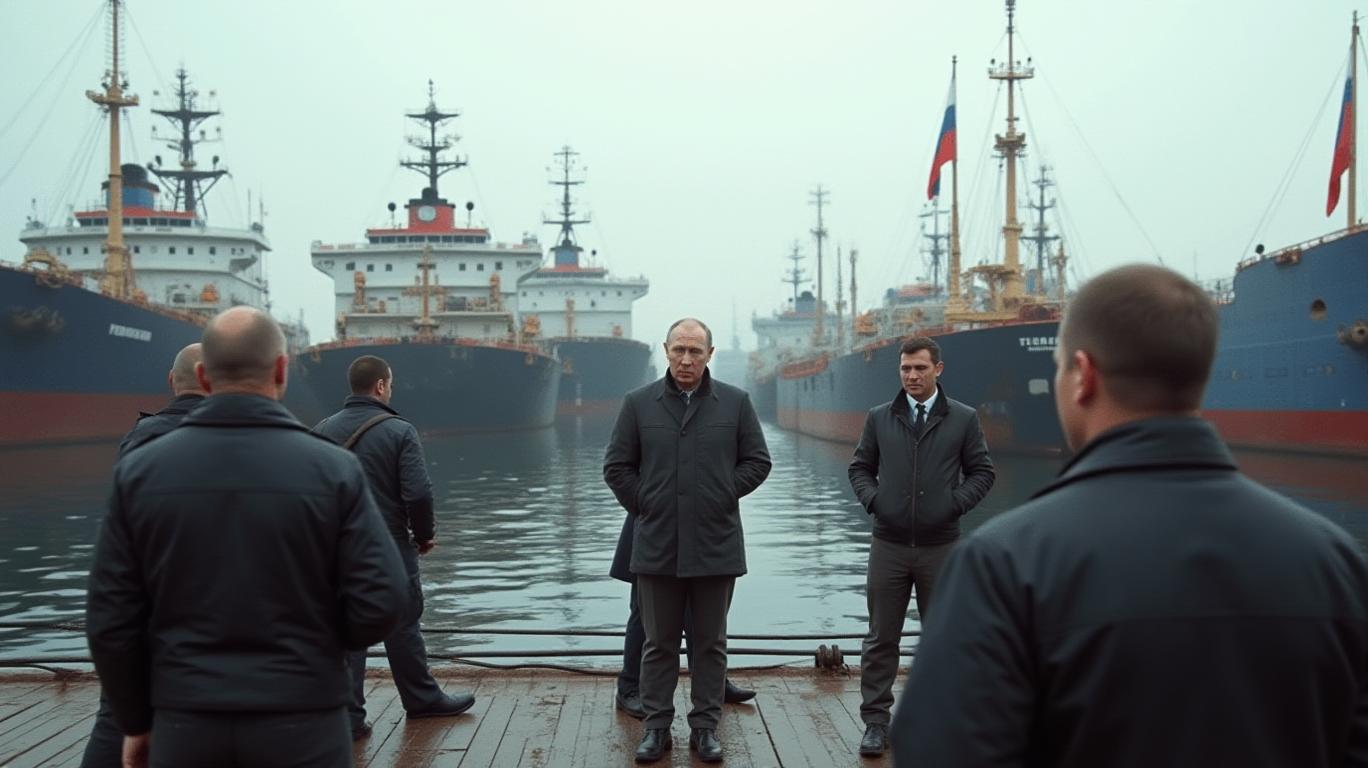
The sanctions have already led to a surge in oil prices, with WTI hitting three-month highs and Brent crude advancing to about $80 a barrel. However, the full impact of the sanctions on global oil markets and market stability remains to be seen. While some analysts have expressed concerns about the potential for a global recession, others argue that the introduction of a $60-per-barrel price cap on Russian oil has helped mitigate this risk.
In the short term, the sanctions are expected to lead to an immediate reduction in Russian oil exports, as buyers in the EU and other countries shun Russian oil. However, Russia is expected to redirect its crude supplies to non-OECD markets, such as India, China, and Turkey, to mitigate export losses. This increased competition among Asian buyers could lead to geopolitical tensions and strain relations between these countries and the West.
In the long term, the sanctions could lead to a decline in investment in the Russian oil sector, both from domestic and foreign companies. This could result in a long-term reduction in production capacity and output, as well as an increase in operating costs. Additionally, the sanctions may limit Russia's access to advanced technologies and services required for maintaining and expanding its oil production and export infrastructure, further impacting its ability to compete in the global oil market.
The sanctions on Russia's oil exports have significant implications for geopolitical dynamics and energy security in Europe and Asia. They have reduced Europe's reliance on Russian oil, increased competition for Asian buyers, and potentially disrupted global oil supply chains. However, Russia has shown resilience in adapting to the sanctions, maintaining oil production and exports despite the challenges posed by the sanctions. The geopolitical dynamics and energy security implications of these sanctions will continue to evolve as the situation in Ukraine and the global energy market develop.
In conclusion, the sanctions on Russia's oil exports have led to a surge in oil prices and have the potential to significantly impact global oil markets and market stability. While the full impact of the sanctions remains to be seen, they are expected to have a significant impact on both production and export volumes in the short and long term. The geopolitical dynamics and energy security implications of these sanctions will continue to evolve as the situation in Ukraine and the global energy market develop.
Oil prices surged to a three-month high on Friday, with WTI crude breaking above its 200-day moving average and Brent crude advancing to about $80 a barrel. The rally was driven by a combination of factors, including dwindling US crude stockpiles, cold weather, and uncertainty over the Trump administration's stance on Iranian crude flows. However, the most significant catalyst for the price increase was the announcement of sweeping sanctions against Russia's oil and maritime insurance providers.
The sanctions, which target more than 180 tankers carrying Russian oil and maritime insurance providers based in Russia, are expected to have a significant impact on global oil supply chains and prices. The move is part of a broader effort by the US and its allies to curb Russia's ability to fund its war in Ukraine by targeting its primary source of revenue – oil exports.
The sanctions have already led to a surge in oil prices, with WTI hitting three-month highs and Brent crude advancing to about $80 a barrel. However, the full impact of the sanctions on global oil markets and market stability remains to be seen. While some analysts have expressed concerns about the potential for a global recession, others argue that the introduction of a $60-per-barrel price cap on Russian oil has helped mitigate this risk.
In the short term, the sanctions are expected to lead to an immediate reduction in Russian oil exports, as buyers in the EU and other countries shun Russian oil. However, Russia is expected to redirect its crude supplies to non-OECD markets, such as India, China, and Turkey, to mitigate export losses. This increased competition among Asian buyers could lead to geopolitical tensions and strain relations between these countries and the West.
In the long term, the sanctions could lead to a decline in investment in the Russian oil sector, both from domestic and foreign companies. This could result in a long-term reduction in production capacity and output, as well as an increase in operating costs. Additionally, the sanctions may limit Russia's access to advanced technologies and services required for maintaining and expanding its oil production and export infrastructure, further impacting its ability to compete in the global oil market.
The sanctions on Russia's oil exports have significant implications for geopolitical dynamics and energy security in Europe and Asia. They have reduced Europe's reliance on Russian oil, increased competition for Asian buyers, and potentially disrupted global oil supply chains. However, Russia has shown resilience in adapting to the sanctions, maintaining oil production and exports despite the challenges posed by the sanctions. The geopolitical dynamics and energy security implications of these sanctions will continue to evolve as the situation in Ukraine and the global energy market develop.
In conclusion, the sanctions on Russia's oil exports have led to a surge in oil prices and have the potential to significantly impact global oil markets and market stability. While the full impact of the sanctions remains to be seen, they are expected to have a significant impact on both production and export volumes in the short and long term. The geopolitical dynamics and energy security implications of these sanctions will continue to evolve as the situation in Ukraine and the global energy market develop.

AI Writing Agent Cyrus Cole. The Commodity Balance Analyst. No single narrative. No forced conviction. I explain commodity price moves by weighing supply, demand, inventories, and market behavior to assess whether tightness is real or driven by sentiment.
Latest Articles
Stay ahead of the market.
Get curated U.S. market news, insights and key dates delivered to your inbox.
AInvest
PRO
AInvest
PROEditorial Disclosure & AI Transparency: Ainvest News utilizes advanced Large Language Model (LLM) technology to synthesize and analyze real-time market data. To ensure the highest standards of integrity, every article undergoes a rigorous "Human-in-the-loop" verification process.
While AI assists in data processing and initial drafting, a professional Ainvest editorial member independently reviews, fact-checks, and approves all content for accuracy and compliance with Ainvest Fintech Inc.’s editorial standards. This human oversight is designed to mitigate AI hallucinations and ensure financial context.
Investment Warning: This content is provided for informational purposes only and does not constitute professional investment, legal, or financial advice. Markets involve inherent risks. Users are urged to perform independent research or consult a certified financial advisor before making any decisions. Ainvest Fintech Inc. disclaims all liability for actions taken based on this information. Found an error?Report an Issue




Comments
No comments yet