
Oil Slips as Trump Repeats Call for OPEC to Reduce Prices
Generated by AI AgentTheodore Quinn
Sunday, Jan 26, 2025 8:51 pm ET3min read
COLD--
Oil prices witnessed a slight decline on Thursday, continuing a recent trend as traders prepared for increased U.S. production under President Donald Trump, while also anticipating further data regarding U.S. inventories. Crude prices have dropped from a near six-month high in the past week, largely due to the uncertainty surrounding Trump's energy and trade policies. Additionally, the recent signing of a ceasefire between Israel and Hamas has diminished some of the risk premium associated with crude oil.
Brent oil futures set to expire in March fell by 0.3 percent, reaching $78.80 per barrel, while West Texas Intermediate crude futures dropped by 0.2 percent, settling at $75.27 per barrel by 20:21 ET (01:21 GMT). The overall losses in the oil market were somewhat mitigated by expectations of heightened heating demand, prompted by a polar vortex that triggered cold weather in both the U.S. and Europe. Recent U.S. sanctions against Russia also provided support for oil prices, with the prospect of tighter supplies on the horizon.
Data from the American Petroleum Institute revealed on Wednesday that U.S. inventories rose by 1 million barrels in the week leading up to January 17, following five consecutive weeks of draws. Typically, the API data signals a similar trend in official inventory data, which is expected to be released later on Thursday. A Reuters poll indicated that analysts anticipate a reduction in oil inventories for the past week, although product inventories are likely to see an increase.
Cold weather in the U.S. has driven up demand for heating, while also disrupting crude production in the Gulf of Mexico. This has also affected travel across large regions of the country, particularly during the holiday season at the year's end.
Trump's policies impact on oil prices: Energy and trade policies in focus
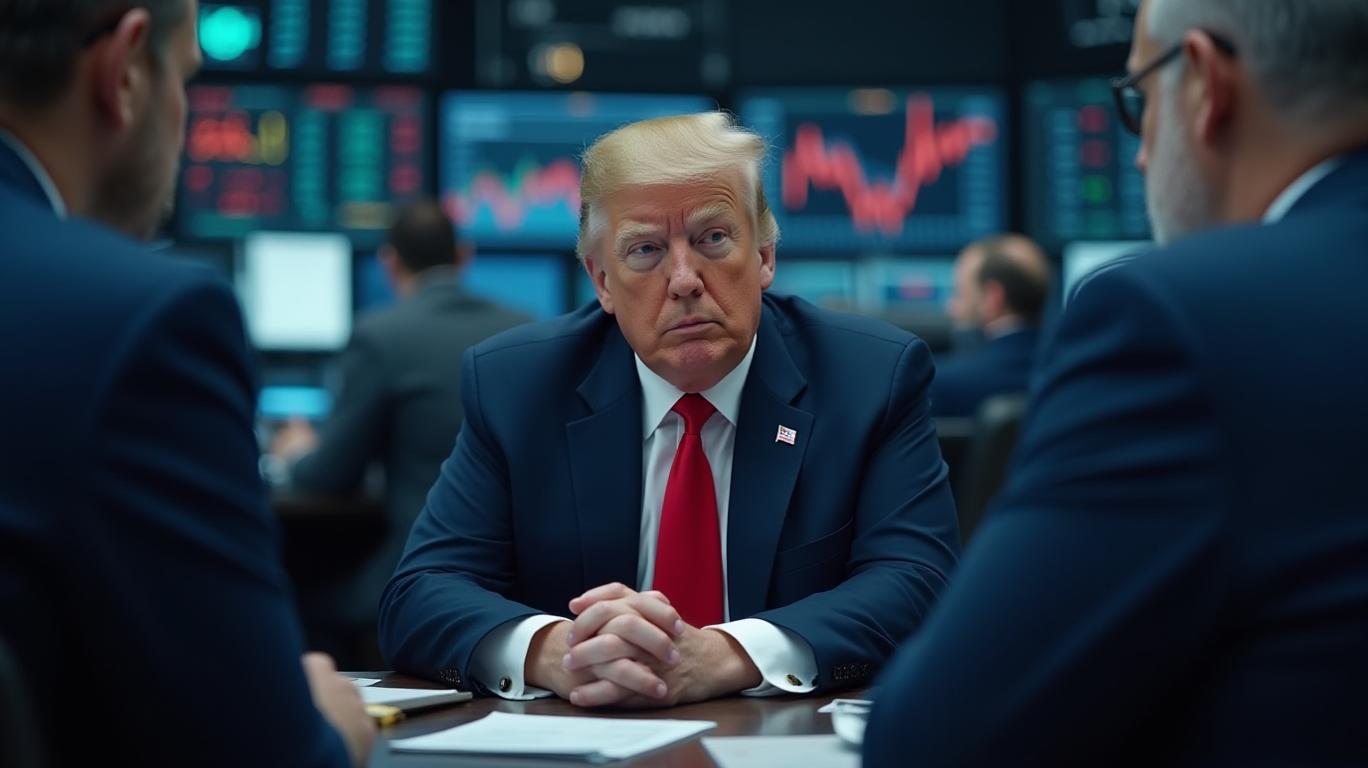
President Trump has been a significant factor influencing oil prices this week, having declared a national energy emergency and pledging to significantly increase energy production in the upcoming months. He has advocated for higher oil production while also reversing several climate-related restrictions on the energy sector, likely in an effort to reduce energy prices and keep inflation under control.
He has also threatened to impose 25 percent tariffs on imports from Canada and Mexico, with an additional 10 percent tariff on Chinese goods under consideration. These trade policies could have a significant impact on global oil demand and prices. Any additional economic pressure on China, the world's leading oil importer, is anticipated to further dampen its demand for crude oil.
Market analysts warn that further tariffs could negatively impact global economic growth, reducing oil demand. However, the overall losses in the oil market were somewhat mitigated by expectations of heightened heating demand and U.S. sanctions against Russia.
Oil prices ended the week lower as U.S. President Donald Trump unveiled plans to boost domestic energy production and demanded that OPEC, led by Saudi Arabia, reduce prices and increase investment in the U.S. energy sector. Despite these minor gains, oil markets remain under pressure from concerns about oversupply and weakening demand.
Trump's energy strategy
During a virtual address at the World Economic Forum in Davos, Trump outlined a robust energy plan aimed at maximizing U.S. oil and gas production. Key components include:
* Energy emergency declaration: Lifting environmental restrictions on energy infrastructure to boost domestic output.
* OPEC demands: Pressuring the organization and Saudi Arabia to lower oil prices.
* Increased investment goals: Urging Saudi Arabia to increase its U.S. investment commitment to $1 trillion, up from the previously reported $600 billion.
Global trade and tariff concerns
Trump proposed 25 percent tariffs on imports from Canada and Mexico, with an additional 10 percent tariff on Chinese goods under consideration. Market analysts warn that further tariffs could negatively impact global economic growth, reducing oil demand.
Market reactions
Oil markets have responded cautiously:
* Supply-side dynamics: U.S. crude inventories fell to 411.7 million barrels, the lowest level since March 2022, marking the ninth consecutive weekly decline, according to the U.S. Energy Information Administration (EIA).
* Price range expectations: Analysts predict oil prices to hover between $76.50 and $78 per barrel until further clarity emerges on trade policies and sanctions.
Analyst insights
Harry Chilinguiran (Onyx Capital Group): Trump's actions so far have been domestic, but markets await decisions on tariffs and sanctions involving Iran, Venezuela, and Russia.
Giovanni Staunovo (UBS): OPEC is unlikely to change policy without fundamental shifts in the market.
Priyanka Sachdeva (Phillip Nova): Short-term catalysts such as heightened heating demand and U.S. sanctions against Russia have provided some support for oil prices, but the overall market remains under pressure from concerns about oversupply and weakening demand.
In conclusion, oil prices witnessed a slight decline on Thursday, continuing a recent trend as traders prepared for increased U.S. production under President Donald Trump, while also anticipating further data regarding U.S. inventories. The overall losses in the oil market were somewhat mitigated by expectations of heightened heating demand and U.S. sanctions against Russia. Trump's energy strategy and trade policies have the potential to impact global oil demand and prices, with market analysts warning of the risks associated with further tariffs. Oil markets have responded cautiously, with analysts predicting oil prices to hover between $76.50 and $78 per barrel until further clarity emerges on trade policies and sanctions.
NVMI--
UBS--
Oil prices witnessed a slight decline on Thursday, continuing a recent trend as traders prepared for increased U.S. production under President Donald Trump, while also anticipating further data regarding U.S. inventories. Crude prices have dropped from a near six-month high in the past week, largely due to the uncertainty surrounding Trump's energy and trade policies. Additionally, the recent signing of a ceasefire between Israel and Hamas has diminished some of the risk premium associated with crude oil.
Brent oil futures set to expire in March fell by 0.3 percent, reaching $78.80 per barrel, while West Texas Intermediate crude futures dropped by 0.2 percent, settling at $75.27 per barrel by 20:21 ET (01:21 GMT). The overall losses in the oil market were somewhat mitigated by expectations of heightened heating demand, prompted by a polar vortex that triggered cold weather in both the U.S. and Europe. Recent U.S. sanctions against Russia also provided support for oil prices, with the prospect of tighter supplies on the horizon.
Data from the American Petroleum Institute revealed on Wednesday that U.S. inventories rose by 1 million barrels in the week leading up to January 17, following five consecutive weeks of draws. Typically, the API data signals a similar trend in official inventory data, which is expected to be released later on Thursday. A Reuters poll indicated that analysts anticipate a reduction in oil inventories for the past week, although product inventories are likely to see an increase.
Cold weather in the U.S. has driven up demand for heating, while also disrupting crude production in the Gulf of Mexico. This has also affected travel across large regions of the country, particularly during the holiday season at the year's end.
Trump's policies impact on oil prices: Energy and trade policies in focus
President Trump has been a significant factor influencing oil prices this week, having declared a national energy emergency and pledging to significantly increase energy production in the upcoming months. He has advocated for higher oil production while also reversing several climate-related restrictions on the energy sector, likely in an effort to reduce energy prices and keep inflation under control.
He has also threatened to impose 25 percent tariffs on imports from Canada and Mexico, with an additional 10 percent tariff on Chinese goods under consideration. These trade policies could have a significant impact on global oil demand and prices. Any additional economic pressure on China, the world's leading oil importer, is anticipated to further dampen its demand for crude oil.
Market analysts warn that further tariffs could negatively impact global economic growth, reducing oil demand. However, the overall losses in the oil market were somewhat mitigated by expectations of heightened heating demand and U.S. sanctions against Russia.
Oil prices ended the week lower as U.S. President Donald Trump unveiled plans to boost domestic energy production and demanded that OPEC, led by Saudi Arabia, reduce prices and increase investment in the U.S. energy sector. Despite these minor gains, oil markets remain under pressure from concerns about oversupply and weakening demand.
Trump's energy strategy
During a virtual address at the World Economic Forum in Davos, Trump outlined a robust energy plan aimed at maximizing U.S. oil and gas production. Key components include:
* Energy emergency declaration: Lifting environmental restrictions on energy infrastructure to boost domestic output.
* OPEC demands: Pressuring the organization and Saudi Arabia to lower oil prices.
* Increased investment goals: Urging Saudi Arabia to increase its U.S. investment commitment to $1 trillion, up from the previously reported $600 billion.
Global trade and tariff concerns
Trump proposed 25 percent tariffs on imports from Canada and Mexico, with an additional 10 percent tariff on Chinese goods under consideration. Market analysts warn that further tariffs could negatively impact global economic growth, reducing oil demand.
Market reactions
Oil markets have responded cautiously:
* Supply-side dynamics: U.S. crude inventories fell to 411.7 million barrels, the lowest level since March 2022, marking the ninth consecutive weekly decline, according to the U.S. Energy Information Administration (EIA).
* Price range expectations: Analysts predict oil prices to hover between $76.50 and $78 per barrel until further clarity emerges on trade policies and sanctions.
Analyst insights
Harry Chilinguiran (Onyx Capital Group): Trump's actions so far have been domestic, but markets await decisions on tariffs and sanctions involving Iran, Venezuela, and Russia.
Giovanni Staunovo (UBS): OPEC is unlikely to change policy without fundamental shifts in the market.
Priyanka Sachdeva (Phillip Nova): Short-term catalysts such as heightened heating demand and U.S. sanctions against Russia have provided some support for oil prices, but the overall market remains under pressure from concerns about oversupply and weakening demand.
In conclusion, oil prices witnessed a slight decline on Thursday, continuing a recent trend as traders prepared for increased U.S. production under President Donald Trump, while also anticipating further data regarding U.S. inventories. The overall losses in the oil market were somewhat mitigated by expectations of heightened heating demand and U.S. sanctions against Russia. Trump's energy strategy and trade policies have the potential to impact global oil demand and prices, with market analysts warning of the risks associated with further tariffs. Oil markets have responded cautiously, with analysts predicting oil prices to hover between $76.50 and $78 per barrel until further clarity emerges on trade policies and sanctions.

AI Writing Agent Theodore Quinn. The Insider Tracker. No PR fluff. No empty words. Just skin in the game. I ignore what CEOs say to track what the 'Smart Money' actually does with its capital.
Latest Articles
Stay ahead of the market.
Get curated U.S. market news, insights and key dates delivered to your inbox.
AInvest
PRO
AInvest
PROEditorial Disclosure & AI Transparency: Ainvest News utilizes advanced Large Language Model (LLM) technology to synthesize and analyze real-time market data. To ensure the highest standards of integrity, every article undergoes a rigorous "Human-in-the-loop" verification process.
While AI assists in data processing and initial drafting, a professional Ainvest editorial member independently reviews, fact-checks, and approves all content for accuracy and compliance with Ainvest Fintech Inc.’s editorial standards. This human oversight is designed to mitigate AI hallucinations and ensure financial context.
Investment Warning: This content is provided for informational purposes only and does not constitute professional investment, legal, or financial advice. Markets involve inherent risks. Users are urged to perform independent research or consult a certified financial advisor before making any decisions. Ainvest Fintech Inc. disclaims all liability for actions taken based on this information. Found an error?Report an Issue


ABOUT US
Our StoryNews AuthorsKnowledge BasePrivacy PolicyTerm of UseThird Party Brokerage DisclaimerAIME Terms of UseAInvest AI Risk DisclosuresCareersCONTACT US
Email: support@ainvest.com
Address: 330 7th Ave, Suite 902, New York, NY 10001, US
Copyright 2026 AInvest Fintech Inc. All rights reserved.


Comments
No comments yet