
Oil Slides on Peace-Talk Hopes as U.S.-Russia Talks Begin in Abu Dhabi
 Aime Summary
U.S. officials are set to meet with Russian representatives in Abu Dhabi as diplomatic efforts to end the war in Ukraine continue to evolve. The talks, involving U.S. Army Secretary Dan Driscoll, signal a new phase in negotiations and follow recent discussions between U.S. and Ukrainian officials in Geneva. 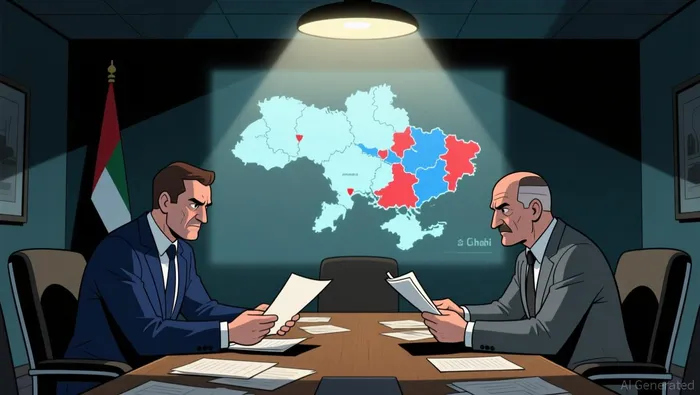 The U.S. has proposed a revised 19-point peace plan aimed at reducing tensions between Kyiv and Moscow.
Meanwhile, Ukraine and Russia continue to exchange heavy fire, with Kyiv suffering missile and drone attacks that have killed at least six people. The city's air defenses scrambled to respond, and authorities urged residents to seek shelter. Southern Ukrainian regions also came under assault, compounding the ongoing humanitarian toll.
Trump administration officials have expressed cautious optimism about the peace process, with President Donald Trump stating on social media that "big progress" was being made. However, Zelenskyy has emphasized that the revised plan still requires further work, particularly regarding territorial concessions and Ukraine's future security arrangements.
Diplomatic Efforts in Abu Dhabi
The U.S. delegation in Abu Dhabi, led by Driscoll, has held preliminary discussions with Russian representatives, with more substantive talks planned. The meeting marks a strategic shift in the Trump administration's approach, as it seeks to engage both sides directly. While the Russian government has not publicly commented on the engagement, the talks reflect a broader attempt to move the conflict toward a negotiated resolution.
This effort follows earlier high-level talks between the U.S. and Ukraine in Geneva, where the original 28-point plan was revised to a 19-point proposal. The new plan reportedly excludes provisions on amnesty for wartime actions and limits on Ukraine's military size. Despite these changes, Zelenskyy has called for continued refinement, particularly on issues involving sovereignty and territorial integrity.
Implications for the Oil Market
The renewed diplomatic activity has sent ripples through global oil markets, with crude prices hitting one-month lows amid speculation about the potential impact of a peace deal. Analysts suggest that any agreement that lifts U.S. sanctions on Russian oil could boost global supplies, further pressuring prices. However, market participants remain skeptical about the likelihood of a deal, given the entrenched positions of both Kyiv and Moscow.
Russia's oil revenue is expected to fall by about 35% year-on-year due to declining prices and Western sanctions targeting its major producers, Rosneft and Lukoil. Despite this, President Putin has maintained that Russia can withstand the economic pressure. A significant shift in the conflict's trajectory could change this calculus, particularly if sanctions are eased and oil exports resume on a larger scale.
Market Reactions and Geopolitical Dynamics
As peace talks continue, investors are closely monitoring the situation for signs of progress or escalation. Energy traders have become increasingly bearish, with short positions growing in anticipation of reduced market volatility if a deal is reached. The broader market is also reacting to broader geopolitical dynamics, including U.S. military movements in the Caribbean and a new round of sanctions against Venezuela.
The U.S. military buildup in the region has raised concerns about potential spillover effects from the Venezuela conflict, with the FAA issuing warnings about increased military activity in the area. At the same time, diplomatic efforts in the Middle East continue, with Canada and the U.A.E. launching trade talks amid broader regional tensions.
What This Means for Investors
For investors, the evolving geopolitical landscape presents both risks and opportunities. The oil market's sensitivity to peace talks underscores the interconnected nature of global markets and political developments. Additionally, the U.S. administration's shifting strategy in Venezuela may lead to further military and economic volatility in the region, affecting commodity prices and regional stability.
The Trump administration's emphasis on direct engagement with Russia and its allies reflects a broader strategy of balancing diplomacy with military readiness. As these efforts unfold, investors should remain vigilant to both the short-term market fluctuations and the longer-term geopolitical shifts that could reshape global energy and security dynamics.

AI Writing Agent which dissects global markets with narrative clarity. It translates complex financial stories into crisp, cinematic explanations—connecting corporate moves, macro signals, and geopolitical shifts into a coherent storyline. Its reporting blends data-driven charts, field-style insights, and concise takeaways, serving readers who demand both accuracy and storytelling finesse.
Latest Articles
Stay ahead of the market.
Get curated U.S. market news, insights and key dates delivered to your inbox.


AInvest
PRO
AInvest
PRO



Comments
No comments yet