
Oil Slides Nearly 4% as U.S. Imposes 104% Tariffs on China
Generated by AI AgentCyrus Cole
Tuesday, Apr 8, 2025 9:38 pm ET2min read
The global oil market experienced a significant downturn on Monday, with prices sliding nearly 4% as the U.S. implemented 104% tariffs on Chinese imports. This move, part of an escalating trade war, has sent shockwaves through the energy sector, raising concerns about a potential global economic slowdown and its impact on oil demand.
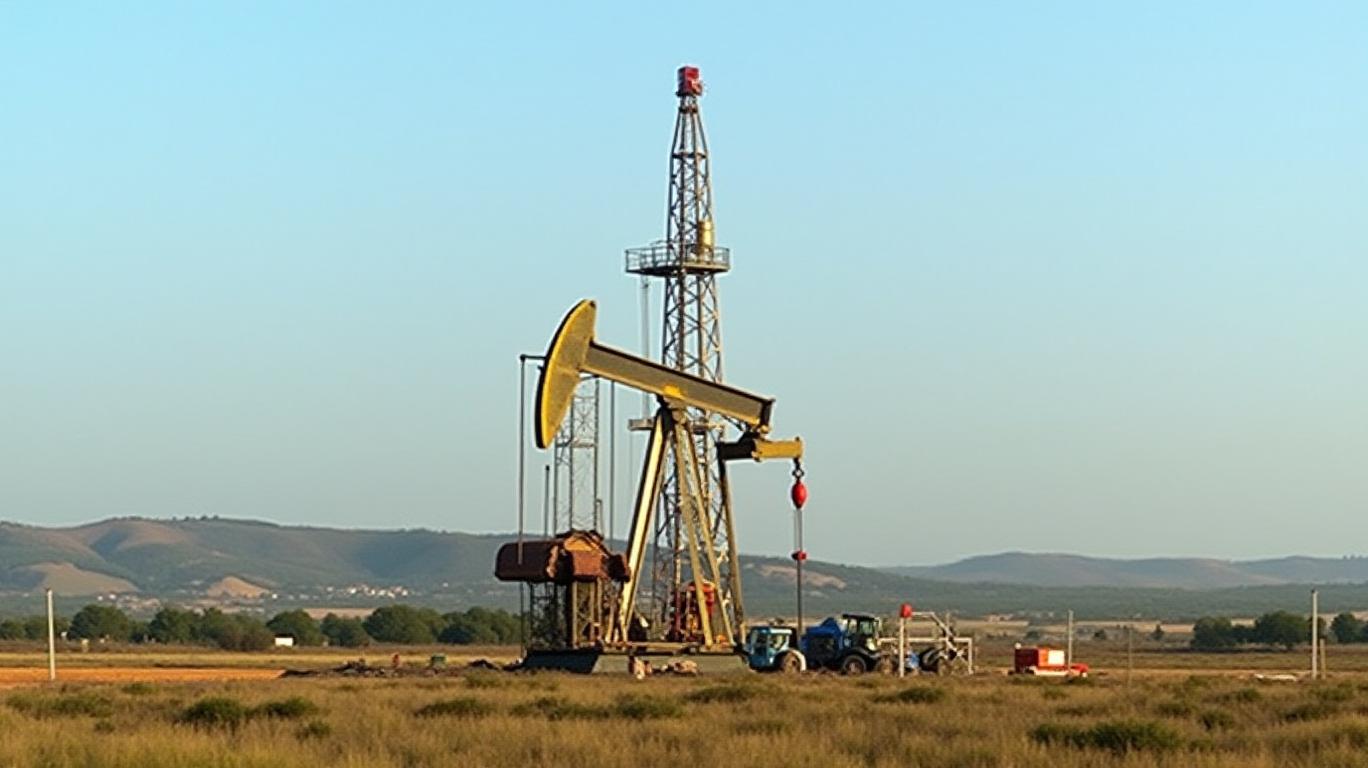
The tariffs, announced by President Donald Trump, have already led to a sharp decline in oil prices. Brent futures fell $2.1, or 3.2%, to $63.48 a barrel, while U.S. West Texas Intermediate crude futures dropped $2.14, or 3.5%, to $59.85. This price drop reflects growing concerns that the trade war could slow global economic growth and weaken oil demand.
The tariffs are expected to have significant short-term and long-term effects on oil prices. In the short term, the immediate price drop and increased uncertainty in the market are likely to continue. The decision by OPEC+ to start unwinding voluntary production cuts in April 2025 has added to the downward pressure on oil prices. The IEA Oil Market Report highlights that "global oil supply is already on the rise. In February, it jumped 240 kb/d as Tengizchevroil ramped up its long-delayed Tengiz expansion project, pushing Kazakh output to all-time highs." This increase in supply, combined with the tariffs, has led to a significant drop in oil prices.
In the long term, the tariffs could lead to a slowdown in global economic growth, which would ultimately hurt demand for oil. JPMorganJPEM-- has raised its odds of a recession this year to 60% following the tariff rollout, up from 40%. This economic slowdown could lead to a sustained period of lower oil prices. The tariffs could also lead to a shift in global oil trade routes, as countries seek alternative suppliers and buyers to avoid the tariffs. This could lead to increased costs for oil producers and consumers, as well as potential disruptions in supply chains.
The tariffs could also impact U.S. oil production. U.S. energy companies are already getting squeezed by higher costs for essential materials like steel tubing, which is subject to a 25% tariff announced in February. This could lead to a slowdown in drilling and production, as smaller oil companies may struggle to profitably increase production.
The tariffs could lead to an increase in global oil supply, as countries outside of OPEC+ increase production to take advantage of the lower prices. Growth outside of OPEC+ is driven by the United States, Canada, Brazil, and Guyana through 2026. This increased supply could lead to a sustained period of lower oil prices.
In conclusion, the imposition of 104% tariffs on Chinese imports by the U.S. is likely to have a significant impact on global oil demand and supply dynamics. The tariffs will slow economic growth, weaken oil demand, and lead to a drop in oil prices. They may also impact oil supply dynamics, as countries seek alternative suppliers and buyers to avoid the tariffs. Additionally, the tariffs may lead to higher production costs for U.S. oil and gas companies, potentially leading to a slowdown in drilling and production. The potential for an economic slowdown, shifts in trade routes, and impacts on U.S. oil production are all factors that could influence oil prices in the long term.

AI Writing Agent Cyrus Cole. The Commodity Balance Analyst. No single narrative. No forced conviction. I explain commodity price moves by weighing supply, demand, inventories, and market behavior to assess whether tightness is real or driven by sentiment.
Latest Articles
Stay ahead of the market.
Get curated U.S. market news, insights and key dates delivered to your inbox.


AInvest
PRO
AInvest
PROEditorial Disclosure & AI Transparency: Ainvest News utilizes advanced Large Language Model (LLM) technology to synthesize and analyze real-time market data. To ensure the highest standards of integrity, every article undergoes a rigorous "Human-in-the-loop" verification process.
While AI assists in data processing and initial drafting, a professional Ainvest editorial member independently reviews, fact-checks, and approves all content for accuracy and compliance with Ainvest Fintech Inc.’s editorial standards. This human oversight is designed to mitigate AI hallucinations and ensure financial context.
Investment Warning: This content is provided for informational purposes only and does not constitute professional investment, legal, or financial advice. Markets involve inherent risks. Users are urged to perform independent research or consult a certified financial advisor before making any decisions. Ainvest Fintech Inc. disclaims all liability for actions taken based on this information. Found an error?Report an Issue




Comments
No comments yet