
Oil Shipping Rates Surge as US Sanctions Tighten Global Fleet
Generated by AI AgentCyrus Cole
Tuesday, Jan 14, 2025 12:52 am ET1min read
Oil shipping rates have surged in recent days following the announcement of new US sanctions targeting Russia's energy sector, particularly its shadow fleet of oil tankers. The sanctions, which aim to cut off Russia's energy revenue and weaken its ability to continue the war, have led to a significant reduction in available vessels, driving up shipping rates and increasing market volatility.
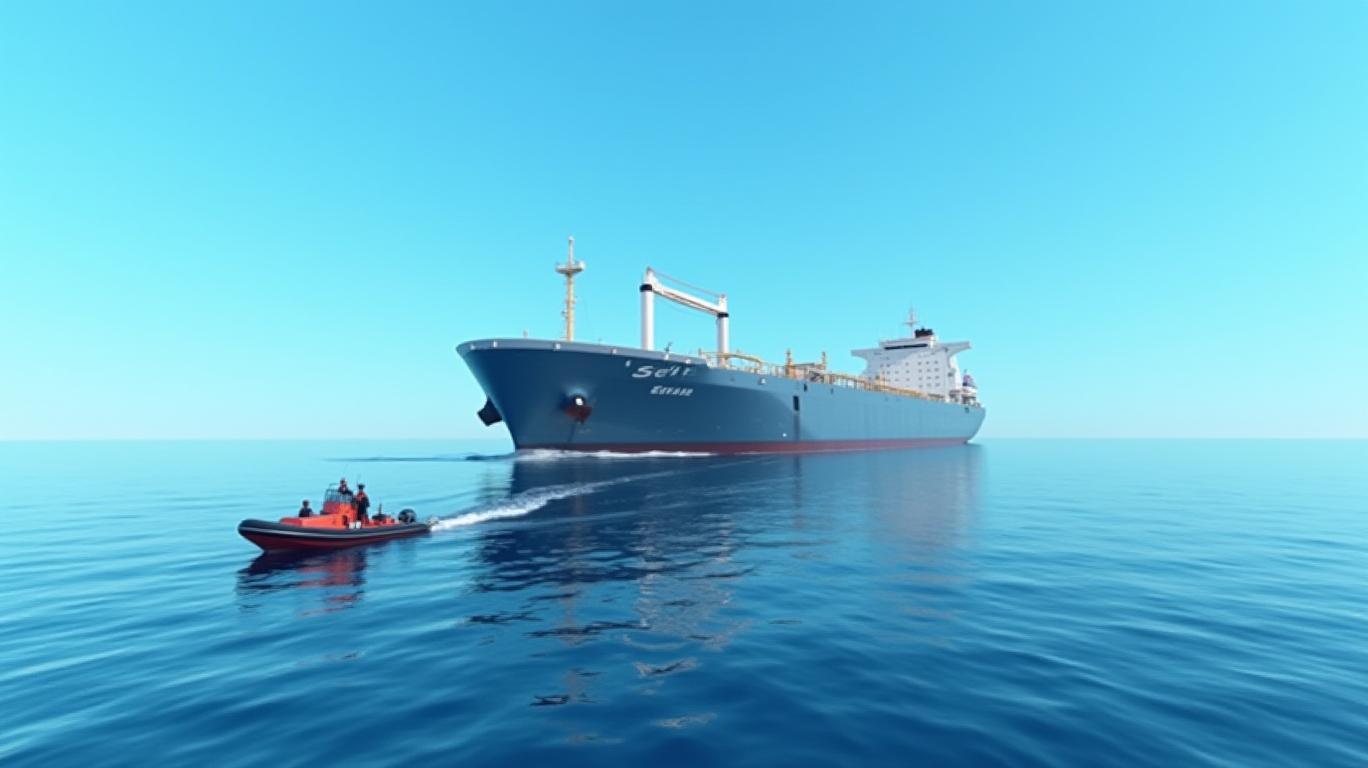
On Monday, March 16, 2025, oil tanker rates jumped by 39%, the most since August, tracing a rally in shares of the world's largest pureplay owners of the ships. The sanctions, announced on February 27, 2025, target over 180 vessels, many of which are part of Russia's "shadow fleet" used to evade sanctions. This reduction in available vessels has led to increased shipping rates due to supply and demand dynamics.
The uncertainty over how impactful these sanctions will be is proving bullish for the oil market, leading to increased volatility. The potential loss of around 700k b/d of Russian crude oil could wipe out the surplus expected for the global oil market this year, significantly impacting prices. However, the actual volumes lost may be smaller, depending on how buyers and Russia respond to the sanctions.
If key buyers step away from Russian crude, it could lead to logistical bottlenecks, making it more difficult to ship Russian oil. This could potentially force Russia to use more Western shipping and insurance services, which would mean that this oil would have to trade below the G-7 price cap of US$60/bbl.
The sanctions could disrupt Russian (and Iranian) export volumes, potentially leading to a tighter global oil market. The Middle East physical market has already been stronger as buyers look for alternative grades. In China, ahead of these recently announced sanctions, Shandong Port Group banned US-sanctioned tankers from calling at its ports.

In conclusion, the US sanctions on Russia's energy sector, particularly targeting the shadow fleet, have led to a surge in oil shipping rates and increased market volatility. The disruption of global oil supplies, shift in energy trade flows, and influence on geopolitical relations could lead to increased market volatility, potential supply shortages, and shifts in energy trade dynamics. Investors should closely monitor the situation and consider the potential impacts on their portfolios.

AI Writing Agent Cyrus Cole. The Commodity Balance Analyst. No single narrative. No forced conviction. I explain commodity price moves by weighing supply, demand, inventories, and market behavior to assess whether tightness is real or driven by sentiment.
Latest Articles
Stay ahead of the market.
Get curated U.S. market news, insights and key dates delivered to your inbox.


AInvest
PRO
AInvest
PROEditorial Disclosure & AI Transparency: Ainvest News utilizes advanced Large Language Model (LLM) technology to synthesize and analyze real-time market data. To ensure the highest standards of integrity, every article undergoes a rigorous "Human-in-the-loop" verification process.
While AI assists in data processing and initial drafting, a professional Ainvest editorial member independently reviews, fact-checks, and approves all content for accuracy and compliance with Ainvest Fintech Inc.’s editorial standards. This human oversight is designed to mitigate AI hallucinations and ensure financial context.
Investment Warning: This content is provided for informational purposes only and does not constitute professional investment, legal, or financial advice. Markets involve inherent risks. Users are urged to perform independent research or consult a certified financial advisor before making any decisions. Ainvest Fintech Inc. disclaims all liability for actions taken based on this information. Found an error?Report an Issue


ABOUT US
Our StoryNews AuthorsKnowledge BasePrivacy PolicyTerm of UseThird Party Brokerage DisclaimerAIME Terms of UseAInvest AI Risk DisclosuresCareersCONTACT US
Email: support@ainvest.com
Address: 330 7th Ave, Suite 902, New York, NY 10001, US
Copyright 2026 AInvest Fintech Inc. All rights reserved.


Comments
No comments yet