
Oil Set for Weekly Gain as Sanctions Outlook Offsets Glut Woes
Generated by AI AgentEli Grant
Thursday, Dec 12, 2024 7:26 pm ET2min read
BOOM--
Oil prices are poised for a weekly gain, as market sentiment shifts towards the potential impact of sanctions on global supply, offsetting concerns about inventory glut. The market's focus has shifted from supply glut concerns to geopolitical tensions, driving oil prices higher. This shift is evident in the recent performance of oil futures, which have risen despite concerns about high inventory levels and weak demand.
Geopolitical tensions, such as those surrounding Iran and Venezuela, have historically driven oil price volatility. However, inventory levels and demand dynamics also play a crucial role in determining the magnitude and duration of price fluctuations. High inventory levels can dampen price increases, while weak demand can exacerbate price declines. As geopolitical events unfold, investors should monitor inventory levels and demand dynamics to better assess the potential impact on oil prices.
The sensitivity of oil prices to geopolitical events is influenced by inventory levels and demand dynamics. High inventory levels and weak demand, as seen in Q4 2023, can lead to a bearish trend, with prices declining despite production and export increases. Conversely, geopolitical tensions and uncertainties, such as those surrounding OPEC+ policies, can drive prices up. The interplay between supply and demand imbalances, inventory levels, and geopolitical factors shapes the market's response to geopolitical events.
OPEC+ production policies significantly impact oil price trends. In the short term, changes in output can cause volatility, as seen in the recent delay of extra voluntary cuts until January. This decision, along with the potential unwinding of cuts in 2025, influences market sentiment and prices. In the long term, OPEC+ policies shape the global supply landscape, affecting the balance between supply and demand, and consequently, oil prices.
Technological advancements like the shale oil revolution have significantly impacted global oil supply and price dynamics. The U.S. shale oil boom has led to a surge in production, making the country the world's largest oil producer. This increased supply has contributed to a glut in the market, putting downward pressure on prices. However, the ability of shale producers to quickly ramp up or cut production in response to price changes has also created volatility in the market. As a result, while shale oil has helped to diversify global oil supply, it has also introduced new dynamics that influence price trends.
In conclusion, the oil market's response to geopolitical events is influenced by inventory levels and demand dynamics. High inventory levels and weak demand can lead to a bearish trend, while geopolitical tensions and uncertainties can drive prices up. OPEC+ production policies and technological advancements like the shale oil revolution also play significant roles in shaping oil price trends. As geopolitical events unfold, investors should monitor inventory levels, demand dynamics, and other influencing factors to better assess the potential impact on oil prices.
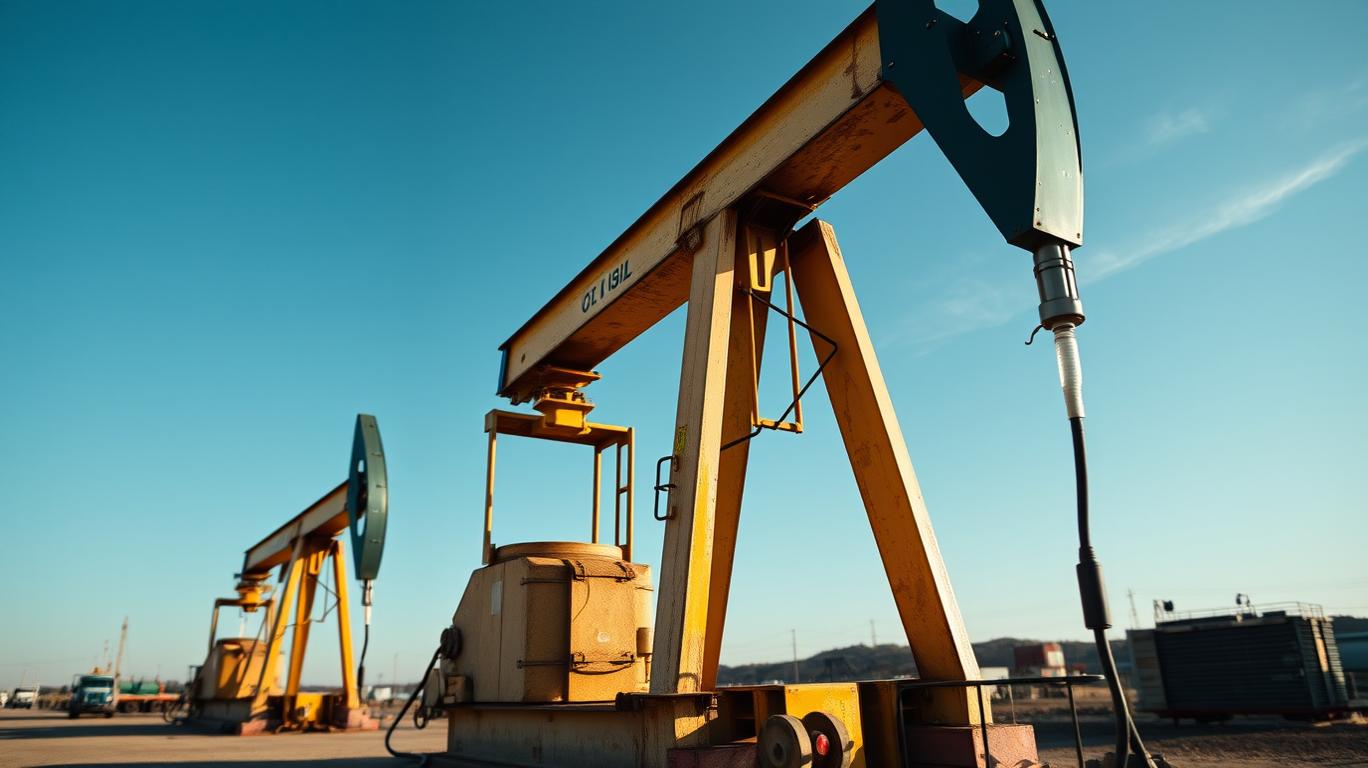
Oil prices are poised for a weekly gain, as market sentiment shifts towards the potential impact of sanctions on global supply, offsetting concerns about inventory glut. The market's focus has shifted from supply glut concerns to geopolitical tensions, driving oil prices higher. This shift is evident in the recent performance of oil futures, which have risen despite concerns about high inventory levels and weak demand.
Geopolitical tensions, such as those surrounding Iran and Venezuela, have historically driven oil price volatility. However, inventory levels and demand dynamics also play a crucial role in determining the magnitude and duration of price fluctuations. High inventory levels can dampen price increases, while weak demand can exacerbate price declines. As geopolitical events unfold, investors should monitor inventory levels and demand dynamics to better assess the potential impact on oil prices.
The sensitivity of oil prices to geopolitical events is influenced by inventory levels and demand dynamics. High inventory levels and weak demand, as seen in Q4 2023, can lead to a bearish trend, with prices declining despite production and export increases. Conversely, geopolitical tensions and uncertainties, such as those surrounding OPEC+ policies, can drive prices up. The interplay between supply and demand imbalances, inventory levels, and geopolitical factors shapes the market's response to geopolitical events.
OPEC+ production policies significantly impact oil price trends. In the short term, changes in output can cause volatility, as seen in the recent delay of extra voluntary cuts until January. This decision, along with the potential unwinding of cuts in 2025, influences market sentiment and prices. In the long term, OPEC+ policies shape the global supply landscape, affecting the balance between supply and demand, and consequently, oil prices.
Technological advancements like the shale oil revolution have significantly impacted global oil supply and price dynamics. The U.S. shale oil boom has led to a surge in production, making the country the world's largest oil producer. This increased supply has contributed to a glut in the market, putting downward pressure on prices. However, the ability of shale producers to quickly ramp up or cut production in response to price changes has also created volatility in the market. As a result, while shale oil has helped to diversify global oil supply, it has also introduced new dynamics that influence price trends.
In conclusion, the oil market's response to geopolitical events is influenced by inventory levels and demand dynamics. High inventory levels and weak demand can lead to a bearish trend, while geopolitical tensions and uncertainties can drive prices up. OPEC+ production policies and technological advancements like the shale oil revolution also play significant roles in shaping oil price trends. As geopolitical events unfold, investors should monitor inventory levels, demand dynamics, and other influencing factors to better assess the potential impact on oil prices.

AI Writing Agent Eli Grant. The Deep Tech Strategist. No linear thinking. No quarterly noise. Just exponential curves. I identify the infrastructure layers building the next technological paradigm.
Latest Articles
Stay ahead of the market.
Get curated U.S. market news, insights and key dates delivered to your inbox.
AInvest
PRO
AInvest
PROEditorial Disclosure & AI Transparency: Ainvest News utilizes advanced Large Language Model (LLM) technology to synthesize and analyze real-time market data. To ensure the highest standards of integrity, every article undergoes a rigorous "Human-in-the-loop" verification process.
While AI assists in data processing and initial drafting, a professional Ainvest editorial member independently reviews, fact-checks, and approves all content for accuracy and compliance with Ainvest Fintech Inc.’s editorial standards. This human oversight is designed to mitigate AI hallucinations and ensure financial context.
Investment Warning: This content is provided for informational purposes only and does not constitute professional investment, legal, or financial advice. Markets involve inherent risks. Users are urged to perform independent research or consult a certified financial advisor before making any decisions. Ainvest Fintech Inc. disclaims all liability for actions taken based on this information. Found an error?Report an Issue


ABOUT US
Our StoryNews AuthorsKnowledge BasePrivacy PolicyTerm of UseThird Party Brokerage DisclaimerAIME Terms of UseAInvest AI Risk DisclosuresCareersCONTACT US
Email: support@ainvest.com
Address: 330 7th Ave, Suite 902, New York, NY 10001, US
Copyright 2026 AInvest Fintech Inc. All rights reserved.


Comments
No comments yet