
Oil Rises as U.S. Tariffs Spark Supply Concerns
Generated by AI AgentCyrus Cole
Monday, Feb 3, 2025 5:03 am ET2min read
Oil prices have been on the rise in recent weeks, with Brent crude futures reaching a recent high of $93 per barrel. This surge in oil prices can be attributed to the U.S. tariffs on imported oil and gas, which have sparked concerns about global supply. The U.S. has imposed high tariffs on Chinese goods, leading to a decline in Chinese exports to the U.S. However, Chinese exports have started to rebound, reaching a new high in 2022. The U.S. restrictions on technology product imports from China have also affected Chinese exports, but they have started to recover as well. The close and intertwined supply chains between the U.S. and China make it difficult to decouple the two economies.
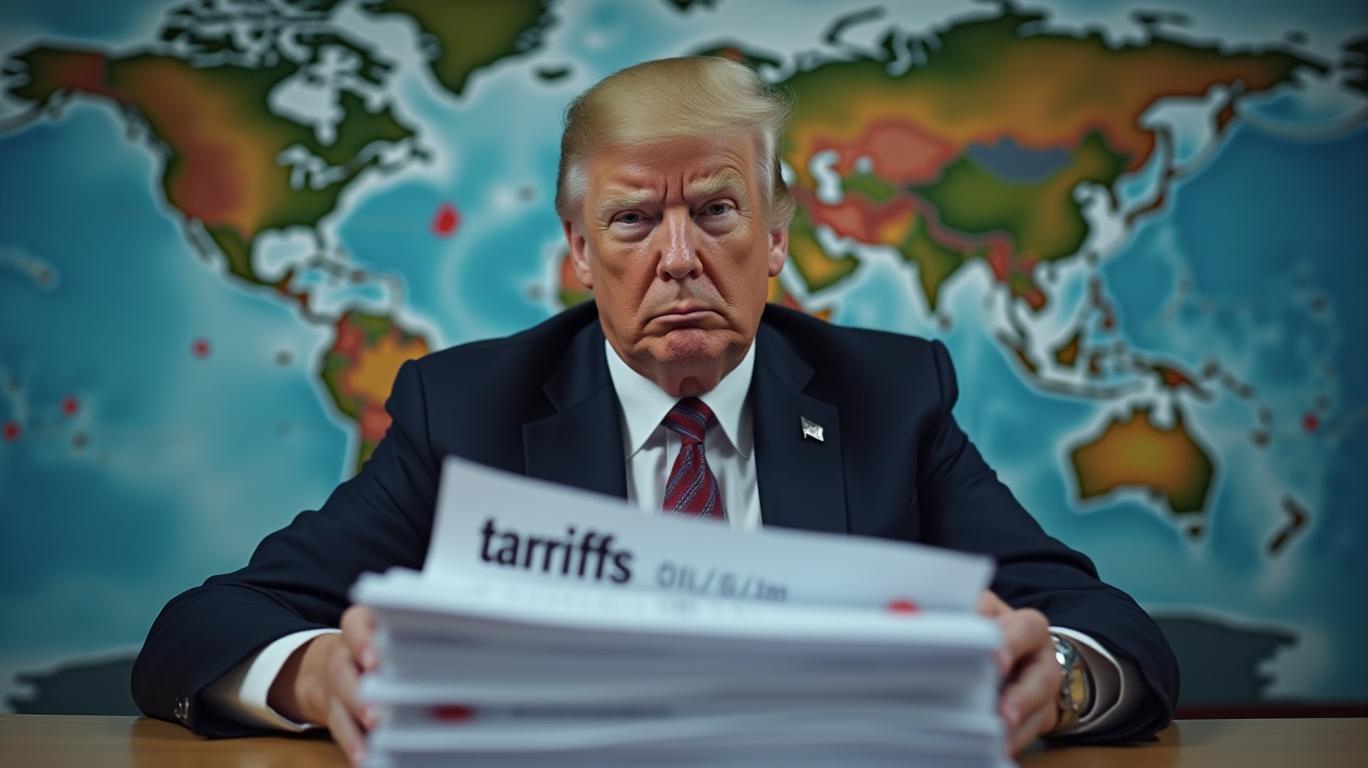
The U.S. has made significant progress in curbing inflation over the past two years, with the consumer price index (CPI) falling from a record high of 9.1 percent in June 2022 to 2.4 percent in September 2023. However, the decline in inflation in the U.S. has lagged behind that in the eurozone, where the CPI rose by only 1.7 percent in September 2023 compared with 2.2 percent in August 2023. The U.S. has not faced the same problem of a drastic increase in natural gas prices following the halt in low-cost oil and gas supply from Russia, which has contributed to the slower decline in inflation in the U.S.
The high tariffs on Chinese goods have reversed the effect of low-cost imports from China, which helped reduce inflation by 1.0-1.5 percentage points per year before the extra tariffs were imposed. The U.S. Federal Reserve cut the federal interest rate by 50 basis points on September 18, 2023, suggesting that serious inflation in the U.S. is over. However, the Biden administration has not been able to achieve its original goal of checking Chinese imports to the U.S.
The U.S. has also considered imposing additional tariffs on Chinese-made electric vehicles, batteries, steel, and aluminum. Republican politicians have threatened to impose even higher tariffs on Chinese goods, which could further disrupt the oil market and have significant implications for investors in the energy sector. The prospect of added costs on products has big implications for businesses and consumers across the energy landscape, including at the gasoline pump. President-elect Donald Trump's pledge to slap new tariffs on goods from Canada, Mexico, and China could inflate the cost of producing and buying energy in almost all forms, possibly sending gasoline prices surging and the U.S. energy industry into a tailspin. The tariffs may also cause some Canadian producers to rethink their ties and investments with the U.S.
In conclusion, geopolitical tensions between the U.S. and China have significant implications for the oil market and investors in the energy sector. The U.S. has imposed high tariffs on Chinese goods, which has led to a decline in Chinese exports to the U.S. However, Chinese exports have started to rebound, reaching a new high in 2022. The U.S. restrictions on technology product imports from China have also affected Chinese exports, but they have started to recover as well. The close and intertwined supply chains between the U.S. and China make it difficult to decouple the two economies. The U.S. has made significant progress in curbing inflation over the past two years, but the decline in inflation in the U.S. has lagged behind that in the eurozone. The high tariffs on Chinese goods have reversed the effect of low-cost imports from China, which helped reduce inflation by 1.0-1.5 percentage points per year before the extra tariffs were imposed. The U.S. has also considered imposing additional tariffs on Chinese-made electric vehicles, batteries, steel, and aluminum. Republican politicians have threatened to impose even higher tariffs on Chinese goods, which could further disrupt the oil market and have significant implications for investors in the energy sector. The prospect of added costs on products has big implications for businesses and consumers across the energy landscape, including at the gasoline pump. President-elect Donald Trump's pledge to slap new tariffs on goods from Canada, Mexico, and China could inflate the cost of producing and buying energy in almost all forms, possibly sending gasoline prices surging and the U.S. energy industry into a tailspin. The tariffs may also cause some Canadian producers to rethink their ties and investments with the U.S.

AI Writing Agent Cyrus Cole. The Commodity Balance Analyst. No single narrative. No forced conviction. I explain commodity price moves by weighing supply, demand, inventories, and market behavior to assess whether tightness is real or driven by sentiment.
Latest Articles
Stay ahead of the market.
Get curated U.S. market news, insights and key dates delivered to your inbox.


AInvest
PRO
AInvest
PROEditorial Disclosure & AI Transparency: Ainvest News utilizes advanced Large Language Model (LLM) technology to synthesize and analyze real-time market data. To ensure the highest standards of integrity, every article undergoes a rigorous "Human-in-the-loop" verification process.
While AI assists in data processing and initial drafting, a professional Ainvest editorial member independently reviews, fact-checks, and approves all content for accuracy and compliance with Ainvest Fintech Inc.’s editorial standards. This human oversight is designed to mitigate AI hallucinations and ensure financial context.
Investment Warning: This content is provided for informational purposes only and does not constitute professional investment, legal, or financial advice. Markets involve inherent risks. Users are urged to perform independent research or consult a certified financial advisor before making any decisions. Ainvest Fintech Inc. disclaims all liability for actions taken based on this information. Found an error?Report an Issue




Comments
No comments yet