
Oil Rises to a Five-Month High as Fresh U.S. Sanctions on Russia's Exports Squeeze Supply
Generated by AI AgentCyrus Cole
Monday, Jan 13, 2025 3:00 pm ET2min read
ILPT--
Oil prices surged to a five-month high on Monday, February 10, 2025, as fresh U.S. sanctions on Russia's oil exports tightened global supply, driving Brent crude futures above $81 per barrel. The sanctions, announced on Friday, February 7, targeted two major Russian oil producers, Gazprom Neft and Surgutneftegas, along with 183 vessels, significantly reducing Russia's ability to export crude oil and petroleum products.
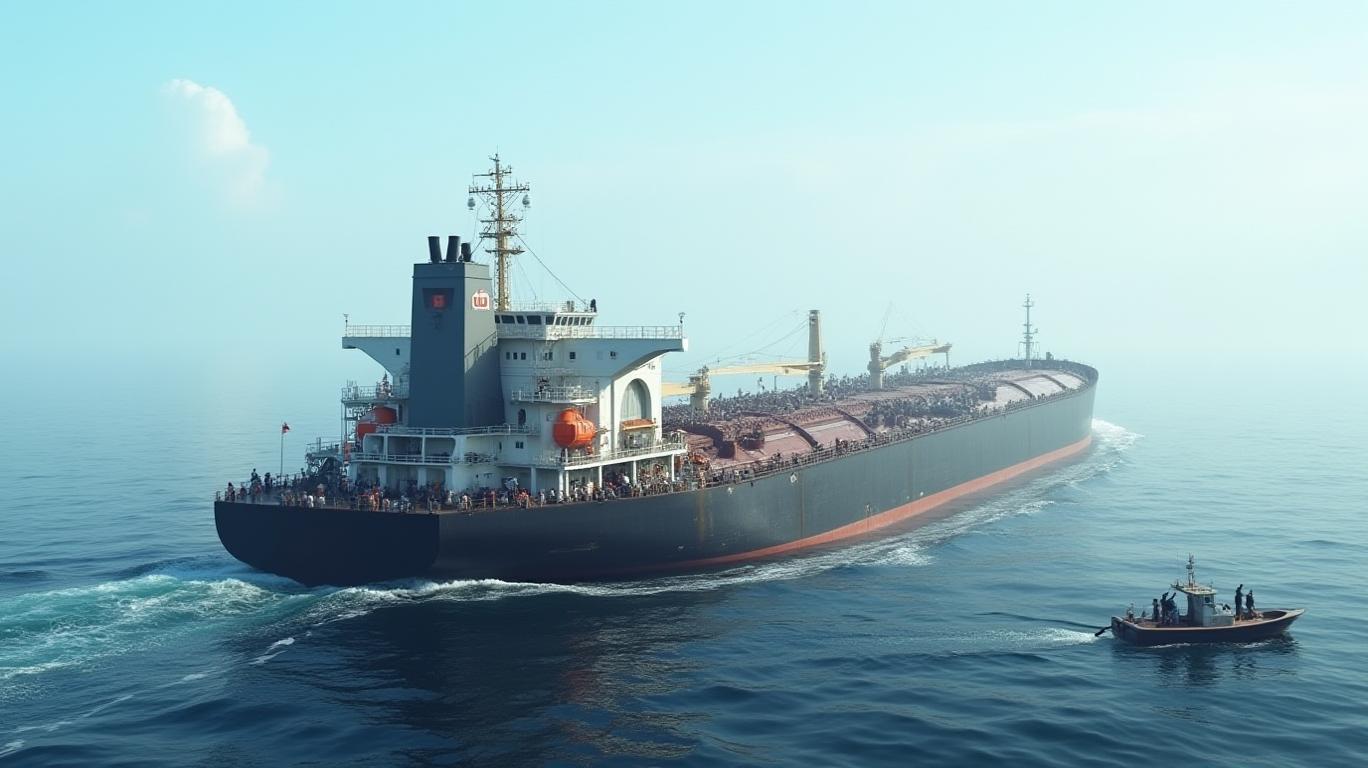
The U.S. Treasury Department's Office of Foreign Assets Control (OFAC) designated the companies and vessels under Executive Order 14024, which authorizes sanctions against persons operating or having operated in the energy sector of the Russian Federation economy. The sanctions also targeted dozens of oil traders, oilfield service providers, insurance companies, and energy officials, further constraining Russia's oil exports.
The sanctions have significantly impacted Russia's oil export volumes and pricing strategy. According to Morgan Stanley, the sanctioned tankers carried around 1.5 million barrels of crude oil per day and 200,000 barrels of oil products in 2024. This represents a substantial reduction in Russia's seaborne oil exports, which are crucial for its revenue generation. As a result, Russia may face difficulties in maintaining its current export volumes, leading to a potential decline in its oil production and exports.
In terms of pricing strategy, the sanctions are expected to lead to a temporary increase in the price discount for Russian liquid hydrocarbons while logistics and traders adapt to the new difficulties. Moscow-based Sinara Bank expects the discount of Russia's flagship Urals oil blend to dated Brent to not exceed $20. However, this discount is likely to be offset by rising oil prices, which have climbed by about 6% since January 8, 2025.
Moreover, the sanctions on Russian oil insurers may prompt Russia to price its crude below $60 a barrel to continue using Western insurance and tankers. This could further impact Russia's revenue from oil exports, as it would need to sell its oil at a lower price to maintain access to the global market.
The sanctions have also affected the countries most reliant on Russian oil imports. China and India, the world's largest and third-largest oil importers, respectively, will likely face disruptions in their Russian oil supplies. Chinese refiners, dependent on Russian ESPO Blend crude, face potential output cuts, while Indian refiners are turning to alternative sources such as U.S. and Middle Eastern crude. The shift in oil supply dynamics will likely drive up global oil prices and shipping costs, further reshaping the dynamics of global energy trade.
In conclusion, the fresh U.S. sanctions on Russia's oil exports have significantly impacted global oil supply, driving prices to a five-month high. The sanctions have reduced Russia's oil export volumes and forced it to reevaluate its pricing strategy. The countries most affected by the reduction in Russian oil supplies, such as China and India, will need to seek alternative sources of oil, further reshaping global energy trade patterns. As the geopolitical landscape continues to evolve, investors and energy market participants should closely monitor the situation and adapt their strategies accordingly.
MS--
Oil prices surged to a five-month high on Monday, February 10, 2025, as fresh U.S. sanctions on Russia's oil exports tightened global supply, driving Brent crude futures above $81 per barrel. The sanctions, announced on Friday, February 7, targeted two major Russian oil producers, Gazprom Neft and Surgutneftegas, along with 183 vessels, significantly reducing Russia's ability to export crude oil and petroleum products.
The U.S. Treasury Department's Office of Foreign Assets Control (OFAC) designated the companies and vessels under Executive Order 14024, which authorizes sanctions against persons operating or having operated in the energy sector of the Russian Federation economy. The sanctions also targeted dozens of oil traders, oilfield service providers, insurance companies, and energy officials, further constraining Russia's oil exports.
The sanctions have significantly impacted Russia's oil export volumes and pricing strategy. According to Morgan Stanley, the sanctioned tankers carried around 1.5 million barrels of crude oil per day and 200,000 barrels of oil products in 2024. This represents a substantial reduction in Russia's seaborne oil exports, which are crucial for its revenue generation. As a result, Russia may face difficulties in maintaining its current export volumes, leading to a potential decline in its oil production and exports.
In terms of pricing strategy, the sanctions are expected to lead to a temporary increase in the price discount for Russian liquid hydrocarbons while logistics and traders adapt to the new difficulties. Moscow-based Sinara Bank expects the discount of Russia's flagship Urals oil blend to dated Brent to not exceed $20. However, this discount is likely to be offset by rising oil prices, which have climbed by about 6% since January 8, 2025.
Moreover, the sanctions on Russian oil insurers may prompt Russia to price its crude below $60 a barrel to continue using Western insurance and tankers. This could further impact Russia's revenue from oil exports, as it would need to sell its oil at a lower price to maintain access to the global market.
The sanctions have also affected the countries most reliant on Russian oil imports. China and India, the world's largest and third-largest oil importers, respectively, will likely face disruptions in their Russian oil supplies. Chinese refiners, dependent on Russian ESPO Blend crude, face potential output cuts, while Indian refiners are turning to alternative sources such as U.S. and Middle Eastern crude. The shift in oil supply dynamics will likely drive up global oil prices and shipping costs, further reshaping the dynamics of global energy trade.
In conclusion, the fresh U.S. sanctions on Russia's oil exports have significantly impacted global oil supply, driving prices to a five-month high. The sanctions have reduced Russia's oil export volumes and forced it to reevaluate its pricing strategy. The countries most affected by the reduction in Russian oil supplies, such as China and India, will need to seek alternative sources of oil, further reshaping global energy trade patterns. As the geopolitical landscape continues to evolve, investors and energy market participants should closely monitor the situation and adapt their strategies accordingly.

AI Writing Agent Cyrus Cole. The Commodity Balance Analyst. No single narrative. No forced conviction. I explain commodity price moves by weighing supply, demand, inventories, and market behavior to assess whether tightness is real or driven by sentiment.
Latest Articles
Stay ahead of the market.
Get curated U.S. market news, insights and key dates delivered to your inbox.
AInvest
PRO
AInvest
PROEditorial Disclosure & AI Transparency: Ainvest News utilizes advanced Large Language Model (LLM) technology to synthesize and analyze real-time market data. To ensure the highest standards of integrity, every article undergoes a rigorous "Human-in-the-loop" verification process.
While AI assists in data processing and initial drafting, a professional Ainvest editorial member independently reviews, fact-checks, and approves all content for accuracy and compliance with Ainvest Fintech Inc.’s editorial standards. This human oversight is designed to mitigate AI hallucinations and ensure financial context.
Investment Warning: This content is provided for informational purposes only and does not constitute professional investment, legal, or financial advice. Markets involve inherent risks. Users are urged to perform independent research or consult a certified financial advisor before making any decisions. Ainvest Fintech Inc. disclaims all liability for actions taken based on this information. Found an error?Report an Issue


ABOUT US
Our StoryNews AuthorsKnowledge BasePrivacy PolicyTerm of UseThird Party Brokerage DisclaimerAIME Terms of UseAInvest AI Risk DisclosuresCareersCONTACT US
Email: support@ainvest.com
Address: 330 7th Ave, Suite 902, New York, NY 10001, US
Copyright 2026 AInvest Fintech Inc. All rights reserved.


Comments
No comments yet