
Oil Rigs Rise Amid Geopolitical Uncertainty — But Refining Lags Behind
 Aime Summary
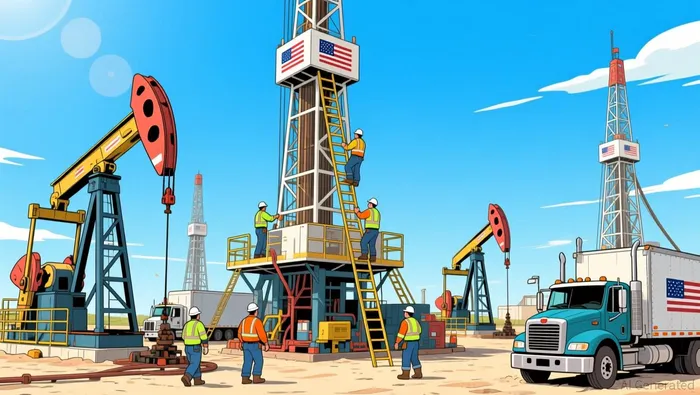
The U.S. oil rig count climbed to 411 in the week ending April 3, 2026, according to Baker HughesBKR--. This marks a modest but notable increase from the previous week's count of 409, signaling continued momentum in U.S. oil drilling activity. The total U.S. rig count also rose by 5 to 548, with both oil and gas rigs contributing to the uptick according to Baker Hughes. This slight rise suggests that operators are responding to recent price movements and improving demand conditions, although it remains to be seen whether this trend will persist amid ongoing geopolitical uncertainty.
The increase in oil rigs may be interpreted as a positive signal for domestic oil production. However, it's important to contextualize the data within broader supply-demand dynamics. For instance, the United States set a record for crude oil production in 2025, but still exported much of its output due to limitations in refining capabilities. This indicates that while production is rising, the ability to convert that production into marketable refined products is constrained. As such, the rise in rigs may not directly translate into a significant drop in gasoline prices or immediate improvements in refining efficiency.
Investors should also consider the geopolitical factors shaping energy markets. U.S. President Trump's comments about Iran have contributed to rising oil prices above $116 per barrel. Such statements have historically driven volatility in energy markets, as even the possibility of conflict or sanctions can alter expectations about oil supply. The Dallas Fed recently highlighted that ongoing geopolitical tensions are creating uncertainty for the U.S. oil and gas industry, with oil prices and associated costs expected to remain elevated for the foreseeable future.
The latest rig count also comes amid a broader set of economic data that traders are monitoring. Key economic data releases, including initial jobless claims and trade balance figures, will continue to shape market sentiment in the days ahead. These indicators may provide further insight into labor market strength and international trade dynamics, which in turn influence energy demand and production decisions. While the rise in rigs is a leading indicator of potential output increases, investors should remain cautious about interpreting it as a definitive sign of sustained momentum, especially in the context of persistent global energy supply risks.

Stay ahead of the market.
Get curated U.S. market news, insights and key dates delivered to your inbox.


AInvest
PRO
AInvest
PRO



Comments
No comments yet