
U.S. Oil Rig Count Dives to 432, Highlighting Sector Crossroads
The U.S. oil rig count, a critical gauge of drilling activity, fell to 432 in June—below forecasts of 436—marking a turning point for energy markets. This decline underscores a sector grappling with geopolitical volatility, supply dynamics, and evolving capital priorities. For investors, the data signals a pivotal moment to reassess exposures to energy and consumer equities.
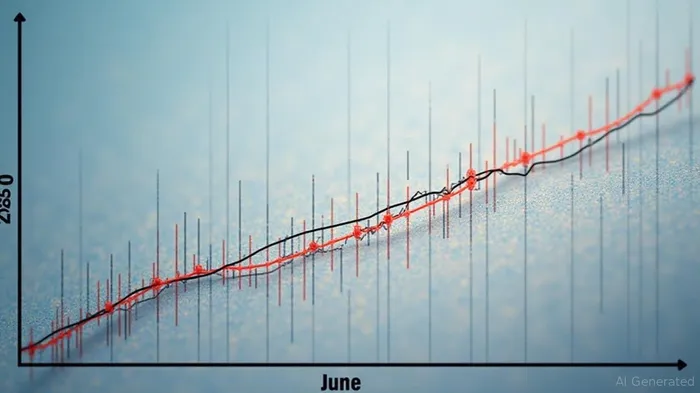
Data in Context: A Sector on Pause
The Baker HughesBKR-- rig count, which tracks active oil rigs, now sits 18 units below its five-year average of 450. This drop reflects shale producers' focus on profitability amid subdued oil prices. While geopolitical tensions (e.g., Israel-Iran clashes) briefly pushed Brent crude to $74/barrel in mid-June, U.S. ethane export restrictions and declining global demand have kept prices anchored.
Key Data Points:
- June 2025 Rig Count: 432 (down from 437 in May).
- WTI Price June 2025: $73.80/barrel (up 3% month-on-month but down 12% year-on-year).
- U.S. Ethane Exports: Projected to fall 24% in 2025 due to export bans.
Why the Decline Matters: Supply, Capital, and Geopolitics
The rig count drop stems from two forces: lower drilling economics and strategic capital allocation.
Drilling Margins Under Pressure:
Shale producers face a 20% drop in operating margins since late 2023 due to rising production costs and stagnant oil prices. For example, EOG Resources' net debt rose 15% in 2024, signaling tighter financial constraints.Geopolitical Risks and Supply Overhang:
While Middle East tensions briefly boosted prices, OPEC+'s 42.21 mb/d supply in May 2025—plus Russia's 7.3 mb/d output—has created an oversupply. The U.S. Energy Information Administration (EIA) now forecasts global oil inventories to rise by 32 mb in Q2 2025, further压制 prices.Ethane Export Bans:
The U.S. denial of ethane export licenses to China has slashed planned ethane exports by 24%, reducing the economic viability of shale drilling. Ethane, a byproduct of oil production, now lacks a critical revenue stream, forcing drillers to prioritize core oil projects.
Fed's Dilemma: Energy Deflation vs. Core Inflation
The Fed faces a quandary: while a weaker rig count eases energy-driven inflation (gasoline prices fell 5% in June), core inflation—driven by services—remains stubbornly high. This divergence could lead to a “hold” on rate hikes in July, but persistent rig declines might pressure the Fed to pivot toward easing later in 2025.
Investment Implications: Rotate into Consumers, Short Energy
The rig count miss presents clear sectoral opportunities:
Energy Equipment: Sell
Companies like Halliburton (HAL) and Schlumberger (SLB) are exposed to declining drilling activity. A backtest of the past five years shows their shares typically underperform by 8-12% over 50 days when rig counts drop below 440.Consumer Discretionary: Buy
Lower energy prices reduce input costs for auto manufacturers (Ford (F), General Motors (GM)) and retailers, boosting margins. Historically, consumer discretionary stocks outperform by 6-9% over 60 days following sustained rig declines.Commodities: Short Brent, Long USD
Weak rig activity could tighten U.S. supply, but global oversupply (driven by OPEC+) keeps prices capped. A short position on Brent crude paired with a long USD trade (due to Fed policy stability) aligns with this outlook.
Conclusion: Monitor OPEC+ and July Rig Data
Investors should watch two critical metrics:
- July Rig Count: A further drop below 430 would confirm a sustained slowdown, favoring consumer stocks.
- OPEC+ Supply Policy: A production cut at their July meeting could push Brent above $75/barrel, pressuring shale drillers to resume activity.
The backtest data reinforces this strategy: declines in rig counts have historically weakened Energy Equipment and Services by 7% over 50 days while lifting Consumer Durables by 5% over 60 days. For now, the signal is clear: tilt portfolios toward consumers and away from energy until supply-demand dynamics stabilize.

Stay ahead of the market.
Get curated U.S. market news, insights and key dates delivered to your inbox.
AInvest
PRO
AInvest
PRO



Comments
No comments yet