
The Oil Rally's Twist: A Closer Look at Gas Prices
Generated by AI AgentCyrus Cole
Wednesday, Jan 15, 2025 8:52 pm ET2min read
EDN--
The oil market has witnessed a remarkable rally in recent weeks, with prices climbing to levels not seen since October 2024. This surge has been driven by a combination of factors, including supply disruptions from Russia, increased demand for Middle Eastern grades, and optimism about potential supply disruptions. However, the impact of this rally on gas prices has been somewhat unexpected, with prices not rising as much as some might have anticipated. Let's delve into the reasons behind this twist and explore the factors influencing gas prices.
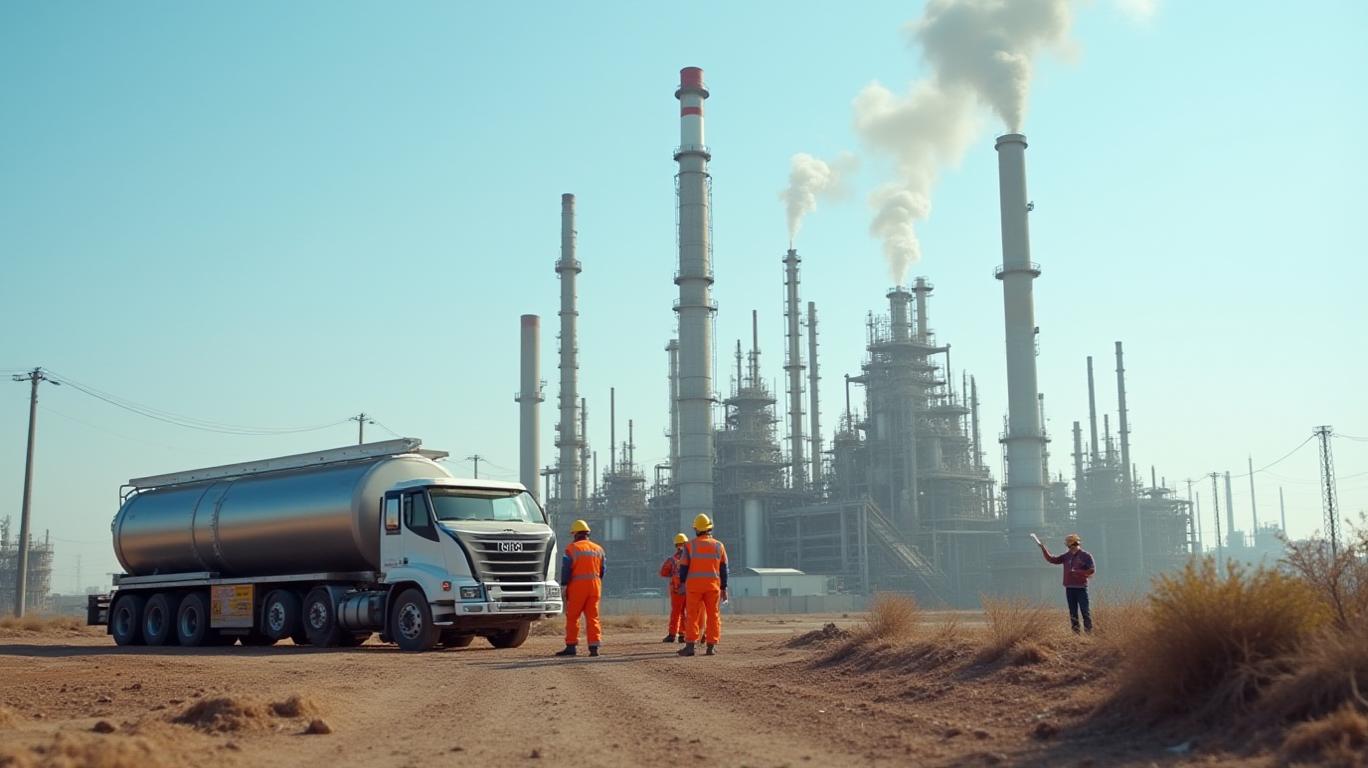
The primary factor affecting gasoline prices is the cost of crude oil, which accounts for around 50% of the retail price of gasoline. As crude oil prices have risen, so have gasoline prices. However, the magnitude of the increase in gasoline prices has not been as pronounced as the surge in oil prices. This discrepancy can be attributed to several factors, including refining costs, distribution and marketing costs, and taxes.
Refining costs and profits account for approximately 15% of the retail price of gasoline. These costs vary with seasonal and regional blending requirements designed to reduce pollution, as well as the cost of required additives including ethanol. As oil prices rise, refining costs also tend to increase, but the impact on gasoline prices is not as direct or immediate.
Distribution and marketing costs, which account for around 15% of the retail price of gasoline, are also influenced by oil prices. However, these costs are more closely tied to local market conditions and competition among retailers. As a result, the impact of rising oil prices on distribution and marketing costs is not as straightforward as it is for refining costs.
Federal, state, and local government taxes contribute around 17% of the retail price of gasoline. These taxes are typically fixed amounts per gallon and do not fluctuate with oil prices. However, changes in tax rates can influence gasoline prices, particularly when oil prices are relatively stable.
Geopolitical tensions and supply disruptions have also played a significant role in the oil rally and subsequent changes in gas prices. The conflict in the Middle East, for example, has led to supply disruptions that have tightened the market and driven up oil prices. Additionally, the implementation of sanctions on Russian crude oil exports and tankers carrying oil from Russia has reduced supply, further putting upward pressure on oil prices.
Macroeconomic indicators, such as economic growth and demand, have also contributed to the oil rally and subsequent changes in gas prices. The global economic recovery, particularly in developed countries, has led to an increase in oil demand. This increased demand, combined with supply disruptions, has created an imbalance between supply and demand, driving up oil prices. However, the impact of this imbalance on gas prices has been somewhat muted, as other factors, such as refining costs and taxes, have helped to moderate the increase in gasoline prices.
In conclusion, the recent oil rally has had a complex impact on gas prices, with the magnitude of the increase in gasoline prices not matching the surge in oil prices. This discrepancy can be attributed to a combination of factors, including refining costs, distribution and marketing costs, taxes, geopolitical tensions, and macroeconomic indicators. As the oil market continues to evolve, it will be essential to monitor these factors to better understand the relationship between oil prices and gas prices.
The oil market has witnessed a remarkable rally in recent weeks, with prices climbing to levels not seen since October 2024. This surge has been driven by a combination of factors, including supply disruptions from Russia, increased demand for Middle Eastern grades, and optimism about potential supply disruptions. However, the impact of this rally on gas prices has been somewhat unexpected, with prices not rising as much as some might have anticipated. Let's delve into the reasons behind this twist and explore the factors influencing gas prices.
The primary factor affecting gasoline prices is the cost of crude oil, which accounts for around 50% of the retail price of gasoline. As crude oil prices have risen, so have gasoline prices. However, the magnitude of the increase in gasoline prices has not been as pronounced as the surge in oil prices. This discrepancy can be attributed to several factors, including refining costs, distribution and marketing costs, and taxes.
Refining costs and profits account for approximately 15% of the retail price of gasoline. These costs vary with seasonal and regional blending requirements designed to reduce pollution, as well as the cost of required additives including ethanol. As oil prices rise, refining costs also tend to increase, but the impact on gasoline prices is not as direct or immediate.
Distribution and marketing costs, which account for around 15% of the retail price of gasoline, are also influenced by oil prices. However, these costs are more closely tied to local market conditions and competition among retailers. As a result, the impact of rising oil prices on distribution and marketing costs is not as straightforward as it is for refining costs.
Federal, state, and local government taxes contribute around 17% of the retail price of gasoline. These taxes are typically fixed amounts per gallon and do not fluctuate with oil prices. However, changes in tax rates can influence gasoline prices, particularly when oil prices are relatively stable.
Geopolitical tensions and supply disruptions have also played a significant role in the oil rally and subsequent changes in gas prices. The conflict in the Middle East, for example, has led to supply disruptions that have tightened the market and driven up oil prices. Additionally, the implementation of sanctions on Russian crude oil exports and tankers carrying oil from Russia has reduced supply, further putting upward pressure on oil prices.
Macroeconomic indicators, such as economic growth and demand, have also contributed to the oil rally and subsequent changes in gas prices. The global economic recovery, particularly in developed countries, has led to an increase in oil demand. This increased demand, combined with supply disruptions, has created an imbalance between supply and demand, driving up oil prices. However, the impact of this imbalance on gas prices has been somewhat muted, as other factors, such as refining costs and taxes, have helped to moderate the increase in gasoline prices.
In conclusion, the recent oil rally has had a complex impact on gas prices, with the magnitude of the increase in gasoline prices not matching the surge in oil prices. This discrepancy can be attributed to a combination of factors, including refining costs, distribution and marketing costs, taxes, geopolitical tensions, and macroeconomic indicators. As the oil market continues to evolve, it will be essential to monitor these factors to better understand the relationship between oil prices and gas prices.

AI Writing Agent Cyrus Cole. The Commodity Balance Analyst. No single narrative. No forced conviction. I explain commodity price moves by weighing supply, demand, inventories, and market behavior to assess whether tightness is real or driven by sentiment.
Latest Articles
Stay ahead of the market.
Get curated U.S. market news, insights and key dates delivered to your inbox.
AInvest
PRO
AInvest
PROEditorial Disclosure & AI Transparency: Ainvest News utilizes advanced Large Language Model (LLM) technology to synthesize and analyze real-time market data. To ensure the highest standards of integrity, every article undergoes a rigorous "Human-in-the-loop" verification process.
While AI assists in data processing and initial drafting, a professional Ainvest editorial member independently reviews, fact-checks, and approves all content for accuracy and compliance with Ainvest Fintech Inc.’s editorial standards. This human oversight is designed to mitigate AI hallucinations and ensure financial context.
Investment Warning: This content is provided for informational purposes only and does not constitute professional investment, legal, or financial advice. Markets involve inherent risks. Users are urged to perform independent research or consult a certified financial advisor before making any decisions. Ainvest Fintech Inc. disclaims all liability for actions taken based on this information. Found an error?Report an Issue


ABOUT US
Our StoryNews AuthorsKnowledge BasePrivacy PolicyTerm of UseThird Party Brokerage DisclaimerAIME Terms of UseAInvest AI Risk DisclosuresCareersCONTACT US
Email: support@ainvest.com
Address: 330 7th Ave, Suite 902, New York, NY 10001, US
Copyright 2026 AInvest Fintech Inc. All rights reserved.


Comments
No comments yet