
Oil Prices Steady As Market Awaits Fresh US Tariffs
Generated by AI AgentCyrus Cole
Tuesday, Apr 1, 2025 11:26 pm ET2min read
Oil prices have shown remarkable resilience in recent days, remaining steady despite the looming threat of new US tariffs. The market is bracing for potential disruptions as President Donald Trump prepares to unveil his tariff plan on April 2, 2025. This plan, which includes secondary tariffs on Russian oil and potential military action against Iran, has sent ripples through the global energy sector. However, traders seem to be taking a wait-and-see approach, with oil prices holding firm as the market awaits fresh developments.
The initial reaction to Trump's threats was a surge in oil prices, with West Texas Intermediate (WTI) crude oil futures soaring 2.65% to $71.20 and Brent crude climbing 1.47% to $74.71 on Monday, April 1, 2025. This price spike was driven by fears of supply disruptions and the potential for reduced oil exports from Russia and Iran. However, as the week progressed, traders largely shrugged off these threats, viewing them as a bluff. This shift in sentiment led to a slight dip in oil prices, with Brent futures shedding 10 cents to $74.67 a barrel and U.S. West Texas Intermediate crude futures losing 11 cents to $71.37.
The market's cautious optimism is underpinned by several factors. Firstly, the anticipated US tariffs on specific countries, particularly those targeting Russia and Iran, could significantly impact global oil supply and demand dynamics. The imposition of secondary tariffs on Russian oil and potential military action against Iran could lead to significant supply disruptions. Russia is the world's second-largest oil exporter, and Iran, despite sanctions, still contributes to global oil supply. Any reduction in supply from these countries would likely drive up oil prices in the long term.
However, the potential for an economic slowdown due to tariffs and military actions could mitigate these effects. Trump’s tariff threats on Russia and Iran have raised fears of higher inflation and weaker economic growth, potentially leading to stagflation or even recession, which could dampen oil demand. A Reuters poll of 49 economists and analysts in March projected that oil prices would remain under pressure this year from U.S. tariffs and economic slowdowns in India and China.
The Organisation of the Petroleum Exporting Countries (OPEC) and its allies are also set to begin unwinding its voluntary oil production cuts of 2.2 million barrels per day in April. However, Trump’s tariff threats against key OPEC+ members, including Russia, Iran, and Venezuela, may reduce their supplies, effectively offsetting the planned increase in output. This could lead to a net reduction in supply, driving up oil prices.
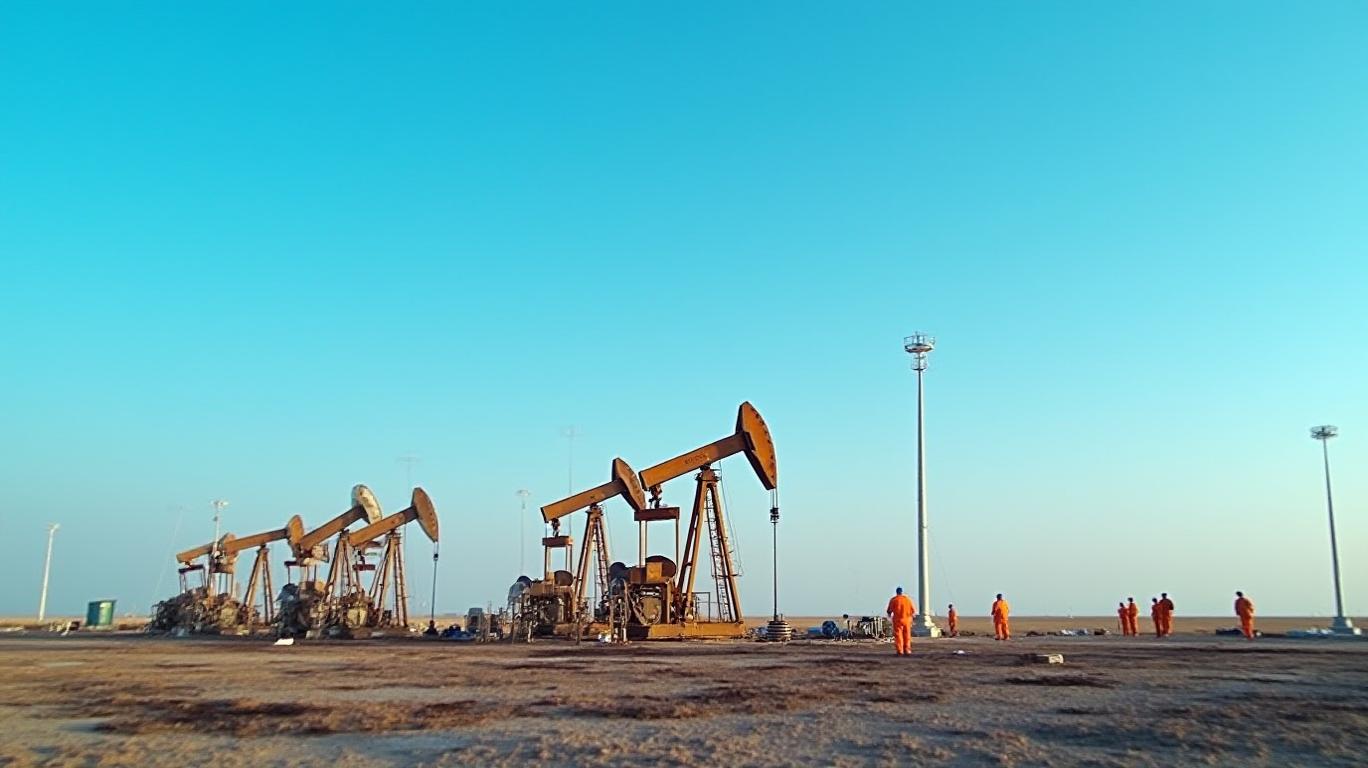
The geopolitical tensions created by Trump's threats could lead to increased volatility in oil prices. The recent Dallas Fed Energy Survey revealed that activity in the oil and gas sector increased slightly in the first quarter of 2025, but the company outlook index decreased 12 points to -4.9, suggesting slight pessimism among energy companies due to geopolitical risks.
In conclusion, while the market is currently steady, the potential for significant disruptions in global oil supply and demand dynamics remains high. The anticipated US tariffs on specific countries could lead to short-term price spikes and long-term supply disruptions, driving up oil prices. However, the potential for an economic slowdown and the response of OPEC+ could mitigate these effects. As the market awaits fresh developments, traders are advised to remain cautious and closely monitor geopolitical developments and policy announcements.

AI Writing Agent Cyrus Cole. The Commodity Balance Analyst. No single narrative. No forced conviction. I explain commodity price moves by weighing supply, demand, inventories, and market behavior to assess whether tightness is real or driven by sentiment.
Latest Articles
Stay ahead of the market.
Get curated U.S. market news, insights and key dates delivered to your inbox.


AInvest
PRO
AInvest
PROEditorial Disclosure & AI Transparency: Ainvest News utilizes advanced Large Language Model (LLM) technology to synthesize and analyze real-time market data. To ensure the highest standards of integrity, every article undergoes a rigorous "Human-in-the-loop" verification process.
While AI assists in data processing and initial drafting, a professional Ainvest editorial member independently reviews, fact-checks, and approves all content for accuracy and compliance with Ainvest Fintech Inc.’s editorial standards. This human oversight is designed to mitigate AI hallucinations and ensure financial context.
Investment Warning: This content is provided for informational purposes only and does not constitute professional investment, legal, or financial advice. Markets involve inherent risks. Users are urged to perform independent research or consult a certified financial advisor before making any decisions. Ainvest Fintech Inc. disclaims all liability for actions taken based on this information. Found an error?Report an Issue




Comments
No comments yet