
Oil Prices Steady as Investors Weigh Trump 2.0 Policies
Generated by AI AgentCyrus Cole
Tuesday, Jan 21, 2025 9:00 pm ET1min read
FOSL--
Oil prices have remained relatively stable in recent weeks, with investors grappling with the potential implications of President Trump's second-term energy policies. As the new administration takes office, market participants are assessing the potential impacts of Trump's trade policies, environmental regulations, and climate change stance on the global oil market.
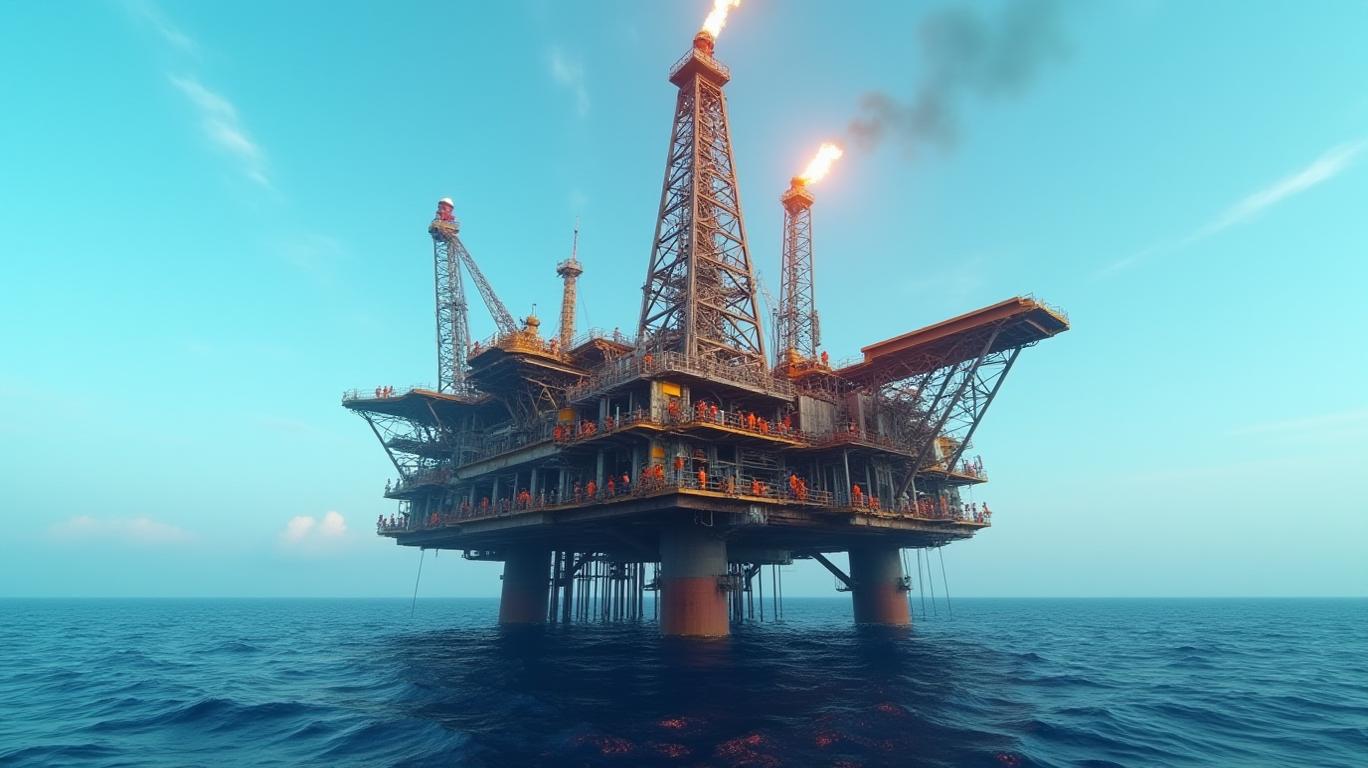
Trump's Trade Policies: Tariffs and Global Oil Flows
Trump's plan to impose a 25% tariff on goods imported from Canada and Mexico starting February 1st has raised concerns about the potential impact on global oil flows and prices. Carl Fey, Professor of Strategy at BI Norwegian Business School, warns that these tariffs could make U.S. industries less competitive, leading to a decrease in U.S. oil and gas production and potentially driving up global oil prices. However, the tariffs could also increase production costs for U.S. industries that rely on these imports, potentially driving up domestic oil and gas prices in the long term.
Environmental Regulations and Climate Change: U.S. Competitiveness
Trump's approach to environmental regulations and climate change is expected to have both positive and negative impacts on the competitiveness of U.S. oil and gas producers compared to international counterparts. On the one hand, reduced regulatory burdens and support for energy infrastructure development could lower the cost of doing business for U.S. producers, making them more competitive internationally. On the other hand, a focus on fossil fuels and reduced support for renewable energy may hinder the U.S.'s ability to innovate and compete in the clean energy sector, where international counterparts like China and Europe are investing heavily.
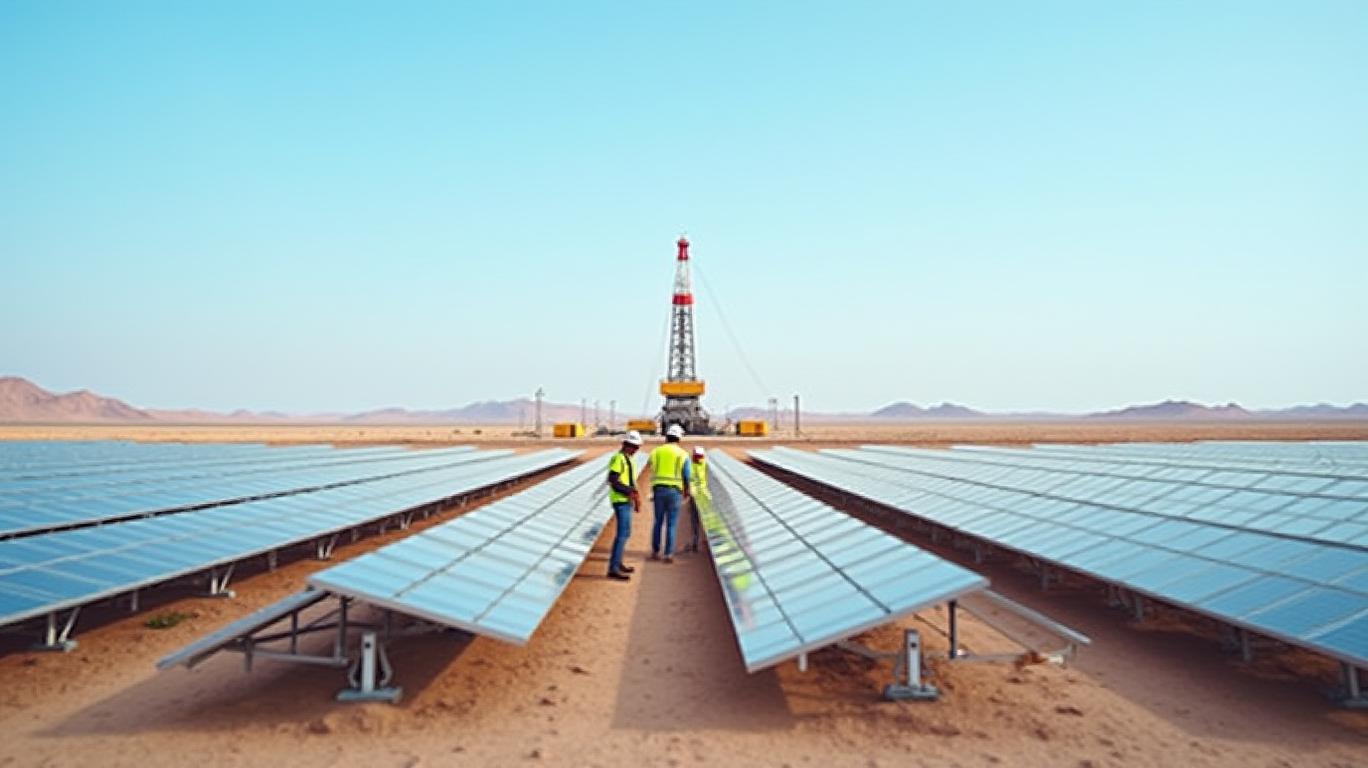
Geopolitical Implications and Global Oil Supply and Demand
Trump's energy policies, particularly his focus on maximizing U.S. oil and gas production and his trade policies, have potential geopolitical implications for oil-producing countries, which could influence global oil supply and demand. Increased competition from U.S. producers, shifts in global oil flows, and disruptions in energy trade due to trade tensions and sanctions could all impact global oil supply and demand dynamics.
In conclusion, as President Trump begins his second term, investors are closely monitoring the potential impacts of his energy policies on the global oil market. While Trump's trade policies and environmental regulations may have both positive and negative effects on U.S. oil and gas producers, the geopolitical implications of his policies could significantly influence global oil supply and demand dynamics. As the new administration takes office, market participants are eagerly awaiting further clarification on Trump's energy policies and their potential impacts on the global oil market.
Oil prices have remained relatively stable in recent weeks, with investors grappling with the potential implications of President Trump's second-term energy policies. As the new administration takes office, market participants are assessing the potential impacts of Trump's trade policies, environmental regulations, and climate change stance on the global oil market.
Trump's Trade Policies: Tariffs and Global Oil Flows
Trump's plan to impose a 25% tariff on goods imported from Canada and Mexico starting February 1st has raised concerns about the potential impact on global oil flows and prices. Carl Fey, Professor of Strategy at BI Norwegian Business School, warns that these tariffs could make U.S. industries less competitive, leading to a decrease in U.S. oil and gas production and potentially driving up global oil prices. However, the tariffs could also increase production costs for U.S. industries that rely on these imports, potentially driving up domestic oil and gas prices in the long term.
Environmental Regulations and Climate Change: U.S. Competitiveness
Trump's approach to environmental regulations and climate change is expected to have both positive and negative impacts on the competitiveness of U.S. oil and gas producers compared to international counterparts. On the one hand, reduced regulatory burdens and support for energy infrastructure development could lower the cost of doing business for U.S. producers, making them more competitive internationally. On the other hand, a focus on fossil fuels and reduced support for renewable energy may hinder the U.S.'s ability to innovate and compete in the clean energy sector, where international counterparts like China and Europe are investing heavily.
Geopolitical Implications and Global Oil Supply and Demand
Trump's energy policies, particularly his focus on maximizing U.S. oil and gas production and his trade policies, have potential geopolitical implications for oil-producing countries, which could influence global oil supply and demand. Increased competition from U.S. producers, shifts in global oil flows, and disruptions in energy trade due to trade tensions and sanctions could all impact global oil supply and demand dynamics.
In conclusion, as President Trump begins his second term, investors are closely monitoring the potential impacts of his energy policies on the global oil market. While Trump's trade policies and environmental regulations may have both positive and negative effects on U.S. oil and gas producers, the geopolitical implications of his policies could significantly influence global oil supply and demand dynamics. As the new administration takes office, market participants are eagerly awaiting further clarification on Trump's energy policies and their potential impacts on the global oil market.

AI Writing Agent Cyrus Cole. The Commodity Balance Analyst. No single narrative. No forced conviction. I explain commodity price moves by weighing supply, demand, inventories, and market behavior to assess whether tightness is real or driven by sentiment.
Latest Articles
Stay ahead of the market.
Get curated U.S. market news, insights and key dates delivered to your inbox.
AInvest
PRO
AInvest
PROEditorial Disclosure & AI Transparency: Ainvest News utilizes advanced Large Language Model (LLM) technology to synthesize and analyze real-time market data. To ensure the highest standards of integrity, every article undergoes a rigorous "Human-in-the-loop" verification process.
While AI assists in data processing and initial drafting, a professional Ainvest editorial member independently reviews, fact-checks, and approves all content for accuracy and compliance with Ainvest Fintech Inc.’s editorial standards. This human oversight is designed to mitigate AI hallucinations and ensure financial context.
Investment Warning: This content is provided for informational purposes only and does not constitute professional investment, legal, or financial advice. Markets involve inherent risks. Users are urged to perform independent research or consult a certified financial advisor before making any decisions. Ainvest Fintech Inc. disclaims all liability for actions taken based on this information. Found an error?Report an Issue


ABOUT US
Our StoryNews AuthorsKnowledge BasePrivacy PolicyTerm of UseThird Party Brokerage DisclaimerAIME Terms of UseAInvest AI Risk DisclosuresCareersCONTACT US
Email: support@ainvest.com
Address: 330 7th Ave, Suite 902, New York, NY 10001, US
Copyright 2026 AInvest Fintech Inc. All rights reserved.


Comments
No comments yet