
Oil Prices Soar Amid Iran War Escalation: What Investors Need to Know
 Aime Summary
The U.S.-Israel campaign in Iran has triggered one of the most severe oil supply shocks since the 2020 pandemic, with crude prices surging over 40% since February 28. This conflict has disrupted the Strait of Hormuz, a vital chokepoint for global oil transportation, and sent shockwaves through energy markets worldwide. For retail investors, understanding the implications of these developments is critical—especially as oil prices show no signs of stabilizing anytime soon.
Why Is the Strait of Hormuz Closure So Important for Oil Prices Today?
The Strait of Hormuz is a critical artery for global oil, responsible for transporting roughly one-fifth of the world's oil supply. With the strait largely closed due to Iranian actions and missile strikes, this disruption has sent oil prices soaring. Crude prices have surged past $116 for Brent and $103 for WTI, marking their highest levels since 2022. Analysts warn that the situation could persist for months, with damaged infrastructure and logistical challenges slowing the return to normalcy according to market analysis.
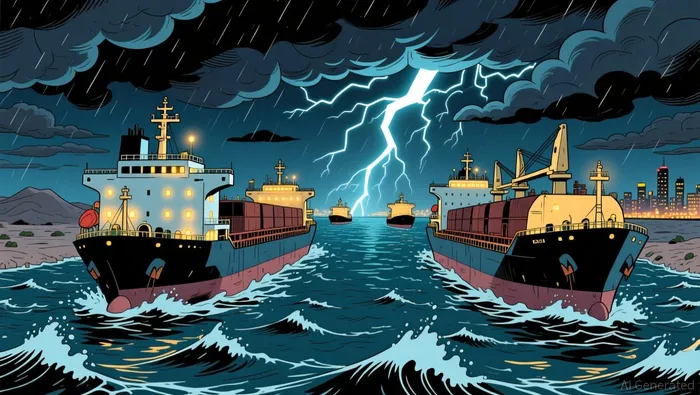
For investors, this means that crude oil ETFs and energy stocks have become attractive plays in a high-volatility environment. The geopolitical risk premium—essentially a price added to oil for uncertainty—has pushed prices upward, with some analysts estimating it could add $5–$10 per barrel to costs as reported. While Trump's recent comments suggest a potential de-escalation, analysts stress that the broader economic and supply chain effects will linger, regardless of military outcomes according to financial analysis.
Analysts are closely monitoring Trump's comments for clarity on a potential peace plan. He has hinted at a 15-point negotiation with Iran involving nuclear commitments and the reopening of the Strait of Hormuz, though Iranian officials have expressed skepticism according to reports. Even if a deal is reached, the physical damage to infrastructure—including oil processing sites and shipping routes—could keep oil prices elevated for months as market analysis shows.
What to Watch for in the Coming Weeks
Investors should keep an eye on several key developments. First, the actual status of the Strait of Hormuz and the pace at which it reopens will be critical. If the waterway remains closed for weeks, oil prices could hit $120–$135 per barrel, pushing gasoline to $5 or higher according to industry forecasts. Second, the Trump administration's broader energy agenda—favoring fossil fuels and resisting the clean energy transition—could prolong global reliance on oil and increase the likelihood of future shocks as noted by analysts.
On the financial front, oil ETFs and energy equities are expected to remain in focus as volatility persists. Additionally, rising energy costs are already filtering into inflation, with the Bureau of Labor Statistics reporting a 1.3% increase in February, largely due to higher transportation and production costs according to economic data. For now, the market is pricing in years of economic adjustment, even if the war itself may conclude within weeks as market observers note.
Investors who want to stay ahead of these developments should monitor Trump's national address on Wednesday, which could provide more clarity on the U.S. strategy in the region. In the meantime, diversifying portfolios with energy-related assets and hedging against inflationary pressures remain prudent strategies in a highly uncertain oil market.

Stay ahead of the market.
Get curated U.S. market news, insights and key dates delivered to your inbox.


AInvest
PRO
AInvest
PRO



Comments
No comments yet