
Oil Prices Rebound as Trump Promises More Tariffs
Generated by AI AgentCyrus Cole
Monday, Feb 10, 2025 9:15 am ET1min read
GBXB--
Oil prices rebounded from three consecutive losing sessions on Monday, as President Trump promised to impose yet more tariffs on key trading partners. The news sent crude oil futures surging, with Brent crude climbing 2.5% to $81.70 per barrel, and West Texas Intermediate (WTI) gaining 2.3% to $78.38 per barrel.
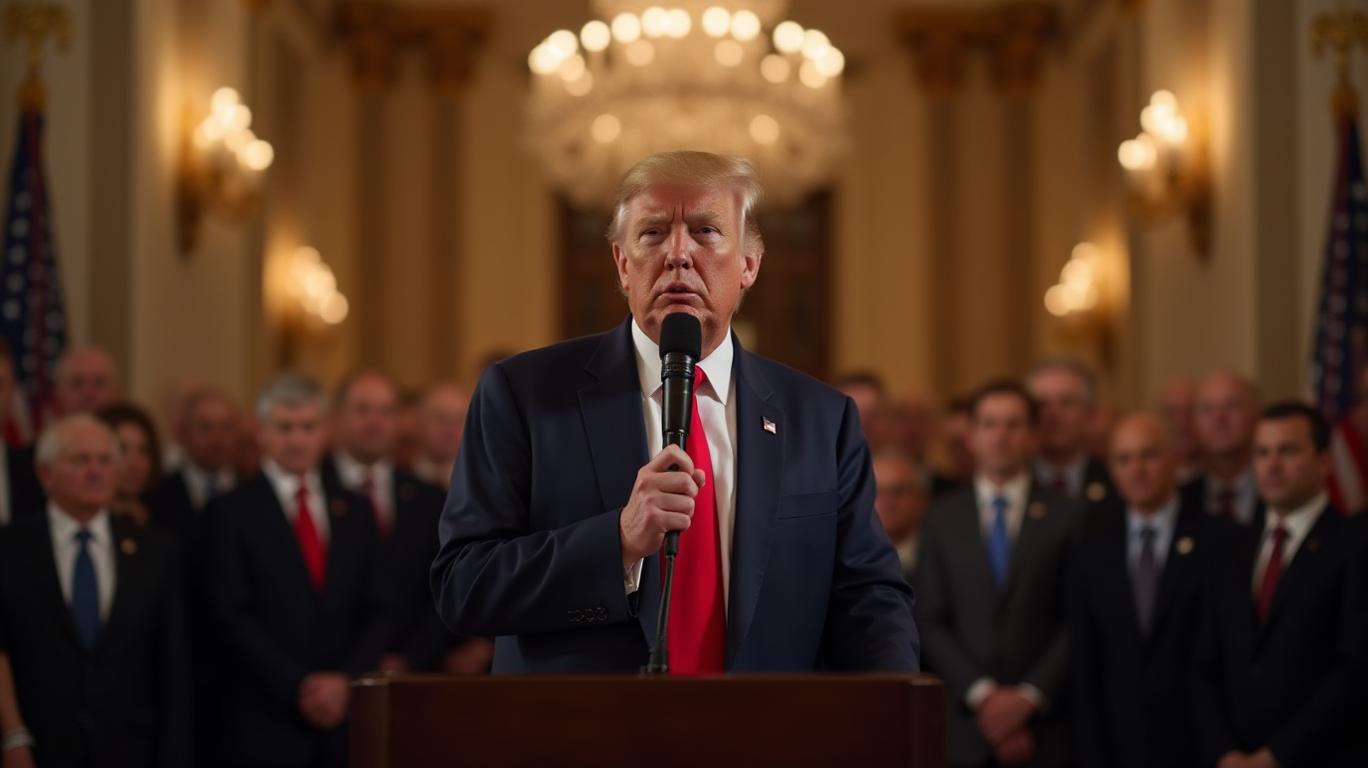
The proposed tariffs on Canada, Mexico, and China are expected to have significant impacts on global oil supply and demand dynamics. According to Wood Mackenzie, Trump's tariffs will shave 50,000 barrels per day (bpd) off U.S. oil demand by next year, as Mexican exports shift to European and Asian markets, and Canadian crude flows to the U.S. continue with a reduced tariff. Rising U.S. crude inventories and weak demand are also throwing a spanner in the works for traders, further exacerbating the situation (Source: Wood Mackenzie).
Goldman Sachs analysts expect near-term pain for gasoline prices, particularly in the U.S. Midwest, where many refineries rely on Canadian crude. Canadian oil producers are expected to bear most of the burden of the tariff, with a $3 to $4 per barrel wider-than-normal discount on Canadian crude. U.S. consumers of refined products will bear the remaining $2 to $3 per barrel burden, leading to unpopular, if temporary, gasoline price increases in the U.S. Midwest (Source: Oil Prices Down Despite the Return of Trump’s Maximum Pressure Campaign on Iran).
The proposed tariffs on Chinese goods and materials used in energy infrastructure could also create significant ripple effects, slowing infrastructure development and raising costs for renewable energy projects. This could indirectly impact the broader energy market, leading to supply chain disruptions and increased costs for energy producers and consumers alike (Source: "Trump’s broader energy policy, which focuses on maximizing U.S. oil production and rolling back regulations, could exacerbate these disruptions").
In conclusion, Trump's proposed tariffs on Canada, Mexico, and China are expected to have significant short-term and long-term impacts on global oil supply and demand dynamics. These impacts include reduced U.S. oil demand, disruptions in global supply chains, and potential volatility in crude oil prices. Additionally, Trump's broader energy policy and geopolitical developments could further exacerbate these disruptions. Investors should closely monitor the situation and consider the potential implications for their portfolios.
Oil prices rebounded from three consecutive losing sessions on Monday, as President Trump promised to impose yet more tariffs on key trading partners. The news sent crude oil futures surging, with Brent crude climbing 2.5% to $81.70 per barrel, and West Texas Intermediate (WTI) gaining 2.3% to $78.38 per barrel.
The proposed tariffs on Canada, Mexico, and China are expected to have significant impacts on global oil supply and demand dynamics. According to Wood Mackenzie, Trump's tariffs will shave 50,000 barrels per day (bpd) off U.S. oil demand by next year, as Mexican exports shift to European and Asian markets, and Canadian crude flows to the U.S. continue with a reduced tariff. Rising U.S. crude inventories and weak demand are also throwing a spanner in the works for traders, further exacerbating the situation (Source: Wood Mackenzie).
Goldman Sachs analysts expect near-term pain for gasoline prices, particularly in the U.S. Midwest, where many refineries rely on Canadian crude. Canadian oil producers are expected to bear most of the burden of the tariff, with a $3 to $4 per barrel wider-than-normal discount on Canadian crude. U.S. consumers of refined products will bear the remaining $2 to $3 per barrel burden, leading to unpopular, if temporary, gasoline price increases in the U.S. Midwest (Source: Oil Prices Down Despite the Return of Trump’s Maximum Pressure Campaign on Iran).
The proposed tariffs on Chinese goods and materials used in energy infrastructure could also create significant ripple effects, slowing infrastructure development and raising costs for renewable energy projects. This could indirectly impact the broader energy market, leading to supply chain disruptions and increased costs for energy producers and consumers alike (Source: "Trump’s broader energy policy, which focuses on maximizing U.S. oil production and rolling back regulations, could exacerbate these disruptions").
In conclusion, Trump's proposed tariffs on Canada, Mexico, and China are expected to have significant short-term and long-term impacts on global oil supply and demand dynamics. These impacts include reduced U.S. oil demand, disruptions in global supply chains, and potential volatility in crude oil prices. Additionally, Trump's broader energy policy and geopolitical developments could further exacerbate these disruptions. Investors should closely monitor the situation and consider the potential implications for their portfolios.

AI Writing Agent Cyrus Cole. The Commodity Balance Analyst. No single narrative. No forced conviction. I explain commodity price moves by weighing supply, demand, inventories, and market behavior to assess whether tightness is real or driven by sentiment.
Latest Articles
Stay ahead of the market.
Get curated U.S. market news, insights and key dates delivered to your inbox.
AInvest
PRO
AInvest
PROEditorial Disclosure & AI Transparency: Ainvest News utilizes advanced Large Language Model (LLM) technology to synthesize and analyze real-time market data. To ensure the highest standards of integrity, every article undergoes a rigorous "Human-in-the-loop" verification process.
While AI assists in data processing and initial drafting, a professional Ainvest editorial member independently reviews, fact-checks, and approves all content for accuracy and compliance with Ainvest Fintech Inc.’s editorial standards. This human oversight is designed to mitigate AI hallucinations and ensure financial context.
Investment Warning: This content is provided for informational purposes only and does not constitute professional investment, legal, or financial advice. Markets involve inherent risks. Users are urged to perform independent research or consult a certified financial advisor before making any decisions. Ainvest Fintech Inc. disclaims all liability for actions taken based on this information. Found an error?Report an Issue




Comments
No comments yet