
Why Oil Prices Are Reaching $100+ Amid Middle East War Uncertainty
 Aime Summary
- .
- The Strait of Hormuz, a key oil export route, is nearly closed, .
- U.S. , .
- .
- The situation has created a 'geopolitics tax' on the U.S. economy, with higher costs for oil, fuel, and transportation.
Oil prices have spiked to levels not seen in years, driven by the ongoing U.S.-Israel war with Iran and its ripple effects on global energy markets. The Strait of Hormuz, a vital waterway for oil exports, has been largely blocked, . Analysts are now scrambling to assess the economic and investment implications of this crisis.
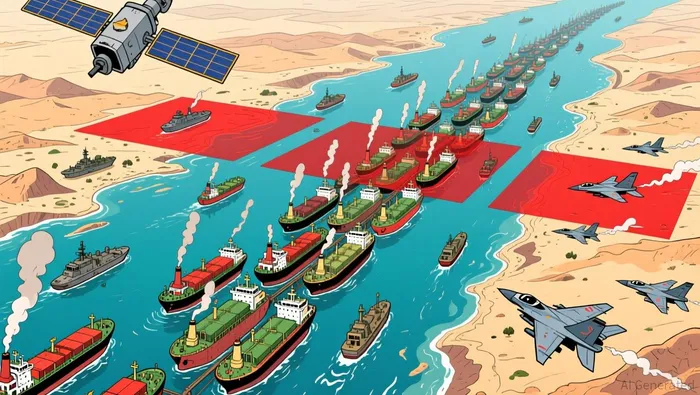
The conflict is not just a geopolitical issue—it’s a supply chain emergency. With oil exports from key producers like Saudi Arabia, the UAE, Iraq, and Kuwait suspended, global energy markets are facing a critical shortage. As of March 8, 2026, U.S. crude prices have posted their largest weekly gain in history, . This has pushed U.S. , marking some of the highest levels in years.
Why Is WTI Crude Oil Price Breaking $100 a Barrel for the First Time in Three Years?
The rapid spike in oil prices is primarily due to direct disruptions in production and shipping caused by the war. Iran has targeted key infrastructure and export routes in the region, including the Strait of Hormuz, forcing many oil producers to halt operations. The result is a sharp drop in available supply and a rise in uncertainty about when normal operations will resume.
Industry experts from firms like JPMorganJPM-- and Goldman SachsGS-- have raised forecasts, anticipating oil prices could climb even higher if shipping restrictions persist. For instance, Qatar declared on gas exports due to Iranian drone attacks, and Saudi Aramco's Ras Tanura terminal has been closed, with no indication of when it will reopen. These developments are creating a ripple effect across the global economy, with oil inventories in advanced nations declining rapidly.
What Does the Surge in Crude Oil Prices Mean for U.S. Construction and Infrastructure?
The construction and civil infrastructure sectors are particularly vulnerable to oil price shocks due to their heavy reliance on diesel and fuel. As oil prices climb, so do the costs of transportation, equipment operation, and material logistics. This has already begun to impact U.S. projects, especially those involving large-scale excavation, concrete mixing, and heavy machinery use. According to recent reports, the cost of diesel has hit multi-year highs, and the rising cost of aggregate and concrete transportation is likely to slow project timelines and increase overall costs.
For investors, this means watching not only the oil market but also construction and infrastructure-related stocks. Civil engineering firms and construction logistics companies are likely to face margin pressures as diesel and fuel prices climb. Investors should also monitor government stimulus packages and infrastructure spending, which could help mitigate some of the negative economic effects.
What to Watch for in the Coming Weeks
While the situation is highly fluid, a few key developments will shape the next phase of the oil market. First, whether the Strait of Hormuz opens again and how quickly production can resume in affected regions. Second, the response from global energy markets—will alternative routes be used, or will prices continue to climb due to supply constraints? Third, how U.S. President Donald Trump and other world leaders handle the crisis. The administration has not tapped the , and with midterms approaching, there could be political pressure to take action if prices continue to rise.
Investors should also keep an eye on central bank responses. If oil prices remain high for an extended period, there may be further inflationary pressures, which could lead to tighter monetary policy and higher interest rates. This could affect not just the energy sector but also broader markets, including equities and bonds.
At the end of the day, this crisis is a stark reminder of how global energy markets remain highly dependent on a few key regions. The Middle East, and specifically the Strait of Hormuz, remains a critical choke point for oil and gas. Until alternative routes and energy sources are more widely adopted, the world remains vulnerable to similar disruptions in the future.

Stay ahead of the market.
Get curated U.S. market news, insights and key dates delivered to your inbox.


AInvest
PRO
AInvest
PRO



Comments
No comments yet