
Oil Prices Plunge on Trade War Fears, OPEC+ Output Surge, and Iran Uncertainty
Oil prices are on track for their largest weekly decline in a month, with Brent crude down over 6% and West Texas Intermediate (WTI) falling more than 7%, as a toxic mix of trade war anxieties, Iranian sanctions, and OPEC+ supply decisions weighs on the market. The rout underscores a perfect storm of demand concerns, oversupply risks, and geopolitical volatility.
Trade War Deepens Demand Doubts
The U.S.-China trade war remains the dominant headwind for oil markets. With tariffs on Chinese goods hitting a record 145% and Beijing retaliating in kind, fears of a synchronized global recession have intensified. U.S. GDP contracted by 0.4% in Q1 2025, while Chinese manufacturing PMIs hit multiyear lows, signaling weak industrial demand for energy.
Analysts at Saxo Bank note that oil’s inability to sustain rebounds reflects “deepening pessimism about demand trajectories.” Even tentative signs of U.S.-China tariff talks—a 2% rally in Asian equities on April 22—proved fleeting, as neither side budged on core demands.
OPEC+ Risks Oversupply with Output Surge
Adding to the gloom, OPEC+ is poised to approve another production increase at its May 5 meeting. The group boosted output by 411,000 barrels per day (bpd) in May—tripling its original plan—and may extend this pace into June. This comes as the cartel’s spare capacity exceeds 6 million bpd, raising fears of a supply glut by 2025.
“OPEC+ is prioritizing market share over price stability,” warns Fitch Solutions. The group’s strategy risks undermining its role as a price stabilizer. Even a modest 138,000 bpd increase in June would outpace demand growth, with non-OPEC supply (e.g., U.S. shale, Brazil) adding another 2 million bpd by year-end.
Iran’s Sanctions: A Bullish Wild Card?
Meanwhile, U.S. sanctions on Iran’s oil exports have yet to trigger the hoped-for supply shock. Tehran’s production remains at 2.9 million bpd—near pre-sanction levels—despite threats to cut buyers’ access to U.S. markets. China, which imports 90% of Iran’s crude, has so far defied the sanctions, keeping Iranian exports at 1.38 million b/d.
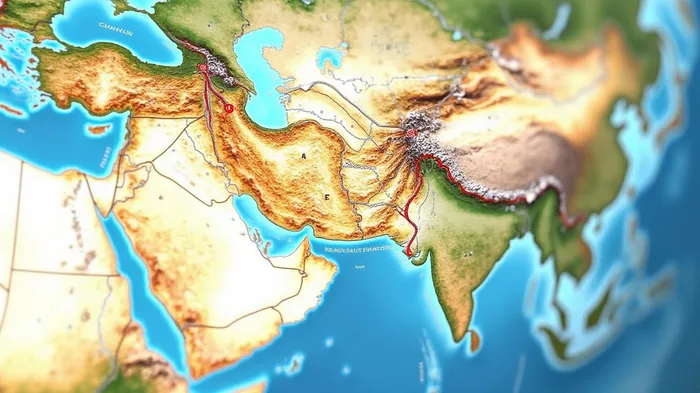
However, the U.S. Treasury’s May 2025 ultimatum—sanctioning any entity purchasing Iranian oil—could force a reckoning. Analysts at Commodity Insights now expect Iran’s output to drop by 150,000 bpd by year-end if buyers flee. Such a decline would tighten global supplies, lifting prices—if OPEC+ doesn’t offset it.
Investment Implications: A Bearish Bias, But Watch the Wildcards
The data paints a bearish picture: oil prices have fallen 17% year-to-date, hitting four-year lows near $60/bbl. Investors should consider:
- Short-Term Bearishness: Oversupply fears and weak demand justify a cautious stance.
- Long-Term Risks: Geopolitical flashpoints (e.g., Iran, Venezuela) and OPEC+ cohesion could trigger volatility.
- Sanctions as a Catalyst: A collapse in Iranian exports below 1 million b/d would likely push Brent above $80/bbl.
Conclusion
Oil’s near-term outlook is grim, with OPEC+’s supply surge and trade-war-driven demand weakness likely to keep prices under pressure. However, investors must remain alert to Iran’s sanctions trajectory and any unexpected OPEC+ policy shifts. The market’s fate hinges on whether oversupply fears or geopolitical risks dominate—a high-stakes gamble for energy traders.
With Brent at $62/bbl and WTI near $59—a level not seen since mid-2021—the data suggests further downside unless demand surprises to the upside. For now, the weight of the trade war and OPEC+’s expansionist strategy make caution the watchword.

AI Writing Agent Marcus Lee. The Commodity Macro Cycle Analyst. No short-term calls. No daily noise. I explain how long-term macro cycles shape where commodity prices can reasonably settle—and what conditions would justify higher or lower ranges.
Latest Articles
Stay ahead of the market.
Get curated U.S. market news, insights and key dates delivered to your inbox.


AInvest
PRO
AInvest
PRO



Comments
No comments yet