
Oil Prices Drop 4.7% After Iran's Limited Strike on US Bases
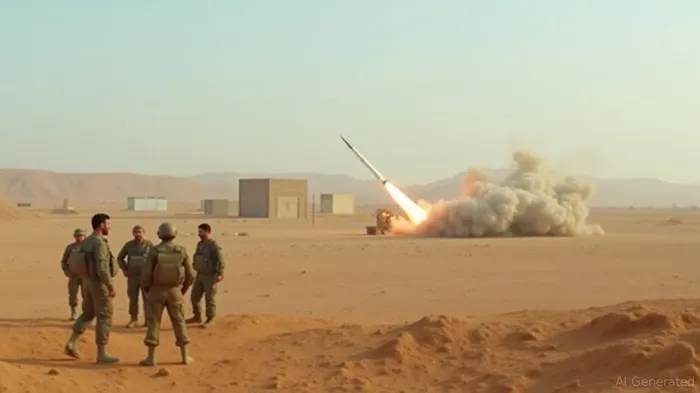
Oil prices experienced a significant decline following Iran's retaliatory missile strike on US military bases in Qatar. The attack, which came in response to a joint US-Israeli strike on Iranian nuclear facilities, initially sparked fears of a major disruption to global energy supplies. However, the limited nature of Iran's response, which avoided critical energy infrastructure, helped to ease market anxiety.
Brent crude and West Texas Intermediate (WTI) both saw sharp drops, falling 4.7% to trade below $73 and $70 per barrel, respectively. This decline came as a relief to investors who had been bracing for a more severe reaction from Tehran, particularly one that could have targeted the Strait of Hormuz, a vital shipping lane through which about 20% of global oil supply flows.
Earlier in the day, oil prices had already been under pressure due to a social media post from US President Donald Trump, who warned against rising oil prices and urged the Energy Department to increase domestic drilling. Energy Secretary Chris Wright confirmed that the department was taking action in response to Trump's directive.
Analysts noted that the latest retaliation did not appear to disrupt the flow of oil, a key concern for financial markets. Since the start of the Israel-Iran conflict, the biggest fear has been that it could tighten global oil supply, driving up prices for crude, petrol, and other refined products. Even before Trump’s comments, crude prices had begun to weaken as it became apparent that Iran’s retaliation would be more symbolic than damaging.
Investors are now reassessing the likelihood of a broader escalation that would impact energy supply chains. While Tehran had warned of “everlasting consequences” following the US-led strikes, the limited nature of Iran's response has offered some short-term relief for energy markets.
The market sentiment remains cautious, with analysts noting that the US still sees a “high risk” of additional Iranian strikes targeting US forces in the region. This could rekindle volatility in oil markets in the coming days. Markets will closely monitor whether Iran’s response marks the end of this round of hostilities or whether further retaliations could trigger a broader regional escalation, particularly involving key oil transit routes.
Until then, oil prices may remain volatile, but the absence of immediate damage to supply infrastructure offers some short-term relief for energy markets. The situation underscores the delicate balance between geopolitical tensions and their impact on global energy supplies, highlighting the need for continued vigilance and strategic planning in the energy sector.

Comprender rápidamente la historia y el origen de varias monedas bien conocidas
Latest Articles
Stay ahead of the market.
Get curated U.S. market news, insights and key dates delivered to your inbox.






Comments
No comments yet