
Oil Prices Climb as Geopolitical Tensions Escalate in 2026
 Aime Summary
Oil prices have climbed to a 6.5-month high due to rising U.S.-Iran tensions, with investors pricing in a risk premium for potential supply disruptions. , indicating growing bullish sentiment in anticipation of extended military campaigns. - Analysts remain divided, with some forecasting a $60–$65 average for Brent in 2026 while others caution against potential overaccumulation of inventory and weakening supply-demand fundamentals. - Physical market indicators, such as OECD inventories and freight costs, suggest no immediate surplus, reinforcing the idea that the market is still constrained. - The U.S. military buildup in the Middle East is the largest since the 2003 invasion of Iraq, and any escalation could lead to rapid tightening in the oil market.
Oil prices have surged as U.S.-Iran tensions continue to escalate, drawing attention from both institutional investors and market analysts. , signaling a shift in risk perception for a market already sensitive to geopolitical volatility. This comes amid ongoing U.S.-Iran talks and heightened fears of a potential military strike that could disrupt oil flows from the region. Analysts are now recalibrating their forecasts, with some raising their average price expectations for 2026 while others warn that underlying fundamentals could still bring volatility.
Why Are Oil Prices Rising Despite Oversupply Concerns in 2026?
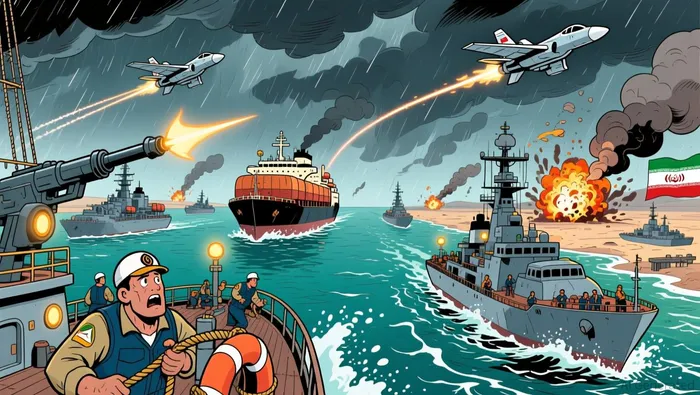
Despite concerns of an oil surplus in 2026, prices have remained resilient due to a combination of geopolitical risk premiums, constrained production, and resilient global demand. Analysts at J.P. , citing soft supply-demand fundamentals and the possibility of production cuts to prevent inventory overaccumulation. Meanwhile, Goldman Sachs has raised its forecasts, . These adjustments reflect uncertainty in the market, as geopolitical risks—particularly in the Middle East—continue to overshadow more bearish supply-side forecasts.
However, the physical market tells a different story. OECD inventories have not surged, and there are no signs of the deep contango or tankers idling that typically indicate a surplus. The market is also grappling with high freight costs and logistical bottlenecks, which limit the ability of excess barrels to flood the market. Geopolitical risks, particularly concerning the Strait of Hormuz, are driving precautionary bookings and increasing the cost of delivery. For investors, this means that the market remains fragile and highly sensitive to geopolitical shifts, even if fundamental forecasts point to a surplus.
What Does the Recent Jump in Hedge Fund Positions Mean for Oil Price Volatility in 2026?
, signaling growing bullish sentiment. According to data from , this shift reflects growing concerns that U.S. military action in the Middle East could be imminent and could disrupt oil supplies. This is a significant development because hedge funds are often seen as market trendsetters, and a move toward a net-long stance often precedes price increases.
The increased bets suggest that traders are factoring in a risk premium for extended military campaigns rather than short-term strikes. This aligns with broader market sentiment, as investors appear to be bracing for a prolonged period of geopolitical uncertainty. The U.S. , and any escalation could lead to rapid tightening in the oil market. For investors, this means that volatility is likely to remain elevated in the short term, with prices responding more to geopolitical triggers than to fundamental supply and demand imbalances.
What Should Investors Watch for as Geopolitical Tensions Influence Oil Prices in 2026?
As tensions in the Middle East continue to influence oil prices, investors should closely monitor several key indicators. First, the outcome of U.S.-Iran talks will be crucial in determining whether the risk premium in oil prices stabilizes or continues to rise. A diplomatic resolution could ease market fears and reduce the geopolitical risk premium that is currently priced into crude. However, any breakdown in talks or a shift toward military action would likely trigger a sharp price increase.
Second, OPEC+ policy decisions will play a critical role in shaping the oil market. The organization has paused production increases for Q1 2026 due to a global surplus, but there are indications that it may consider raising output in April to meet summer demand and counteract tensions between the U.S. and Iran. Investors should pay attention to any hints of policy shifts, as these could signal a change in market dynamics.
Finally, the behavior of non-OPEC producers, particularly the U.S., will be a key determinant of supply-side developments. U.S. crude production remains near record highs, and any shifts in production or export strategies could have a material impact on global oil prices. Given the current fragility of the market, even small changes in production or geopolitical events could lead to rapid tightening or loosening of the supply-demand balance.
For investors, the key takeaway is that the oil market in 2026 remains highly sensitive to both geopolitical and fundamental factors. While forecasts vary, the consensus is that prices will continue to be influenced by the risk of supply disruptions and the uncertainty surrounding global economic demand. As such, investors should remain cautious and prepared for volatility.

Stay ahead of the market.
Get curated U.S. market news, insights and key dates delivered to your inbox.


AInvest
PRO
AInvest
PRO



Comments
No comments yet